Is BBQ Sauce Vegan? A Complete Guide with Brand Checks & Homemade Tips
Is BBQ sauce vegan? Most BBQ sauces are vegan since they typically contain plant-based ingredients like tomatoes, vinegar, and spices. However, some brands add non-vegan items such as honey, anchovies, or Worcestershire sauce, so checking labels is key. Starting with a trusted vegan-friendly brand or making your own sauce lets you enjoy BBQ without worry.
Key Takeaways
- Check ingredient lists for honey, anchovies, or dairy to avoid hidden animal products in BBQ sauce.
- Heinz Original BBQ Sauce is a reliable vegan option as it contains no animal-derived ingredients.
- Many major brands like Bull’s-Eye and Kraft offer some vegan BBQ sauce flavors, verify each separately.
- Homemade vegan BBQ sauce is quick to make in one pot and can be kept refrigerated for up to two weeks.
- Look for organic vegan options like 365 by Whole Foods Market’s Memphis Madness for clean, plant-based ingredients.
- Use natural sweeteners like maple syrup or agave instead of honey to keep homemade BBQ sauce vegan.
Is BBQ Sauce Typically Vegan and Why It Depends
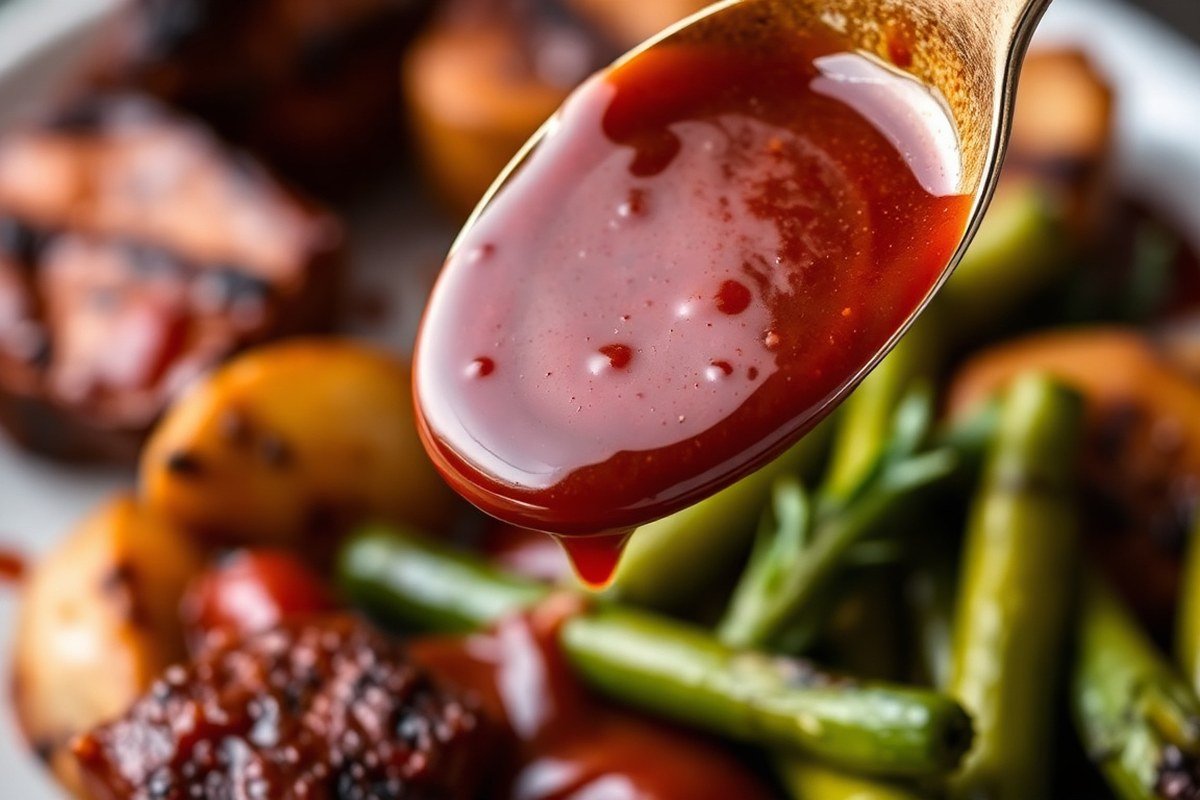
BBQ sauce is generally vegan-friendly since most brands rely on basic plant-based ingredients like vinegar, tomato paste, sugar, and spices such as mustard or black pepper. However, whether a particular BBQ sauce is vegan depends heavily on the specific ingredients used by each brand. Common non-vegan additions include honey, which is often used as a sweetener, and Worcestershire sauce, which contains anchovies. These animal-derived ingredients make the sauce unsuitable for vegans.
The vegan status of BBQ sauce varies because brands use different formulations. Some incorporate hidden non-vegan ingredients like natural flavors or sugar processed with bone char, which can be concerning for strict vegans. Others explicitly label certain varieties as vegan, such as Heinz’s Original BBQ sauce, which avoids animal products. Still, Heinz’s other flavors may not be vegan due to added ingredients. This inconsistency means you have to check the label or ingredient list carefully to determine if a sauce fits your vegan standards.
Making your own BBQ sauce gives you control over every ingredient you include. This lets you exclude unwanted components and tailor the taste and nutrition to your preferences. A simple vegan BBQ sauce recipe involves mixing ketchup, apple cider vinegar, soy sauce, tomato paste, Dijon mustard, maple syrup, light brown sugar, and liquid smoke. Preparing it yourself also reduces the amount of sodium and artificial additives found in most commercial sauces, costs just a few dollars, and takes around 10 to 15 minutes.
Choosing vegan BBQ sauce requires attention to ingredient lists and brand information. Brands differ significantly, so sticking to known vegan-friendly options or homemade sauces ensures your BBQ sauce aligns with a vegan lifestyle.
Common Non-Vegan Ingredients Hidden in BBQ Sauces
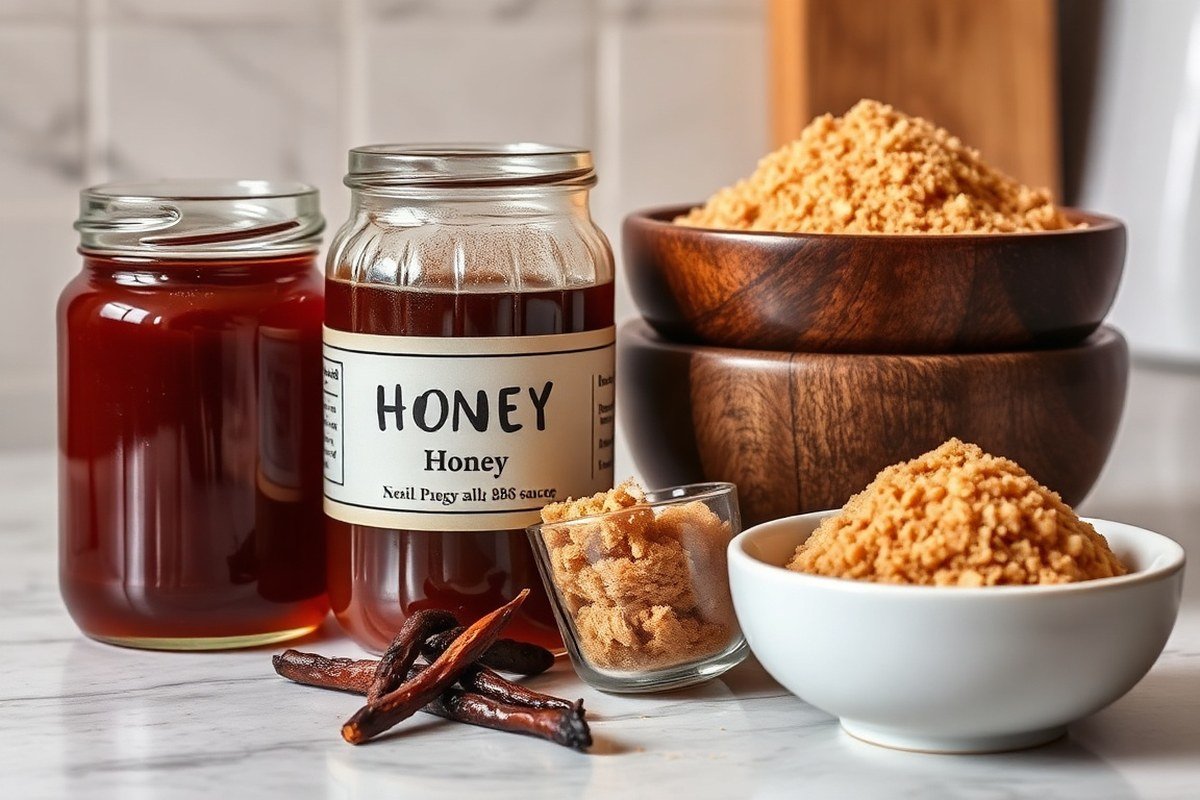
Non-vegan ingredients commonly found in BBQ sauces include honey, anchovies, processed sugar, and natural flavors. Honey is an animal-derived product made by bees, so it is not vegan. Some BBQ sauces use honey as a sweetener or glaze, especially in regional varieties or flavors with a sweeter profile. Anchovies appear most often in Worcestershire sauce, which is sometimes added to BBQ sauces for depth. Since anchovies are small fish, any sauce containing Worcestershire sauce is generally not vegan unless the label specifies a vegan alternative.
Processed sugar can pose a concern for vegans because some cane sugar is refined using bone char. This process isn’t indicated on labels, so if you want to avoid bone char, choose organic, beet sugar, or brands confirming vegan-friendly sugar. The impact on taste or price is minimal, but it matters for strict vegan standards.
Natural flavors often cause confusion because they can come from plant or animal sources. This term on labels doesn’t guarantee vegan status, as natural flavors might contain dairy, meat, or seafood derivatives. To confirm, contact the manufacturer or look for products explicitly marked as vegan. If unsure, avoiding sauces listing “natural flavors” without clarification is a safe choice.
To decide if a BBQ sauce is vegan, use this checklist: check the ingredient list for honey, anchovies, Worcestershire sauce, or natural flavors; verify the source of sugar if listed; and seek vegan certification or contact the brand directly. Knowing these details helps you pick sauces that suit your diet without compromising flavor. Homemade BBQ sauces also allow full control over these ingredients, removing guesswork and ensuring vegan compliance.
Which Popular BBQ Sauce Brands Are Vegan-Friendly?
| Brand | Flavor | Vegan Status | Notes |
|---|---|---|---|
| Heinz | Original Sweet & Thick | Vegan | Plant-based ingredients; no animal derivatives |
| Heinz | Carolina Mustard Style | Vegan | |
| Heinz | Carolina Vinegar Style Sweet & Tangy | Vegan | |
| Heinz | Hawaii Style Sweet & Fruity | Vegan | |
| Heinz | Kentucky Bourbon Style Rich & Savory | Vegan | |
| Heinz | Kansas City Style Sweet & Smoky | Not Vegan | Contains anchovies |
| Heinz | Memphis Style Sweet & Spicy | Not Vegan | Contains anchovies |
| Heinz | Texas Style Bold & Spicy | Not Vegan | Contains anchovies |
| Sweet Baby Ray’s | Original | Vegan | Natural flavors likely plant-based, no animal ingredients listed |
| Stubb’s | Most Flavors | Vegan | Considered vegan based on ingredients |
| Bull’s-Eye | Original | Vegan | Most flavors like original are vegan |
| Kraft | Original | Vegan | Basic flavor does not contain animal products |
Several popular BBQ sauce brands offer vegan-friendly options; key to identifying them is checking the ingredient list for hidden animal products like anchovies. For example, Heinz’s Original Sweet & Thick BBQ Sauce and several other Heinz flavors are fully vegan, while flavors like Kansas City Style contain anchovies and should be avoided. Sweet Baby Ray’s Original is widely recognized as vegan, although natural flavors can sometimes be ambiguous since they aren’t broken down on the label. Brands like Stubb’s and Bull’s-Eye also have mostly vegan offerings, including their originals.
Without a vegan certification, the best way to confirm if a specific BBQ sauce flavor is vegan is to carefully read the ingredient list yourself. Look for obvious non-vegan ingredients such as honey, anchovies, or dairy-derived compounds. When natural flavors are listed without detail, you might contact the manufacturer for clarification or rely on well-documented reports from vegan communities. Avoid brands or flavors with known animal-based ingredients.
In general, sticking to the original or basic flavors from these major brands reduces the risk of consuming non-vegan ingredients. While specialty or regional flavors can vary, many widely available BBQ sauces provide reliable vegan options for your cooking and grilling needs.
How to Make and Store Your Own Vegan BBQ Sauce Easily
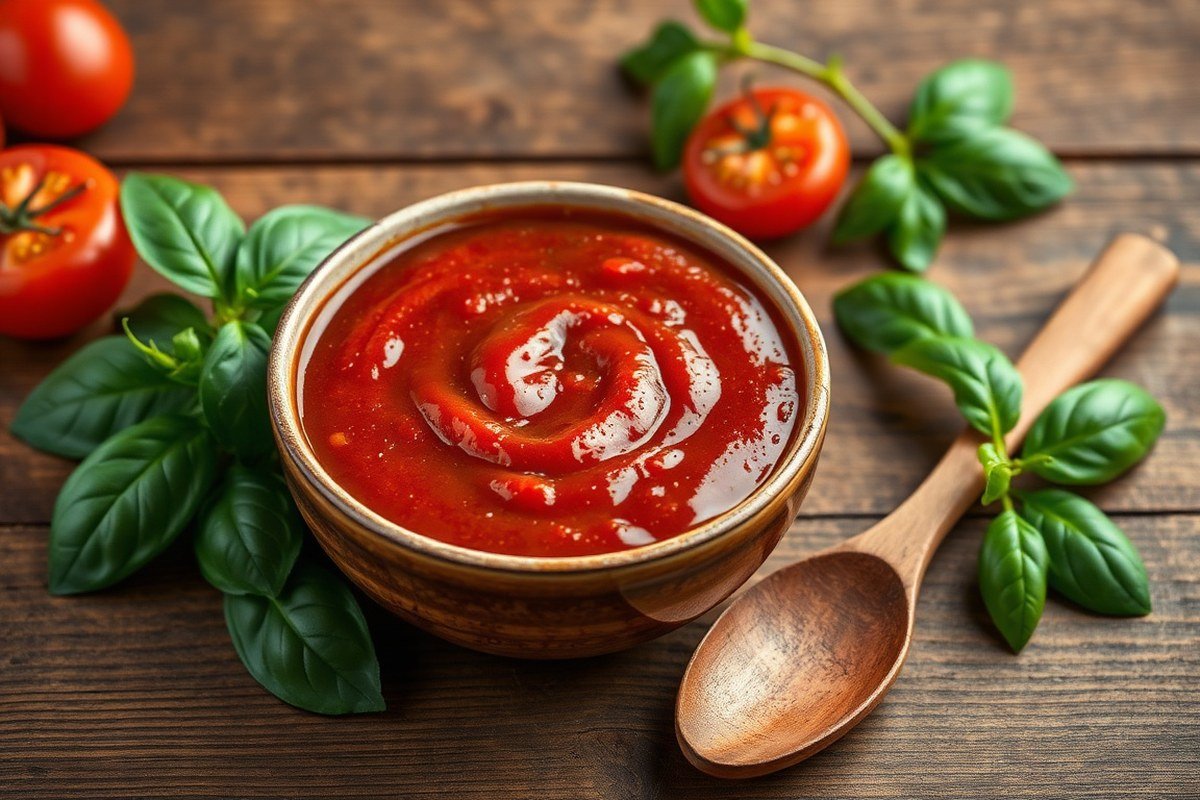
Making your own vegan BBQ sauce gives you full control over the ingredients and ensures it fits your diet. Start with a base of tomato sauce or ketchup, about 1 cup. Add 1/4 cup apple cider vinegar for tang, 2 tablespoons maple syrup or brown sugar as vegan sweeteners, and 1 tablespoon soy sauce for umami. Mix in 1 teaspoon smoked paprika, 1/2 teaspoon garlic powder, 1/2 teaspoon onion powder, and a pinch of black pepper for flavor. Customize with a dash of hot sauce or mustard if desired.
Preparation is straightforward. Combine all ingredients in a saucepan and simmer gently for 15 to 20 minutes, stirring occasionally. This process blends flavors and thickens the sauce naturally without relying on additives. Let it cool before storing. Using maple syrup or brown sugar as sweeteners is important; honey is not vegan and should be avoided.
Store your vegan BBQ sauce in a clean, airtight container in the refrigerator. It typically keeps well for up to 2 weeks. If you want to extend its shelf life, freeze portions in ice cube trays and transfer cubes to a freezer bag, which keeps the sauce good for up to 3 months. Always label your storage container with the date to track freshness.
This simple recipe costs just a few dollars to prepare at home and avoids common non-vegan additives like high fructose corn syrup, honey, or eggs found in many commercial BBQ sauces. Adjust the tanginess, sweetness, and spice levels to your taste. Making your own sauce also helps you avoid preservatives and control sugar content, key for a diet-conscious lifestyle.
Tips for Choosing and Verifying Vegan BBQ Sauce at the Store
Check the ingredient list on BBQ sauce labels carefully to spot any animal products. Ingredients like honey, whey, anchovies, or dairy derivatives mean the sauce isn’t vegan. Some sugars might be processed with bone char, so if you want to avoid that, look for products labeled as using organic or unrefined sugar. A practical way to decide is to create a personal checklist: avoid honey, dairy, anchovies, and steer clear of sugar unless its source is confirmed vegan.
Choosing BBQ sauce with a Vegan certification makes shopping easier and safer. Certification ensures no hidden animal byproducts in production, not just the label’s ingredient list. If a certified vegan option isn’t available, rely on your ingredient checklist and compare products across brands to find the safest choice.
When vegan certification is missing, identify vegan BBQ sauce by scanning for common animal-derived ingredients. Look closely for less obvious items like Worcestershire sauce (which often contains anchovies) or natural flavors that might not be fully disclosed. Use apps or websites dedicated to vegan product information if you want extra assurance beyond label reading.
Regional differences affect what you might find in stores. Some areas may have limited vegan BBQ sauce choices, especially if vegan-specific brands are uncommon. In such cases, buy the most transparent products with simple, plant-based ingredients, or consider making your own sauce at home to control what goes in. Look out for sauces marketed as gluten-free or organic, which are sometimes more likely to be vegan-friendly.
These shopping strategies take a bit more time but help you avoid unexpectedly encountering animal products. Prioritizing certifications, reading labels word-for-word, and using a checklist with known red-flag ingredients helps you pick BBQ sauce suited to your vegan lifestyle without risk.
Your Simple Plan to Enjoy Vegan BBQ Sauce Today
Start enjoying vegan BBQ sauce by following these straightforward steps. This plan will help you identify safe options or prepare your own delicious sauce quickly.
- Before your next grocery trip: Check ingredient lists for hidden animal products like honey or anchovies to avoid non-vegan sauces.
- During shopping: Look for trusted vegan certification logos or brands known for vegan-friendly sauces for easy selection.
- Immediately after purchase: Taste test a small amount to confirm the flavor meets your preference without compromising your vegan values.
- Within the first week: Try making your own vegan BBQ sauce using simple pantry ingredients like tomato paste, vinegar, and maple syrup to personalize flavor and control ingredients.
- After experimenting: Store homemade sauce in the fridge for up to two weeks and note its texture and taste over time to ensure quality.
- Monthly: Review new vegan BBQ sauce brands or recipes to keep your options fresh and exciting.
Frequently Asked Questions
Can BBQ Sauce Contain Hidden Animal Products Like Fish Sauce?
Yes, some BBQ sauces include fish sauce or anchovies, which aren’t vegan. It’s best to check the ingredient list carefully or choose brands that clearly label their products as vegan-friendly.
Are All Sugar Brands Used in BBQ Sauce Vegan?
Not all sugar is vegan, as some are processed with bone char. Look for organic or explicitly vegan-certified sugar in BBQ sauces.
Does BBQ Sauce Ever Contain Dairy or Eggs?
Certain BBQ sauces might use dairy or eggs, especially as thickeners or in creamy varieties. Always review the label to confirm.
Can Cross-Contamination with Animal Products Happen in BBQ Sauce Production?
Cross-contamination can occur in shared facilities, posing a risk for strict vegans. Choose products with dedicated vegan certification for assurance.
Does Molasses in BBQ Sauce Come from Animal Sources?
Molasses is a byproduct of sugar production and is vegan. It’s safe for vegans even though it’s often a sweetener in BBQ sauces.
Final Thoughts
Vegan BBQ sauce can definitely be enjoyed without compromising your diet as long as you watch for hidden non-vegan ingredients or opt to make your own. Start by checking labels carefully during your next purchase or mix a batch of homemade sauce to fit your taste perfectly. Choosing or preparing the right vegan BBQ sauce lets you enjoy all the smoky, sweet flavors responsibly and deliciously.