What to Bring to a BBQ: A Complete Guide for Perfect Contributions
Deciding what to bring to a BBQ boils down to balancing tasty, easy-to-transport foods with drinks and extras that fit the occasion. Choose dishes that travel well, keep fresh, and complement the host’s offerings. Start by confirming any dietary preferences or needs with the host to avoid duplicates and ensure your contribution shines.
Key Takeaways
- Bring cold dishes like pasta or black bean salad that can safely sit out for around two hours.
- Use a food thermometer to keep hot foods above 140°F and cold foods below 39°F for safety.
- Grill vegetables or corn directly on the grill for 10-12 minutes for quick, tasty sides.
- Arrive 10 to 15 minutes after the start time to avoid interrupting host preparations.
- Preheat the grill to medium-high heat (375-400°F) to speed up cooking and add aroma.
- Bring no-cook dishes like watermelon and cucumber salad with lime and mint for a fresh option.
What Are the Best Foods and Drinks to Bring to a BBQ?
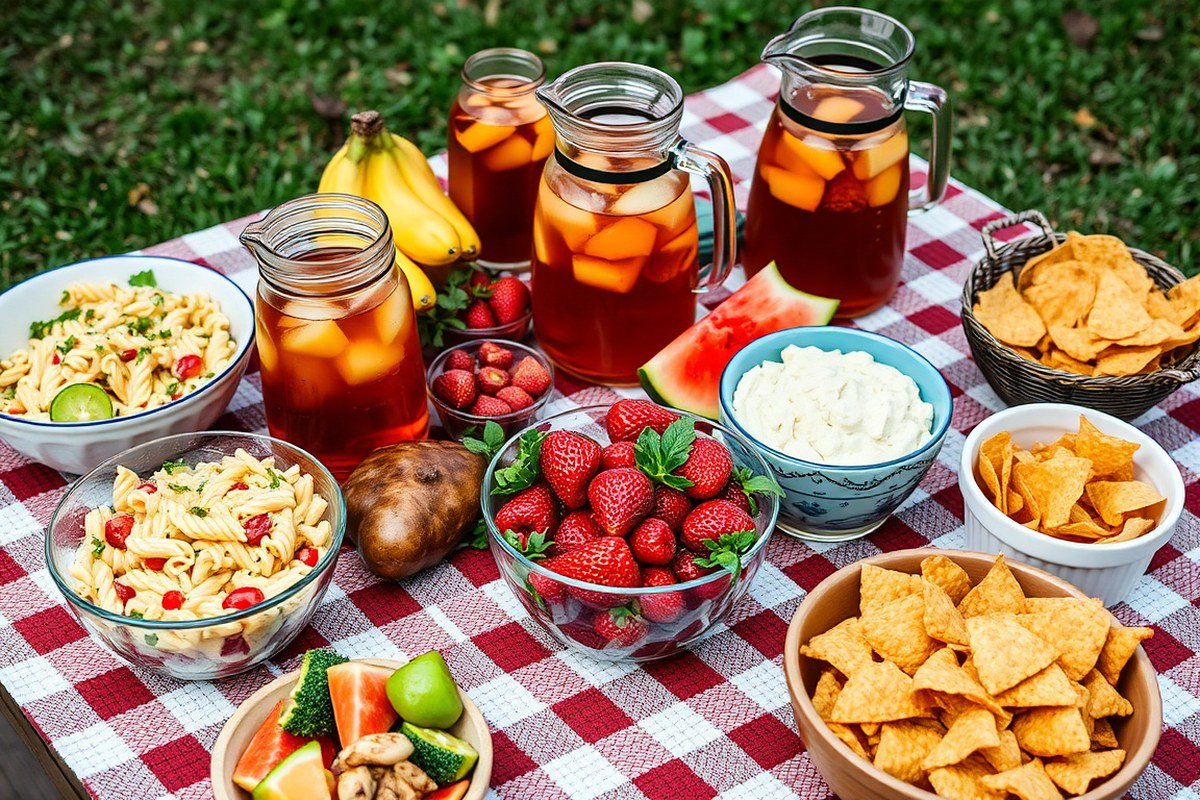
Popular and appropriate foods to bring to a BBQ include crowd-pleasing sides and snacks that complement grilled meats without duplicating the main menu. Items like pasta salad offer a vibrant, fresh option and can be prepped in about 20 minutes. Baked beans or corn on the cob add a warm, classic touch and fit well alongside grilled veggies or other barbecue staples. Store-bought dips and appetizer platters work well for snacking while food cooks and require no prep time, making them convenient and shareable. Premade cornbread is another classic side that often comes ready to serve with minimal effort. Bringing food that serves about 6 to 8 people balances generosity without overwhelming the host’s table.
As for drinks, Iced tea and other summery beverages are ideal since they suit outdoor, warm-weather events and hydrate guests without adding alcohol-related pressure. Soft drinks or flavored waters can fill gaps in the drink selection and are easy to buy or prepare within 10 minutes. It helps to coordinate with your host to ensure the drink options complement what they already provide. Store-bought beverages are entirely acceptable, especially when paired with your own serving containers or chilled in a cooler.
Homemade dishes show effort but are not mandatory. High-quality store-bought items are perfectly fine and often make things easier for you and the host. Transferring premade dishes to your own serving bowls can make a simple store purchase feel more personal and thoughtful. Always pack foods with a thermometer in hand to keep cold items below 4°C and hot dishes over 60°C for safety. Bringing shareable foods, drinks, or disposable napkins adds value and eases the host’s workload. Avoid bringing meat unless requested, save room for complementary sides and crowd-pleasers that fit a range of tastes and dietary needs.
How Much Food Should I Bring to a BBQ to Feed a Group?
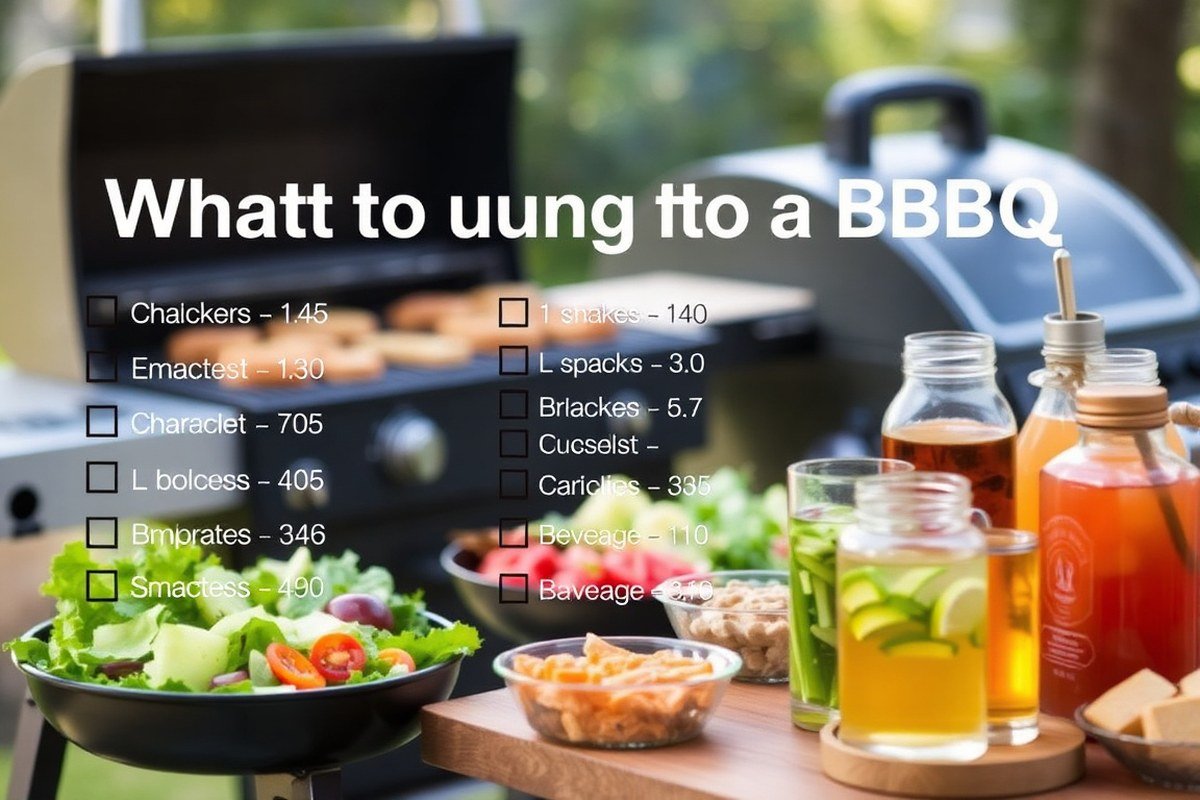
Estimate about 6 to 8 ounces of food per person for a main dish, while sides usually require 4 to 6 ounces each. This helps you bring enough without having lots left over. For snacks, plan about 1 to 2 ounces per guest, depending on whether they’ll have more substantial food too. Drinks should be counted at about two servings per person for a two-hour gathering, increasing if it’s hotter outdoors or lasts longer.
Portion sizes vary by dish type. Heavier items like grilled meats call for smaller portions because they’re more filling, while sides like salads or chips can be brought in slightly larger quantities. For example, bring 1/2 cup of potato salad per person but only 3 to 4 ounces of meat. Desserts and snacks like cookies or fruit typically work well with about two pieces per guest. Don’t forget to bring extra ice and cups to keep drinks cold and ready.
Try this simple checklist method to calculate your food contribution: multiply the number of guests by your chosen portion size, adjust for the type of dish and length of the event, then add a 10 to 15 percent buffer for generous portions or unexpected guests. For example, if you’re serving a pasta salad to 12 guests, calculate 12 guests × 5 ounces = 60 ounces, round up slightly to 4 pounds to cover a bit extra. If you also bring drinks, plan for 24 servings total, roughly 3 six-packs or equivalent bottles, plus ice and cups.
Bringing the right amount keeps the food fresh and presentations tidy while showing respect for the host’s setup. Over-bringing can crowd the limited space for chilling and serving food outdoors, and under-bringing leaves the event scramble for enough to eat. The key is balancing enough without waste by knowing your dish, expected crowd size, and drink preferences.
When Should You Bring Meat or Avoid It at a BBQ?
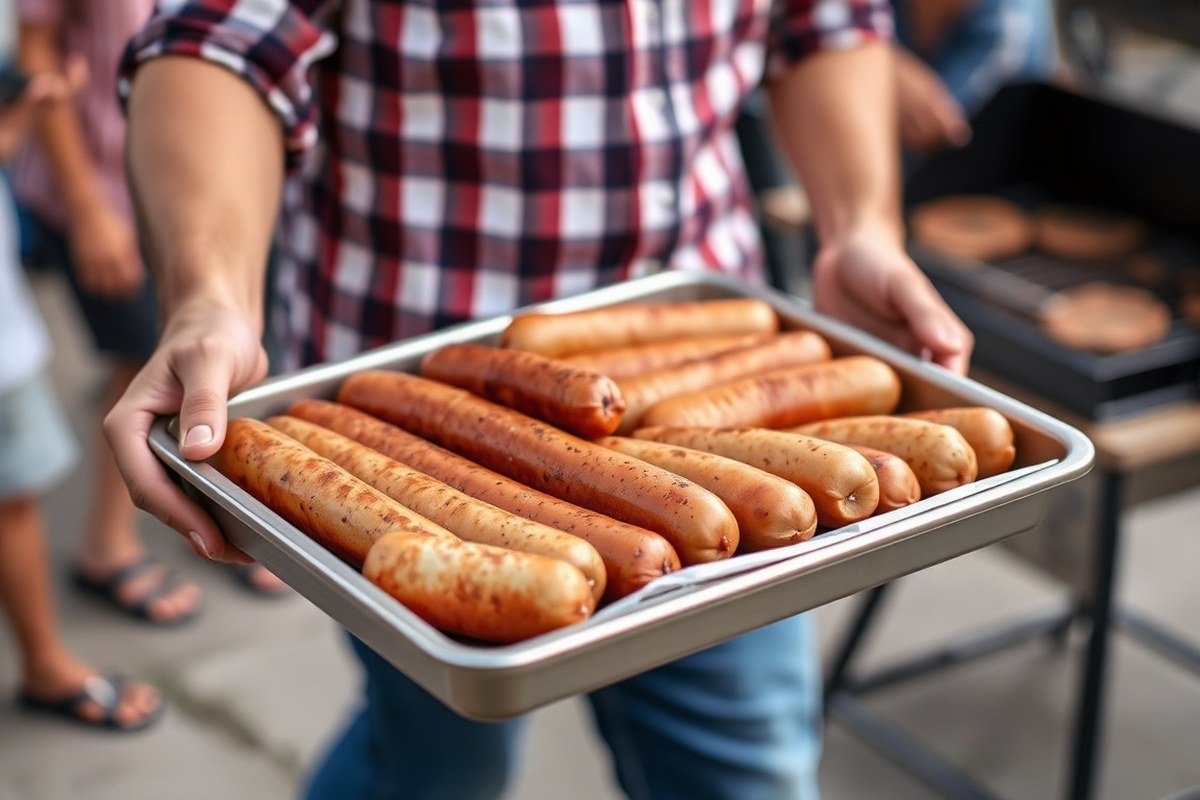
Bringing meat to a BBQ can be polite and appreciated, but it depends mainly on the host’s plans. Always check with the host before deciding, as they often take pride in their own grill work. Hosts smoking a brisket or preparing special meats usually prefer guests to avoid bringing competing meat dishes. Bringing your own meat could unintentionally upstage their effort or create food duplication issues. The best approach is to ask them directly about food contributions, such as by saying, “I’m happy to bring something meat-related; do you need any sausages or burgers for the grill?” This shows respect and helps coordinate meals.
With the host’s permission, choose simple, popular meat options that complement rather than compete with the main dishes. Plain sausages, sliders, or store-bought skewers work well. They cook fast, around 4 to 5 minutes per side, and can go on the grill alongside the host’s food. Pre-made skewers cut down your prep time and let the host easily grill them for 10 to 15 minutes, fitting smoothly into the BBQ flow. Skip complex or heavily flavored meats that may clash with the menu or take longer to cook.
For potluck-style BBQs where guests coordinate their contributions, bringing simple, status-neutral meats can complement the meal without causing confusion or duplication. Without prior coordination, bringing non-meat sides, desserts, beverages, or useful items like extra ice is a safer choice. Hosts often appreciate these practical contributions, especially during warm summer BBQs. Respect the host’s role by offering to bring a small token of appreciation or an item beyond food if the menu is already set, ensuring your contribution supports the event smoothly.
What Are Easy, No-Cook Dishes Perfect for Bringing?
No-cook dishes that work well for BBQs include fresh vegetable trays, fruit platters, simple dips, and salads. These options save you time by requiring minimal preparation and are easy to transport while staying fresh. To prepare a vegetable tray, wash and chop colorful veggies like bell peppers, cucumbers, cherry tomatoes, and baby carrots. Arrange them neatly on a platter and pair with store-bought or homemade dips, such as hummus or ranch. This provides a crunchy, healthy snack for guests that complements grilled mains.
For a Simple dip like guacamole or salsa, mash ripe avocados or dice fresh tomatoes, onions, and cilantro. Mix ingredients with lime juice, salt, and pepper, then store in an airtight container. These dips can be made a day ahead and refrigerated to develop flavor while staying safe. When ready to serve, bring along chips or sliced bread for easy dipping. This adds variety without needing heating or extra kitchen time.
Salads that don’t require cooking, such as pasta salad or bruschetta, are crowd-pleasers. For pasta salad, boil pasta in advance, cool it, and toss with veggies, olive oil, and vinegar or dressing. Keep it cold in a cooler until serving. Bruschetta can be made by combining diced tomatoes, fresh basil, garlic, olive oil, and a dash of salt. Serve it on toasted baguette slices brought separately to keep crispness. Both salads hold up well during transport and add a fresh, tasty option beside meat dishes.
Fresh fruit platters also travel well and offer a light, refreshing balance to heavier BBQ foods. Choose seasonal fruits like watermelon, pineapple, berries, and grapes for a mix of sweet and juicy flavors. Prepare by cutting into bite-sized pieces and arranging on a tray or disposable container. Store in a cooler and cover with plastic wrap to keep fresh until serving time.
Bringing these no-cook dishes means less stress about food safety and temperature control. Keep perishable items chilled around 40°F or below during transport using insulated coolers with ice packs. This prevents spoilage over a few hours, especially when serving outdoors in warm weather. Well-chilled, colorful dishes like these ensure your contribution is satisfying, appealing, and easy for guests to enjoy without slowing down the BBQ flow.
How Do You Keep Food Safe and Fresh When Bringing It Outdoors?
Keeping food safe and fresh at a BBQ requires careful attention to temperature and handling from start to finish. Cold foods should be kept at or below 40°F to prevent bacteria growth, while hot foods need to stay above 140°F to avoid spoilage. To maintain these temperatures, pack hot and cold items separately in insulated containers or coolers. Use plenty of ice or ice packs for cold dishes, placing them on a bed of ice when possible. For hot foods, thermal containers or insulated bags can retain heat during transportation.
Before leaving home, pack each dish in an airtight container with a secure lid to keep out bugs and maintain freshness. Consider bringing serving utensils with your dish to avoid cross-contamination and ease serving. If the event lasts several hours or is on a hot day, bring extra ice and cooler space to replenish chilled items. For hot foods, a slow cooker set on “warm” at the site can help keep temperatures safe.
Leftovers must be handled carefully to avoid food poisoning. Bring along empty containers for leftovers, and refrigerate or chill them within two hours of serving. Cooler space with ice is essential here, especially on warm days. Avoid leaving perishable foods out in the sun or at room temperature for more than two hours, or one hour if it’s above 90°F outside. Using a thermometer to check food temperatures during the event helps ensure safety.
Following a Food safety checklist, including insulated carriers, ample ice, secure containers, serving utensils, and a food thermometer, makes transporting and storing BBQ food safer and easier. Though this preparation may add some cost for containers or ice, it prevents spoilage and foodborne illness, protecting your contribution and everyone enjoying the meal. Balanced planning based on event length, weather, and food types keeps food fresh and safe throughout the BBQ.
What Non-Food Items and Extras Should You Bring to a BBQ?
Bringing Extra ice to a BBQ can really help, especially with bigger groups. Hosts often run out of ice or lack freezer space, so a 20-pound bag of clean ice is a useful item to bring. Store the ice in a separate cooler with a secure lid to slow down melting, and try to get there on time to assist with setup for distributing the ice correctly.
Plates, utensils, and napkins are another useful thing to bring. Many hosts find it challenging to gather enough matching serving ware once the food prep starts. Bringing disposable or reusable plates, a full set of cutlery, and plenty of napkins means you lighten their load. It’s a good idea to also include extra serving utensils like tongs or spoons, especially if you’re bringing a dish that needs to be shared.
Small tools and extras add value too. Consider bringing a bottle opener or corkscrew, individual condiments like ketchup, mustard, or slider buns, and even serving platters if your dish needs special presentation. Offering to take charge of the grill or assist with serving works well as a useful way to help out without bringing food or extra things. Portable chairs or outdoor games are also welcome if the host has limited seating or wants to boost the fun.
For condiments and food presentation supplies, bring them separately and in containers that are easy to handle. Avoid items that require special fridge storage or are sensitive to heat, such as ice cream, which melts quickly outdoors. It’s best to communicate with the host about what non-food items they need to avoid duplicates or unnecessary packing. Offering thoughtful extras like these helps the BBQ run smoothly and shows consideration for the host’s efforts.
What Foods or Items Should You Avoid Bringing to a BBQ?
Foods that spoil quickly in heat should be avoided to prevent foodborne illness and wasted effort. Items like seafood salads, cream-based dips, mayonnaise-heavy salads, and soft cheeses can become unsafe or unappetizing if left unrefrigerated above 40°F for more than two hours. Bringing foods that need constant cooling means you’ll have to carry and maintain coolers with ice packs, which may be impractical for many BBQs.
Complicated dishes that require extensive preparation, reheating, or special utensils can be a burden at a casual BBQ. Elaborate casseroles or multi-step desserts might not travel well or fit the relaxed vibe, especially if they don’t fit easily on the buffet table or need constant attention. Simplify your contribution by making something that can be served at room temperature and needs minimal garnishing or setup.
Items likely to duplicate the host’s menu often go to waste and may seem untimely or presumptuous. Hosts usually plan for classic sauces like ketchup or BBQ sauce, as well as plain salsa or hummus. Bringing the same condiments or staple side dishes can crowd space and reduce variety. Instead, choose something unique or coordinate ahead so your dish offers a fresh option. Avoid staple sides like potato or macaroni salad if you know the host will supply them.
Foods that might clash with allergic guests need careful consideration. Avoid nuts, shellfish, or overly spicy items when you’re uncertain about attendees’ allergies. Even small exposures can cause serious reactions, so steer clear unless you have clear information and can guarantee cross-contamination avoidance. Bringing clearly labeled ingredients and simple dishes helps protect everyone’s health.
Managing these factors means checking with the host before deciding what to bring. Plan your dish based on the setting, available refrigeration, and known guest preferences. This approach keeps your contribution welcome, safe, and enjoyable without adding stress to the host or risking food waste. Choose something stable, complementary, and considerate for the best results.
How Can You Coordinate Your Contribution with the BBQ Host?
Coordinating your contribution with the BBQ host helps avoid duplicate dishes and ensures your item fits the plan. Begin by reaching out early, ideally a few days before the event, with a friendly message that shows appreciation for the invitation. You can say, “Thanks for inviting me to your BBQ! I’d love to bring something. Is there anything specific you need or would like me to bring?” This approach signals your willingness to help without imposing.
To offer options, include a couple of ideas to make it easier for the host. For example, “I can bring a side dish like potato salad or chips and salsa. Do either sound good, or is there something else you’d prefer?” This gives the host room to say yes or make requests, helping them plan for balanced food and grill space.
Avoid asking last minute to prevent pressures on the host’s preparation. Clear communication lets them plan necessary space on the grill or fridge. It also shows respect for their effort setting up the backyard, grill, and entertainment. Even if the host says they have it covered, it’s polite to bring a small gift like a bottle of beverage or a baked good to say thanks.
At a large event, double-check to prevent duplicates by asking if other guests are bringing similar items. Polite phrasing includes “I want to make sure my dish complements what others are bringing. Do you know if someone else is bringing salads?” Bringing your own serving utensils can also help avoid contamination and save the host from scrambling for extras.
Following these simple steps costs little time but leads to a smoother BBQ experience. The host manages fewer surprises, guests get a variety of dishes, and everyone enjoys the party without last-minute stress.
Which Desserts and Snacks Travel Well for an Outdoor BBQ?
Desserts that travel well to an outdoor BBQ are those that resist melting and hold fresh in warm weather. Think of options like fruit platters, which stay fresh as long as you keep them shaded from direct sun. Store-bought cookies, brownies, or simple pound cakes are also excellent because they won’t spoil quickly and require no refrigeration. Choose treats made without chocolate or cream fillings to avoid melting. Desserts such as rice crispy treats or granola bars provide sweetness without fuss. Most of these can be prepared one to two days in advance, stored in airtight containers, and kept cool in a cooler or insulated bag until the party, maintaining freshness and texture.
Snacks should complement rich BBQ flavors and be easy to share. Items like vegetable platters with store-bought hummus, bean salad, pasta salad, and antipasto-style platters without meat fit well next to smoky grilled dishes. Grilled corn on the cob adds a warm-weather twist that travels well and pairs naturally with typical BBQ foods and drinks. These snacks don’t require reheating and hold up at room temperature for several hours if kept out of direct sunlight. Bringing a mix of fresh, tangy, and crunchy options balances out heavier meats and keeps the spread interesting for your crowd.
To ensure success, pack your desserts and snacks in sturdy containers that seal tightly to prevent spills and keep insects away. Use coolers or insulated bags with ice packs for perishables like hummus or salads requiring refrigeration. For desserts that hold well without chilling, airtight packaging extends their shelf life during transport and on-site. Avoid highly perishable desserts with dairy or delicate toppings unless you have a reliable way to keep them cold. Planning ahead with these choices means your contributions will still look and taste great by the time the BBQ gets underway.
How to Plan a Balanced and Appealing BBQ Contribution?
Choosing a side that complements grilled foods means balancing flavors and textures to improve the BBQ experience. Opt for sides with contrasting textures, like creamy potato or coleslaw salads to offset tender grilled meats, or crispy grilled vegetables and sweet potato wedges for a fresh, vibrant bite. A side dish such as coleslaw adds crunch and a zesty kick that cuts through smoky, rich flavors, while grilled pineapple or a spicy-sweet fruit can bring a bright, tropical touch.
Mixing hot, cold, and fresh dishes works best when you include a variety of temperatures and consistencies. Bring sides that can be served at room temperature or chilled, like pasta salad or a fresh fruit platter, alongside warm options such as grilled garlic bread or charred Brussels sprouts with balsamic glaze. Using containers with lids that double as serving dishes helps you carry and serve efficiently. This mix keeps the spread interesting and accommodates different preferences for warming or cooling bites.
Dietary restrictions require extra attention to make sure everyone can enjoy your contribution. Consider bringing at least one vegetarian or vegan option like grilled veggie skewers or a bright, tangy pickled vegetable mix, which works well for guests who avoid meat or dairy. Label your dish clearly if it contains common allergens, and aim for fresh, light sides like crisp salads that suit various diets. This effort shows consideration for all guests and keeps the spread inclusive.
Quick-Start Plan for Bringing the Perfect BBQ Contribution
Follow these steps to choose, prepare, and bring exactly what you need for a great BBQ contribution. Each step helps you avoid last-minute stress and ensures your dish impresses.
- One week before: Check with the BBQ host about the menu and what to bring. Confirm your contribution to avoid duplicates and ensure a balanced spread.
- Five days before: Select a dish that suits outdoor conditions, such as a no-cook salad or durable dessert. Make sure it’s something you can keep fresh or transport easily.
- Three days before: Shop for all ingredients, prioritizing fresh and high-quality items. This reduces the risk of spoilage and makes prep easier.
- Two days before: Prepare your dish partially if possible, chop veggies or marinate meat, to save time on the day of the BBQ and help with food safety.
- Day of the BBQ, morning: Finish any last-minute prep and pack food in insulated containers or coolers with ice packs. Check that non-food items like utensils or napkins are also ready.
- Right before leaving: Verify your containers are sealed and food is at the safe temperature. Bring extra tools like a serving spoon to make your dish easy to share.
- Upon arrival: Coordinate with the host about where to place your dish. Keep cold items refrigerated or on ice and hot items warm until serving.
Frequently Asked Questions
Should You Bring Something When Invited to a BBQ Even If the Host Says No?
1 | Guests often bring a dish or drinks to share, even if the host says it’s not necessary. Offering something simple can show thanks and ease some of the hosting duties.
Can I Bring Something to a BBQ Without Cooking?
Yes, no-cook options like dips, chips, or pre-made salads work well. These save time and keep things simple while still offering tasty contributions.
Is It Okay to Bring Meat to a BBQ If Not Specifically Asked?
No, avoid bringing meat unless requested, as hosts typically supply it. Bringing extra BBQ sauce instead can improve the meal without duplicating the host’s efforts.
What Is a Good Dessert to Bring That Won’t Melt or Spoil at a BBQ?
Avoid ice cream; bring desserts like brownies or cookies that travel well. These treats stay fresh outdoors and are easy to serve without refrigeration.
How Can I Help Make the BBQ More Enjoyable Beyond Just Food?
Bring non-food items like extra napkins, a cooler, or games. These additions support the event’s comfort and fun without complicating meal prep.
Key Points to Remember
Picking the right item to bring to a BBQ and preparing it with care helps you contribute to an enjoyable and smooth event. Start by confirming your role with the host and choose a dish that travels well and suits the gathering. Bringing your food safely and thoughtfully ensures it tastes great and complements the entire BBQ spread.