
Does BBQ Sauce Go Bad? How to Tell, Store & Extend Shelf Life
Does BBQ sauce go bad? Yes, it can spoil over time, especially after opening. Unopened commercial BBQ sauce usually lasts 1 to 2 years in a cool, dark pantry. Once opened, refrigeration can help it stay good for up to 4 to 6 months. Check the sauce for changes in smell, color, or texture before use, as those are clear signs it’s time to discard it.
Key Takeaways
- Unopened commercial BBQ sauce lasts 1-2 years when stored in a cool, dark pantry.
- Opened BBQ sauce should be refrigerated and used within 4-6 months for best quality.
- Homemade BBQ sauce spoils faster and is best consumed within 1 to 2 weeks refrigerated.
- Look for sour smell, mold, or color changes as signs your BBQ sauce has gone bad.
- Freezing BBQ sauce extends its shelf life up to 3-6 months; thaw it in the fridge.
- Keep the bottle sealed tightly and avoid dipping utensils directly into it to prevent contamination.
Does BBQ Sauce Actually Go Bad and When?
BBQ sauce is prone to spoilage, with its shelf life varying based on whether it has been opened, and whether it is homemade or commercially produced. Sealed bottled BBQ sauce typically remains good for 12 to 24 months if stored in a cool, dry spot such as a pantry. This extended shelf life results from added preservatives and pasteurization methods that kill bacteria and inhibit enzymes causing spoilage. The labeled “best by” date reflects peak quality, but unopened sauce often remains safe to use between 6 and 12 months beyond that date.
Once opened, the clock shortens significantly. Store-bought BBQ sauce, after refrigeration, usually stays good for about 4 to 6 months and can sometimes last up to a year if it has high acidity or strong preservatives. Using it beyond this timeframe increases the chance of flavor and safety issues. For Homemade BBQ sauce, which contains fewer preservatives, refrigeration is critical, and the sauce should be consumed within 7 to 14 days to avoid spoilage.
Preservatives make a major difference in shelf life. Commercial sauces often include additives like vinegar and sugar that inhibit bacterial growth, lengthening safe usage. Homemade versions often lack these chemicals, so they spoil faster and need cooler storage and quicker use. Proper sealed storage away from heat and light also helps maintain quality.
| Situation | Store-Bought BBQ Sauce | Homemade BBQ Sauce |
|---|---|---|
| Unopened Pantry | 12 to 24 months | Not recommended |
| Opened Refrigerated | 4 to 6 months (up to 12 months in some cases) | 1 to 2 weeks |
| Freezing | Rarely necessary | Extends life up to 6 months |
How to Recognize When BBQ Sauce Has Spoiled
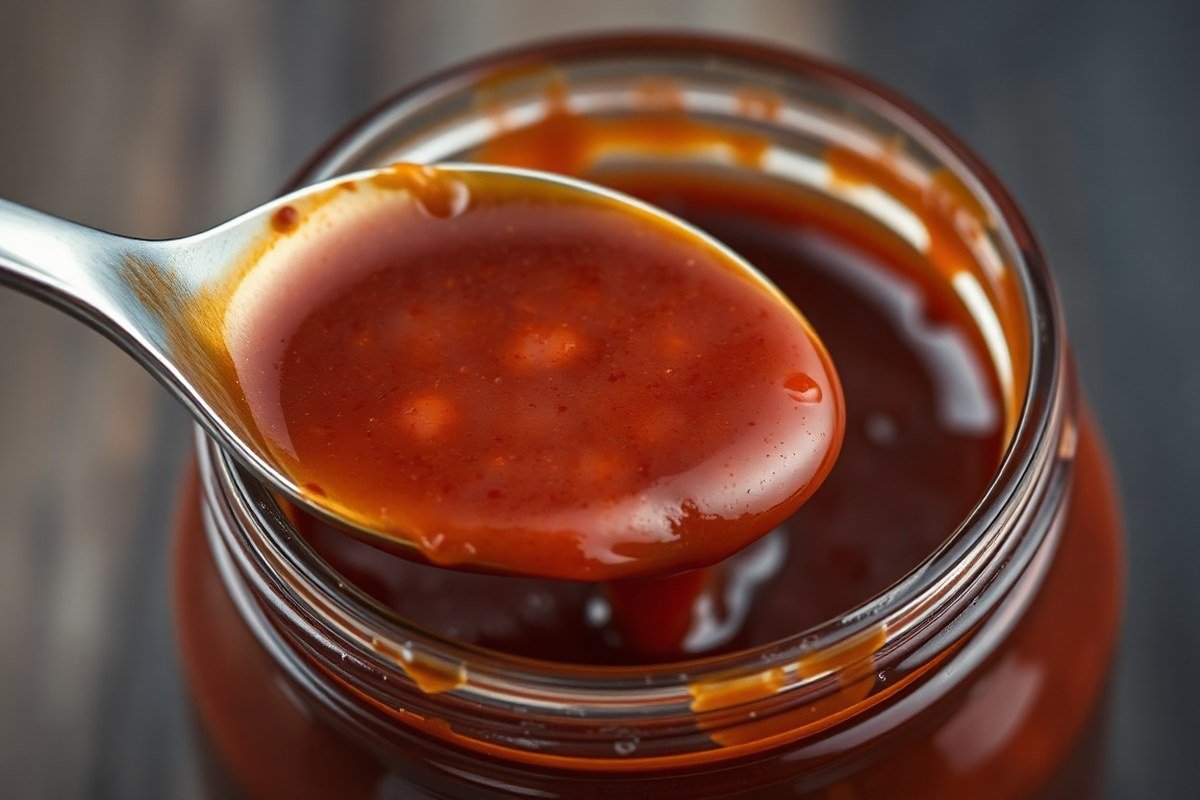
Strong Signs your BBQ sauce has spoiled include changes in smell, color, texture, and the presence of mold. You should smell the sauce before tasting it. A sour or vinegary odor often means fermentation or bacterial growth, while a rancid or musty smell signals fat oxidation or mold. A sharp, unpleasant scent means definite spoilage and you should discard the sauce immediately without tasting.
Inspect the sauce visually for changes. Darkening beyond slight oxidation can suggest spoilage. Texture alterations like clumping or thickening that won’t mix back into a consistent sauce usually mean the sauce has broken down and gone bad. Mold or fuzzy spots on the surface or inside the bottle always mean you should throw the sauce away, do not taste it to check.
- Smell for sour, rancid, or sharp off odors
- Look for significant darkening or unusual color changes
- Check for clumps or thick texture that won’t remix
- Watch for mold spots or fuzzy growth
- Ignore normal liquid separation; it’s not spoilage
- Discard if the cap bulges or hisses on opening
Since ingredients like vinegar and mustard slow spoilage and tomato or animal fat based sauces can go bad faster, check spoilage signs carefully after 6 to 9 months. Spoiled sauce tastes bad before obvious visual signs appear. Avoid tasting any sauce that smells off. Strong spoilage odors combined with odd texture or color changes offer a reliable way to recognize when your BBQ sauce is unsafe to use.
Does BBQ Sauce Need Refrigeration? Best Storage Practices
Unopened store-bought BBQ sauce does not need refrigeration and can be safely stored in a cool, dark pantry for up to a year past its best-by date. Keeping it away from direct sunlight and heat sources helps maintain quality. Once opened, refrigeration becomes necessary to extend the sauce’s freshness and reduce the risk of spoilage. Open bottles stored in the refrigerator at about 40°F (4°C) typically remain good for four to six months, sometimes up to a year depending on the brand and sugar content.
Leaving opened BBQ sauce at room temperature beyond a day or two can cause it to lose flavor and become more prone to bacteria. Vinegar’s acidity helps slow spoilage but doesn’t stop it completely. Over time, the sauce might change in taste or texture, indicating it should be thrown away. Always sealing the lid tightly after use limits air and contaminants, helping keep the sauce fresh and safe.
To avoid contamination, never dip utensils directly into the bottle. Instead, pour some sauce into a clean dish and use a spoon from there. Always close the lid tightly after use and promptly return the bottle to the refrigerator. For homemade BBQ sauce, refrigeration is critical immediately after preparation, with typical safe storage between one to two weeks. Sugar-free or low-sugar varieties may lose quality faster and generally last one to three months refrigerated. Following these steps ensures you enjoy your BBQ sauce at its best without risking spoilage or foodborne illness.
Freezing BBQ Sauce: How It Extends Life and How to Do It Right
Freezing BBQ sauce effectively extends its shelf life, especially for homemade or bulk-purchased sauces that you might not use quickly. When frozen properly, BBQ sauce can last up to six months in the freezer. While it remains safe beyond that time, the quality, flavor, and texture tend to decline. For the best taste, most cooks recommend using frozen BBQ sauce within three to four months.
Freezing BBQ sauce not only preserves it but also helps reduce waste. You avoid tossing out sauce that would spoil in the fridge before you finish it. The key is to freeze the sauce in small, airtight containers or freezer-safe bags to limit air exposure, which can lead to freezer burn and flavor loss.
Thaw BBQ sauce safely by placing it in the refrigerator overnight. Avoid thawing at room temperature, as this can lead to bacterial growth. Once thawed, stir the sauce well, then use it within 5 to 7 days. Refreezing BBQ sauce is generally not recommended, as repeated freezing and thawing affects texture and taste and can increase food safety risks. Follow these precise steps to freeze and thaw your BBQ sauce correctly:
- Cool the sauce: Allow any cooked BBQ sauce to cool to room temperature before freezing.
- Portion the sauce: Divide the sauce into smaller portions that you typically use in one cooking session.
- Choose containers: Use airtight containers or heavy-duty freezer bags. For bags, squeeze out excess air before sealing.
- Label and date: Mark each container or bag with the date of freezing to track storage time accurately.
- Freeze flat if using bags: Lay freezer bags flat in the freezer for even freezing and easier stacking.
- Thaw properly: Move the frozen sauce to the refrigerator the night before you plan to use it.
- Stir and use promptly: After thawing, stir the sauce well and consume it within 5 to 7 days.
- Avoid refreezing: Skip refreezing leftover thawed BBQ sauce to maintain safety and quality.
| Storage Method | Recommended Duration | Notes |
|---|---|---|
| Frozen BBQ sauce | 3 to 4 months | Best flavor and texture |
| Frozen BBQ sauce | Up to 6 months | Still safe, but flavor declines |
| Thawed BBQ sauce (refrigerated) | 5 to 7 days | Use promptly, do not refreeze |
How Homemade BBQ Sauce Shelf Life Differs from Store-Bought
Homemade BBQ sauce spoils faster than store-bought versions mainly because it lacks the preservatives found in commercial products. Ingredients like citric acid, potassium sorbate, and added sugars in store-bought sauces slow down bacterial growth and extend shelf life. Without these additives, homemade sauce typically stays good for only 1 to 2 weeks in the refrigerator. In contrast, opened store-bought sauces can last 4 to 6 months refrigerated, sometimes longer under ideal conditions.
The difference matters for safety and quality. Homemade sauces often have a brighter, fresher taste due to the absence of preservatives, but they are also more vulnerable to spoilage. To keep your homemade sauce fresh longer, store it in a clean, airtight container in the fridge at or below 40°F. Avoid leaving it out at room temperature. If you plan on storing it beyond two weeks, freezing is a solid option to extend its life without losing flavor.
Using preservation methods like increasing vinegar or sugar content slightly can help, but this changes the sauce’s taste. Another method is heating the sauce to a boil before bottling, then sealing it well, which mimics canning techniques and improves shelf stability. Still, these approaches require careful steps to avoid spoilage and unsafe bacteria growth.
| Homemade BBQ Sauce | Store-Bought BBQ Sauce | |
|---|---|---|
| Preservatives | None or minimal, usually just natural vinegar and sugar | Citric acid, potassium sorbate, added preservatives |
| Refrigerated Shelf Life After Opening | 1, 2 weeks | 4, 6 months |
| Freezing | Recommended to extend beyond 2 weeks | Works, but less often needed due to long fridge life |
| Storage Requirements | Airtight container, < 40°F, avoid temperature swings | Same, but more forgiving due to preservatives |
Common Storage Mistakes That Ruin BBQ Sauce Quickly
Many people store BBQ sauce in ways that make it spoil faster. Leaving a bottle open or not sealing it tightly lets air in, which causes oxidation and can change the taste and texture. Storing your BBQ sauce at room temperature for longer than two hours also accelerates spoilage because bacteria grow faster at warm temperatures. Temperature swings from moving the sauce in and out of the fridge can break down the sauce’s stability, reducing its quality quickly.
Cross-contamination is another common issue. Dipping a dirty spoon or brush into the sauce transfers microbes and food particles that can promote mold and bacterial growth. This mistake cuts the sauce’s life short even if it’s kept cold. Avoiding these errors helps maintain the flavor and safety of your BBQ sauce.
- Leaving the bottle open or loosely sealed, always close tightly after use to limit air exposure.
- Storing the sauce at room temperature for over two hours, put it in the fridge promptly.
- Repeatedly taking the bottle out and returning it, causing temperature changes, keep it consistently cold.
- Using contaminated utensils, use clean spoons or pour sauce out instead of dipping.
- Keeping BBQ sauce in direct sunlight or near heat sources, store in a cool, dark spot in the fridge.
These fixes require attention but no extra cost beyond proper fridge use and clean kitchen habits. Following them means your BBQ sauce will stay fresh, taste better, and last closer to the recommended four to six months after opening.
Safety Tips and When to Discard Your BBQ Sauce
BBQ sauce is definitely unsafe if you spot mold, notice a bloated container, or experience a foul smell. These are clear signs bacteria or fungi have multiplied to dangerous levels, which could cause food poisoning. You should never taste sauce with these obvious spoilage symptoms because harmful microbes might be present even before smell or appearance change. Always throw away sauce that shows any of these warning signs.
For sauce that looks and smells normal but you still question, perform a safe taste test. Dab a tiny amount on your fingertip and lick it. When the flavor tastes harsh, metallic, or sharply sour, spit it out immediately and throw the bottle away. Avoid swallowing during this testing because some spoiled BBQ sauce can taste fine while still being unsafe to eat. When in doubt, it’s better not to risk it.
Health risks from eating spoiled BBQ sauce can include nausea, vomiting, stomach cramps, and diarrhea. Some bacteria, like certain strains of Salmonella or Clostridium, can survive acidic environments such as BBQ sauce and cause foodborne illness. Prompt refrigeration after opening slows bacterial growth but does not prevent spoilage forever. Consuming sauce past its prime increases your risk of these symptoms.
Deciding whether to keep or toss BBQ sauce comes down to a simple checklist: inspect the bottle for swelling or leaks, check the sauce’s smell and color, look for mold, confirm it was refrigerated properly, and cautiously taste test if everything else seems fine. Discard the sauce if any step of the process fails. Also, keep BBQ sauce away from pets since some ingredients could harm them. Following these precautions will help you avoid health hazards and enjoy your BBQ sauce safely.
Step-by-Step Action Plan for Safe BBQ Sauce Use and Storage
Follow this simple timeline to keep your BBQ sauce fresh and safe to enjoy every time.
- Before you open: Check the expiration date and packaging integrity to ensure safety. Sealed and undamaged BBQ sauce is safe to use.
- Day 1 after opening: Refrigerate the sauce immediately to slow bacterial growth. Proper cold storage means your sauce stays good longer.
- Week 1: Inspect the sauce visually and smell it for off odors or mold. Clear, consistent color and familiar smell indicate it’s still fine.
- Week 2 to 3: Use the sauce regularly and avoid double-dipping to reduce contamination risks.
- After 1 month: Begin checking for any changes in taste, texture, or smell before use. Any sour or strange flavors mean toss it.
- Before 3 months: Consider freezing leftover sauce in airtight containers if you won’t finish it soon. Frozen sauce preserves flavor and texture longer.
- After freezing: Thaw in the fridge and use within a week. Discard BBQ sauce immediately if signs of spoilage appear after thawing.
Frequently Asked Questions
Can BBQ Sauce Go Bad Even If the Date Is Not Expired?
Yes, BBQ sauce can spoil before the expiration date due to improper storage or contamination. Always check for off smells, mold, or fizzing before use regardless of the date on the bottle.
Does BBQ Sauce Lose Flavor over Time?
Yes, BBQ sauce can lose its flavor and freshness over time even if it’s safe to eat. For best taste, use opened sauce within 4-6 months refrigerated.
Can You Use BBQ Sauce Past Its Best-By Date?
It’s possible if no spoilage signs appear, but quality may decline. Smell and look for changes before use.
How Long Does Refrigerated Homemade BBQ Sauce Last?
Homemade BBQ sauce lasts about 1-2 weeks refrigerated due to lack of preservatives. Use quickly to ensure safety and flavor.
Is It Safe to Eat BBQ Sauce with Mold on the Lid?
No, mold on the lid indicates contamination and unsafe sauce. Always discard if mold appears.
Wrapping Up
BBQ sauce does go bad, but proper handling can extend its usability and keep your meals tasty. Refrigerate after opening and watch for any signs of spoilage before each use. Take a moment now to check your sauces in the fridge for freshness, it’s the easiest way to enjoy safe, flavorful BBQ every time.