Can Dogs Have BBQ Sauce? Toxic Ingredients, Risks, and Safe Alternatives
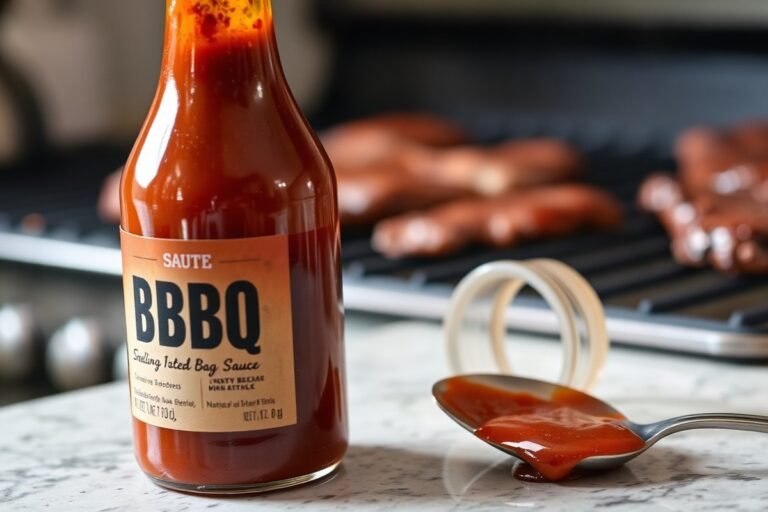
Can dogs have BBQ sauce? It’s best to avoid giving your dog BBQ sauce because it contains ingredients that can be harmful to their health. High salt, sugar, and spices in sauce can lead to serious digestive issues and other complications. If your dog accidentally eats BBQ sauce, monitor them closely and contact your vet for advice.
Key Takeaways
- BBQ sauce often has toxic ingredients such as onion and garlic powders that are harmful to dogs.
- High salt and sugar levels in BBQ sauce can cause dehydration, obesity, and diabetes in dogs.
- Small amounts can upset digestion, but toxic symptoms like vomiting and seizures require immediate veterinary attention.
- Watch your dog for symptoms
- Avoid sharing BBQ sauce at gatherings
- Consult your vet promptly
- Feeding BBQ sauce isn’t recommended
- Avoid sharing BBQ sauce at gatherings
- Consult your vet promptly
- Feeding BBQ sauce isn’t recommended
- Consult your vet promptly
- Feeding BBQ sauce isn’t recommended
Can Dogs Safely Eat BBQ Sauce?
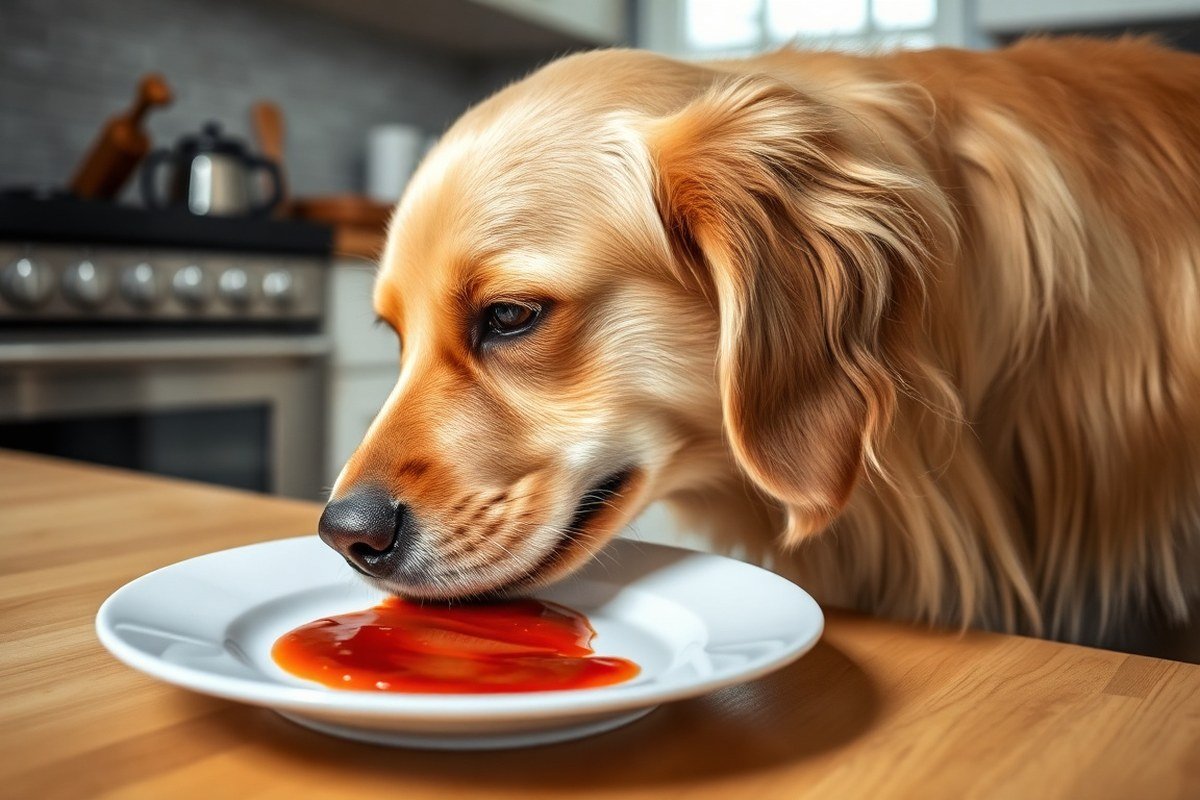
Dogs should not eat BBQ sauce because it contains ingredients that can harm them, such as garlic, onion, sugar, salt, and spices. These components may irritate a dog’s digestive system or cause more serious health problems. Even though a small lick of BBQ sauce is unlikely to cause immediate harm, it is not recommended to allow dogs to eat it on purpose or in larger amounts.
Since BBQ sauces typically have high sugar and salt levels along with potentially toxic ingredients, you must avoid feeding any commercial BBQ sauce to your dog. Homemade versions prepared without harmful ingredients might seem safer, but even small amounts should be given cautiously and only if made specifically for dogs. This is especially important because individual dogs differ in sensitivity; some can react badly to even a small taste.
As a practical decision rule, a very small lick accidentally taken from your plate or finger usually poses low immediate risk, but any intentional feeding should be avoided. If you do want to share a sauce-like treat, opt instead for dog-safe alternatives that contain no onion, garlic, or artificial additives. Careful management helps prevent digestive upset and more serious toxic reactions, which could require veterinary attention.
Which Ingredients in BBQ Sauce Are Toxic to Dogs?

Onion and garlic are among the most harmful ingredients found in BBQ sauce for dogs. Both belong to the allium family and can cause damage to a dog’s red blood cells, leading to anemia. Even small amounts of onion or garlic powder can trigger symptoms like weakness, vomiting, and improve heart rate. The toxic effect depends on the quantity ingested and the dog’s size; eating even about 15 to 30 grams of onion per kilogram of body weight may cause poisoning.
Artificial sweeteners, especially xylitol, pose another serious risk. Xylitol is highly toxic to dogs and can cause a rapid drop in blood sugar (hypoglycemia), seizures, liver failure, or even death. Some sugar-free BBQ sauces use xylitol or similar substitutes, so always check the label to be certain. Toxicity can occur with as little as 0.1 grams per pound of a dog’s weight, making even tiny amounts dangerous.
High salt and sugar content in BBQ sauce also creates health concerns. Excessive salt can lead to salt poisoning, causing vomiting, diarrhea, tremors, and excessive thirst. Large amounts of sugar contribute to obesity, dental problems, and gastrointestinal upset. Spices and hot peppers commonly added to BBQ sauces may irritate a dog’s digestive tract, causing discomfort and diarrhea. Here is a comparison of common BBQ sauce ingredients based on their toxicity to dogs:
| Ingredient | Toxicity Level | Possible Effects |
|---|---|---|
| Onion (powder or fresh) | High | Red blood cell damage, anemia, vomiting |
| Garlic (powder or fresh) | High | Red blood cell damage, anemia, weakness |
| Xylitol (artificial sweetener) | Very High | Hypoglycemia, liver failure, seizures |
| Salt (excess) | Moderate | Vomiting, diarrhea, tremors, dehydration |
| Sugar (high amounts) | Moderate | Obesity, dental issues, upset stomach |
| Spices/Hot peppers | Low to Moderate | Gastrointestinal discomfort, diarrhea |
Checking ingredient labels of BBQ sauces for these harmful components can help you avoid accidental poisoning. Garlic and onion are common base flavors in many commercial sauces. Artificial sweeteners are more common in sugar-free varieties. Keeping your dog safe means avoiding sauces with these compounds entirely, since even small amounts can lead to serious health problems.
How Much BBQ Sauce Is Dangerous for Dogs by Size?

How dangerous BBQ sauce is for your dog depends largely on their size and the amount they’ve consumed. Smaller dogs under 20 pounds are the most vulnerable, even a spoonful of BBQ sauce can cause significant health issues because ingredients like onion, garlic, and salt affect them more quickly and severely. For dogs between 20 and 50 pounds, a stray lick or a small drop should be monitored but is usually not dangerous. However, if they ingest more than a couple tablespoons, especially if the sauce contains harmful ingredients, you should contact your vet immediately. Large dogs over 50 pounds tend to tolerate small amounts better, but you still need to keep an eye out and consult a vet if they eat a large quantity or show any symptoms.
Any dog, regardless of size, that consumes BBQ sauce containing Xylitol needs emergency care, even if the amount is very small. Xylitol can cause a fast drop in blood sugar and serious liver damage, so act quickly by calling your vet or a poison control center. For sauces without xylitol, the threat comes mainly from salt, onions, and garlic, which are dose-dependent toxins damaging red blood cells or causing salt poisoning.
If your dog licks a little sauce, rinse their mouth and watch for vomiting, diarrhea, or lethargy for the next 24 to 72 hours. Small dogs hit dangerous toxicity levels with even modest amounts in a way medium and large dogs do not. When the amount consumed crosses thresholds like a spoonful or more for small dogs and multiple tablespoons for mid-sized dogs, reach out to a vet promptly. Large dogs require attention if serious symptoms develop or if they consume a large volume of sauce. Knowing these limits can help you react appropriately and protect your pet’s health.
Symptoms to Watch for After a Dog Eats BBQ Sauce
Symptoms that may appear after your dog eats BBQ sauce include vomiting, diarrhea, weakness, and lethargy. These signs often relate to gastrointestinal distress and can arise within 30 minutes to a few hours of ingestion. If the sauce contains concentrated ingredients like powdered garlic or onion, symptoms such as pale gums and weakness might develop over the course of One to several days due to the slower impact on red blood cells.
More serious symptoms requiring Immediate veterinary care include sudden wobbliness, collapse, seizures, or episodes of unexpected vomiting paired with unusual neurological behavior. These may indicate blood sugar crashes if the BBQ sauce contained xylitol, a dangerous sugar substitute. Such symptoms can appear quickly, often within 30 to 60 minutes after ingestion.
It’s important to closely monitor your dog after they consume BBQ sauce, especially if the amount was significant or if the sauce’s ingredients include toxic additives like xylitol, powdered onion, or garlic. Rapid onset of gastrointestinal upset or neurological signs means you should seek veterinary advice immediately. Mild cases might show signs within hours and resolve, but watch for any worsening or new symptoms over the next few days. Early veterinary intervention can prevent the progression of poisoning and serious complications.
What to Do If Your Dog Ingests BBQ Sauce
Act quickly if your dog eats BBQ sauce. First, note the time and how much sauce they consumed. This information will help your veterinarian assess the risk and decide on the best treatment. Contact your vet immediately for guidance, especially if your dog is small or the sauce might contain xylitol, a highly toxic sweetener for dogs.
Monitor your dog at home for any unusual signs such as vomiting, diarrhea, lethargy, excessive thirst, or shaking. These symptoms can develop within a few hours but might take up to 24 hours to become serious. Your dog needs a vet call right away when showing these symptoms or after ingesting a lot of sauce.
- Note the exact time and quantity of BBQ sauce ingested.
- Check the ingredient list for harmful substances like xylitol or garlic.
- Call your veterinarian or an emergency clinic for specific advice.
- Keep your dog hydrated with fresh water but don’t force feeding or medication unless instructed.
- Observe your dog closely for 24 hours for symptoms like vomiting or weakness.
- Contact your vet again if symptoms worsen or do not improve within a day.
Seek emergency veterinary care right away when the sauce has xylitol or your dog shows serious symptoms. Following professional guidance can prevent complications such as sodium poisoning or gastrointestinal upset. Early treatment often improves outcomes and reduces the cost of care, which varies by veterinary clinic but can range from $100 to several hundred dollars depending on interventions needed.
Safe Alternatives to BBQ Sauce for Dogs
Plain grilled or boiled meat without seasoning is the safest and most nutritious option to serve your dog during cookouts. Offer small pieces of Boneless, skinless chicken, turkey, or lean beef cooked thoroughly at an internal temperature of 165°F to avoid any bacterial risks. This meat provides high-quality protein without harmful additives, unlike BBQ sauce which contains sugars, salts, and spices that can be toxic or upsetting to dogs.
For adding flavor without danger, consider dog-safe food toppers such as Unsalted bone broth, which hydrates while providing minerals and amino acids. Another option is Plain pumpkin puree, which supports digestive health and adds a mild sweetness. You can also use small amounts of Plain yogurt, which contains probiotics beneficial for your dog’s gut flora, but avoid flavored or sweetened types that may include harmful ingredients.
Comparing these alternatives, plain cooked meat serves as a direct protein source, bone broth boosts hydration and nutrition with minimal calories, pumpkin puree aids digestion with fiber, and yogurt supports gut health through probiotics. Each option can be gently introduced in small amounts, about one to two teaspoons per 10 pounds of body weight, to monitor tolerance. Avoid commercial sauces and condiments formulated for humans, which often contain ingredients unsafe for dogs.
To serve, begin with plain grilled meat cut into bite-sized pieces. If desired, drizzle a teaspoon or less of bone broth or add a spoonful of pumpkin or plain yogurt atop the meat. Always observe your dog after trying a new topper for any digestive upset. Consult your veterinarian before regularly including these additions, especially if your dog has health conditions or dietary restrictions.
How to Safely Include Dogs in BBQ Cookouts
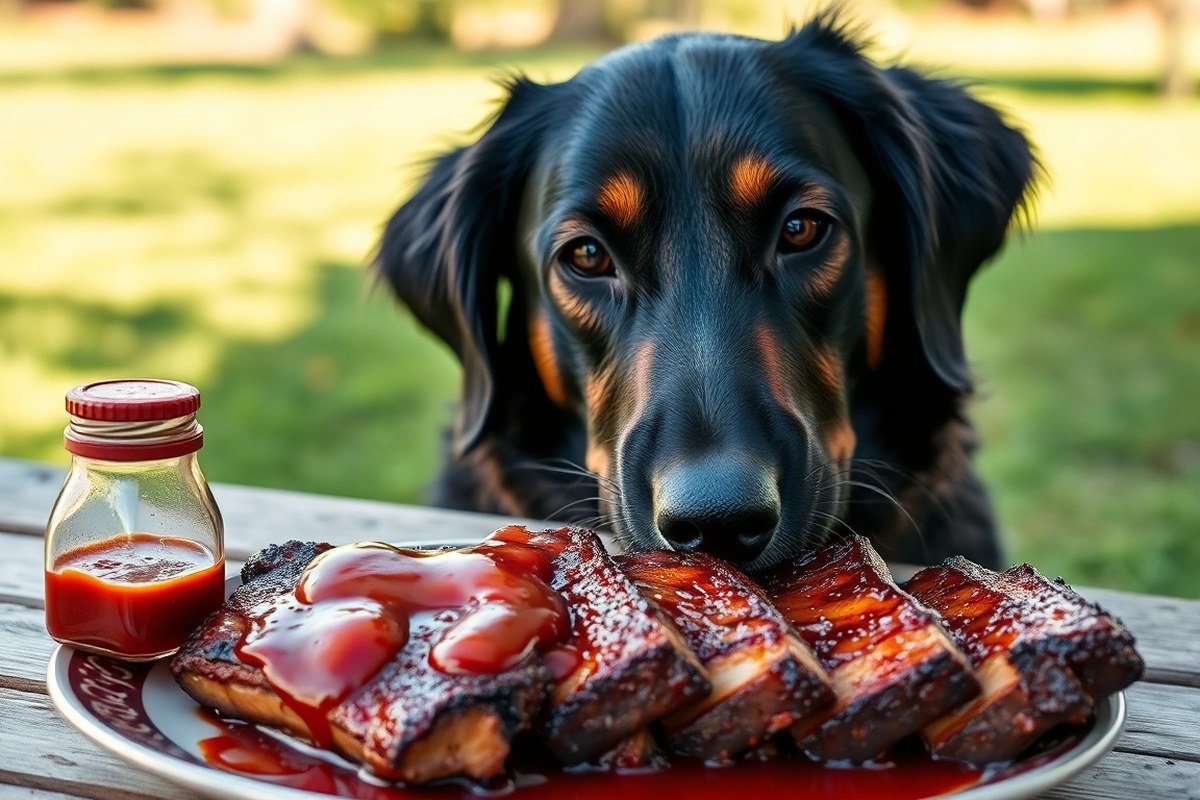
Keep your dog safe and happy during BBQ cookouts by setting clear boundaries to prevent them from accessing harmful BBQ sauce. Dogs find BBQ sauce very appealing due to certain chemicals that trigger their taste receptors, making them eager to lick anything sauced. To avoid accidental ingestion, supervise your pet closely around the grill and food areas. You can also designate a specific spot away from the cooking zone where your dog can relax comfortably. Preventing access to BBQ sauce often involves physical barriers and careful management of food. Here are practical tips to keep your cookout safe for your dog:
- Place all BBQ sauce containers and servings out of your dog’s reach immediately after use.
- Use baby gates or playpens to create a safe space for your dog during peak cooking and eating times.
- Train your dog with a command like “stay” or “go to your mat” to keep them away from the food table.
- Clean up spills or dropped food promptly to remove temptation.
- Offer your dog a comfortable blanket or bed in a quiet corner to help them settle down.
- Keep water bowls filled and accessible to keep your dog hydrated and distracted.
To treat your dog during a BBQ, skip the BBQ sauce and grill plain, boneless, skinless chicken, turkey, or fish without seasoning. Small bites of these lean proteins are safe and can help your dog feel included. Homemade dog treats or their regular kibble can also work as rewards. Avoid any meat with garlic, onion, seasoning, or bones to prevent health risks.
Quick-Start Action Plan for Handling BBQ Sauce and Your Dog
Use this plan to protect your dog and act quickly if they get into BBQ sauce. Watch for signs and take the right step at the right time.
- Immediately after ingestion: Remove any remaining BBQ sauce from your dog’s reach and rinse their mouth with water if possible.
- Within the first hour: Check your dog for symptoms like vomiting or diarrhea to gauge if veterinary care is needed.
- Next 24 hours: Monitor your dog closely for signs of distress such as weakness, excessive drooling, or agitation.
- First 48 hours: Keep your dog hydrated and offer bland food; improvement shows safe recovery.
- Within 72 hours: Contact your vet if symptoms worsen or new signs like tremors develop.
- When planning barbecues: Set up a pet-safe eating area with approved treats and water to keep your dog away from BBQ sauce temptations.
- Before future cookouts: Provide training to discourage begging or food-snatching during meals; success means your dog stays calm around BBQ foods.
Frequently Asked Questions
Can Dogs Eat BBQ Sauce If It’s Sugar-Free?
Sugar-free BBQ sauce is not necessarily safe; other toxic ingredients like garlic or onion might still be present. Check all ingredients carefully before offering any amount to your dog.
Is BBQ Sauce Harmful to Puppies Differently Than Adult Dogs?
Puppies are generally more sensitive to toxic ingredients and acids in BBQ sauce, so they’re at higher risk for digestive upset or poisoning. Avoid giving BBQ sauce to puppies entirely.
Can BBQ Sauce Cause Allergies in Dogs?
Some dogs may be allergic to components like spices or tomato in BBQ sauce, causing itching or swelling. Watch for unusual symptoms after exposure.
Is BBQ Sauce Safe for Dogs with Diabetes or Obesity?
No, the high sugar and salt content in BBQ sauce can worsen diabetes or weight issues in dogs. Avoid BBQ sauce if your dog has these conditions.
Does Vinegar in BBQ Sauce Cause Stomach Problems in Dogs?
Yes, vinegar’s strong acidity can upset your dog’s stomach and cause vomiting or diarrhea. It’s best to avoid BBQ sauce mainly due to vinegar content.
Before You Go
BBQ sauce is not safe for dogs and can cause health issues depending on its ingredients and the amount ingested. Protect your dog by keeping all sauces out of reach and watching for symptoms if they do eat it. Keep your vet’s contact handy so you can act quickly if needed and maintain safe habits during BBQs. Start by creating a pet-safe zone at your next cookout today to keep your dog healthy and included without risk.