Is Korean BBQ Healthy? A Complete Guide to Eating It Smartly
Is Korean BBQ healthy depends largely on your choices of meats, marinades, and sides. Grilled lean cuts and moderate portions offer a balanced, protein-rich meal without excess fat. Start by opting for lean meats and controlling portion sizes to enjoy Korean BBQ in a health-conscious way.
Key Takeaways
- Choose lean cuts like sirloin or chicken breast over fatty options like pork belly to reduce saturated fat intake.
- Limit high-sugar marinades and sauces to avoid unnecessary added calories and refined sugars.
- Include plenty of vegetable side dishes like kimchi and grilled vegetables to increase fiber and nutrient density.
- Grill meats for 3-4 minutes per side to retain tenderness without overcooking harmful compounds.
- Control portions by serving smaller amounts of meat and bulk up your meal with low-calorie sides.
- Avoid deep-fried Korean BBQ options like fried chicken when seeking a healthier meal.
Is Korean BBQ Healthy? Understanding Its Nutritional Pros and Cons
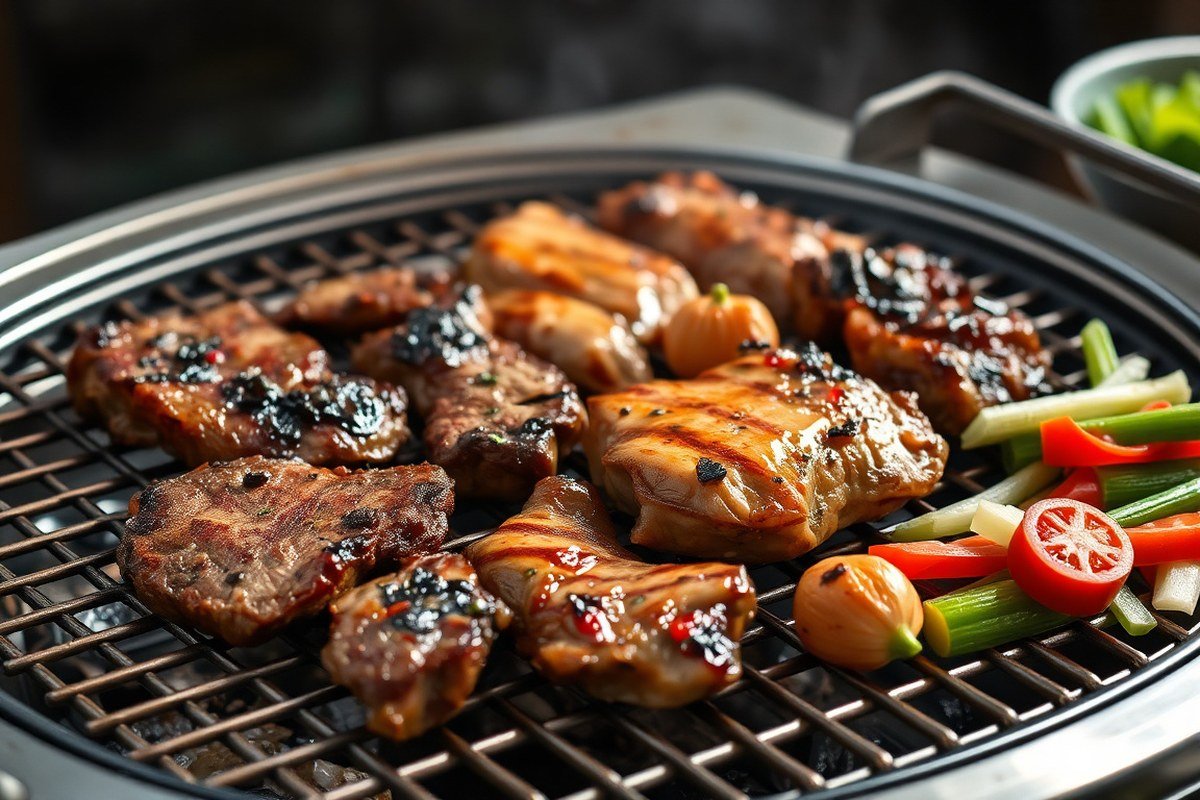
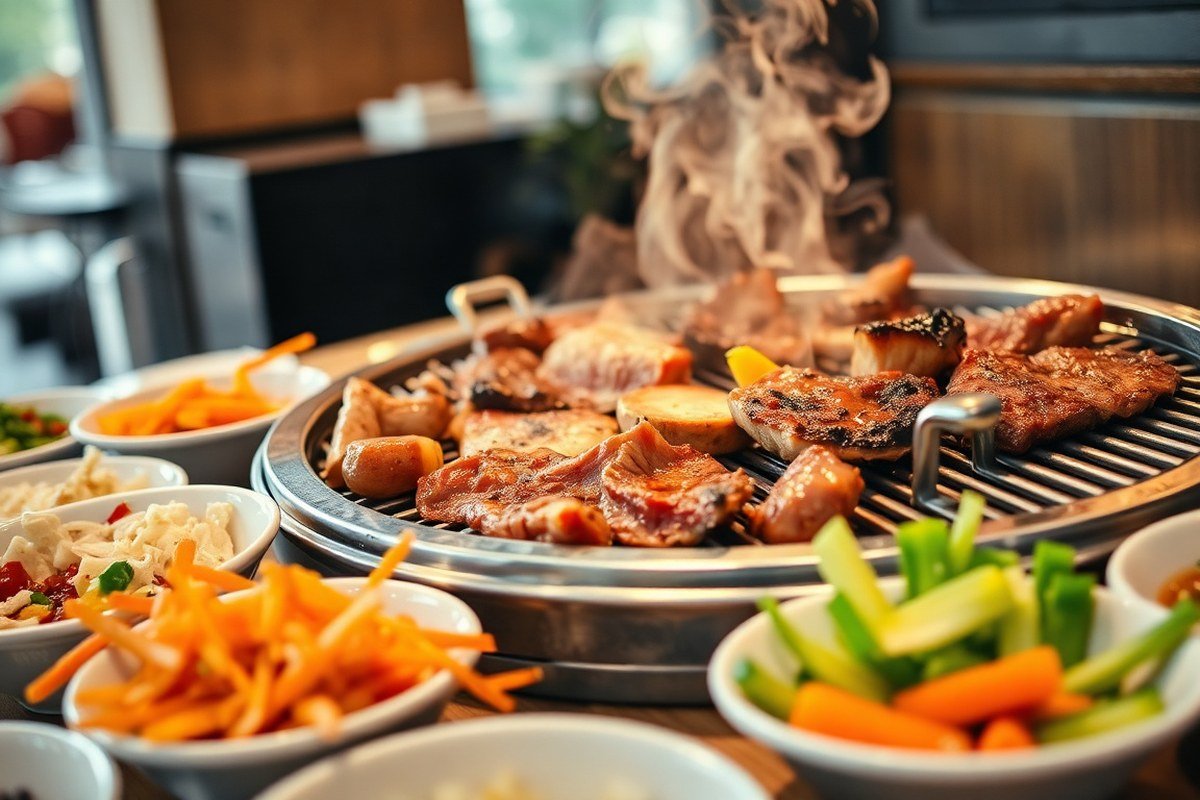
Korean BBQ is generally a healthy dining option when you consider its core components and cooking methods. The meal typically features lean meats like bulgogi, along with a variety of vegetables served as banchan, including kimchi and steamed greens, which improve its overall nutritional value. Grilling at high heat, a standard method in Korean BBQ, helps retain more nutrients in both meats and vegetables compared to other cooking styles.
The interactive tabletop grilling allows you to cook thin slices of meat quickly with minimal oil, preserving the natural flavors and avoiding the unhealthy fats often associated with frying. This results in a meal rich in protein and fiber, with fewer processed ingredients. The extensive vegetable sides increase vitamin and mineral intake, providing antioxidants and probiotics from fermented options like kimchi.
However, Korean BBQ can become less healthy depending on the choices you make. Many marinades and dipping sauces contain high levels of sodium and added sugars, which may contribute to increased blood pressure or calorie intake when used excessively. Also, fattier cuts of meat add saturated fat, which should be consumed in moderation. The social and all-you-can-eat nature of Korean BBQ might tempt you to overeat.
To keep the meal healthy, focus on picking lean unmarinated meats, load up on vegetable banchan, limit rice portions, and control sauce usage. The minimal use of added oils during cooking also helps reduce excess calorie load. With these adjustments, Korean BBQ offers a nutrient-rich and flavorful meal that fits well into a balanced diet.
Which Korean BBQ Meats and Cuts Are Best for Health?
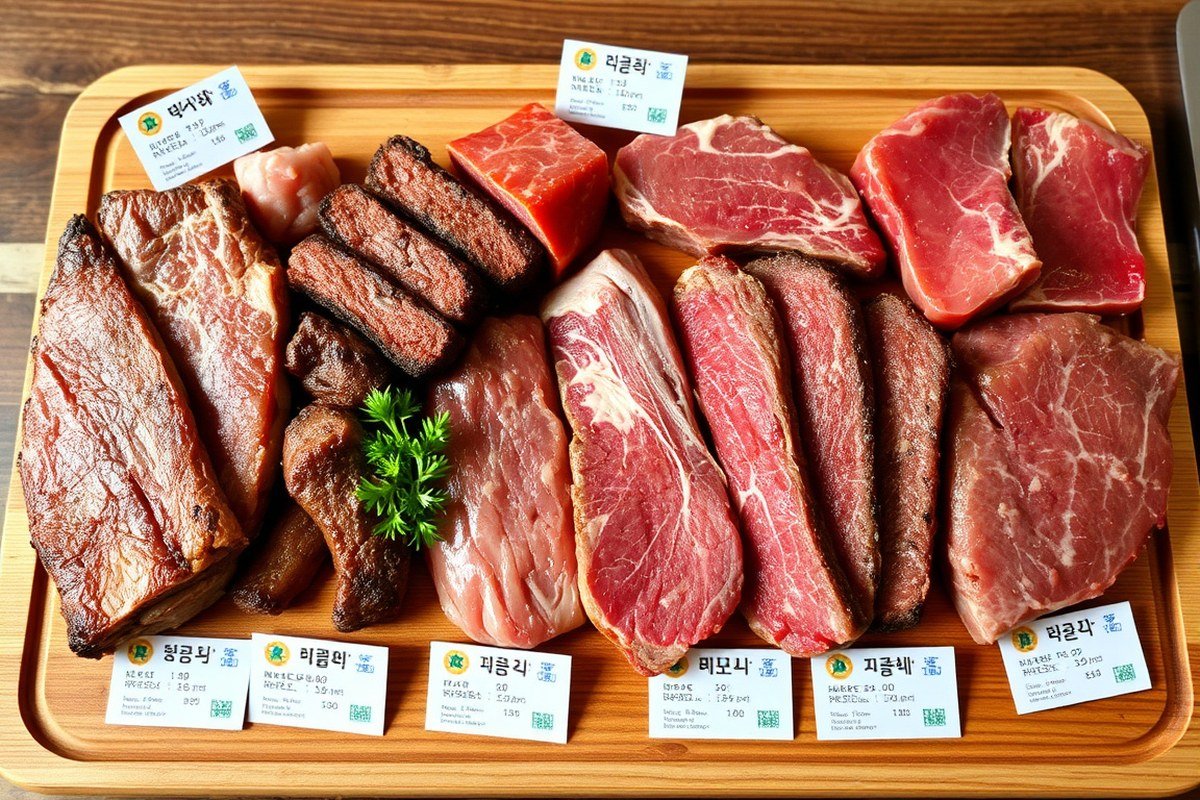
Choosing the right meats and cuts is key to keeping Korean BBQ a healthier option. Lean meats like Chicken breast and unmarinated beef brisket (chadolbaegi) provide high protein with less saturated fat, making them better picks than fattier cuts. Pork belly and marinated short ribs often pack a lot of calories and saturated fat, which can add up quickly, especially with generous portions or extra rice.
| Meat | Calories (4 oz cooked) | Protein (g) | Total Fat (g) | Saturated Fat (g) | Marinated? |
|---|---|---|---|---|---|
| Beef Brisket (chadolbaegi) | 250 to 300 | 28 | 15 to 18 | 6 to 8 | No |
| Beef Short Rib (galbi) | 300 to 400 | 24 | 20 to 30 | 8 to 12 | Yes |
| Pork Belly (samgyeopsal) | 400 to 500 | 20 | 40 to 45 | 14 to 16 | No |
| Bulgogi (beef) | 280 to 350 | 26 | 12 to 18 | 5 to 8 | Yes |
| Spicy Pork (dwaeji bulgogi) | 300 to 380 | 24 | 16 to 22 | 6 to 10 | Yes |
| Chicken Breast (unmarinated) | 140 to 160 | 26 | 2 to 4 | 1 | No |
For a healthier experience, prioritize lean cuts like unmarinated chicken breast and beef brisket. These options offer a good protein boost with lower saturated fat, which helps manage heart health risks. Marinated meats can have additional sugars and salt, contributing to higher calories, so use them in moderation. Avoiding fatty cuts like pork belly will reduce excess fat and calorie intake, especially important if you are watching weight or cholesterol.
How to Navigate Sauces, Marinades, and Side Dishes for a Balanced Meal
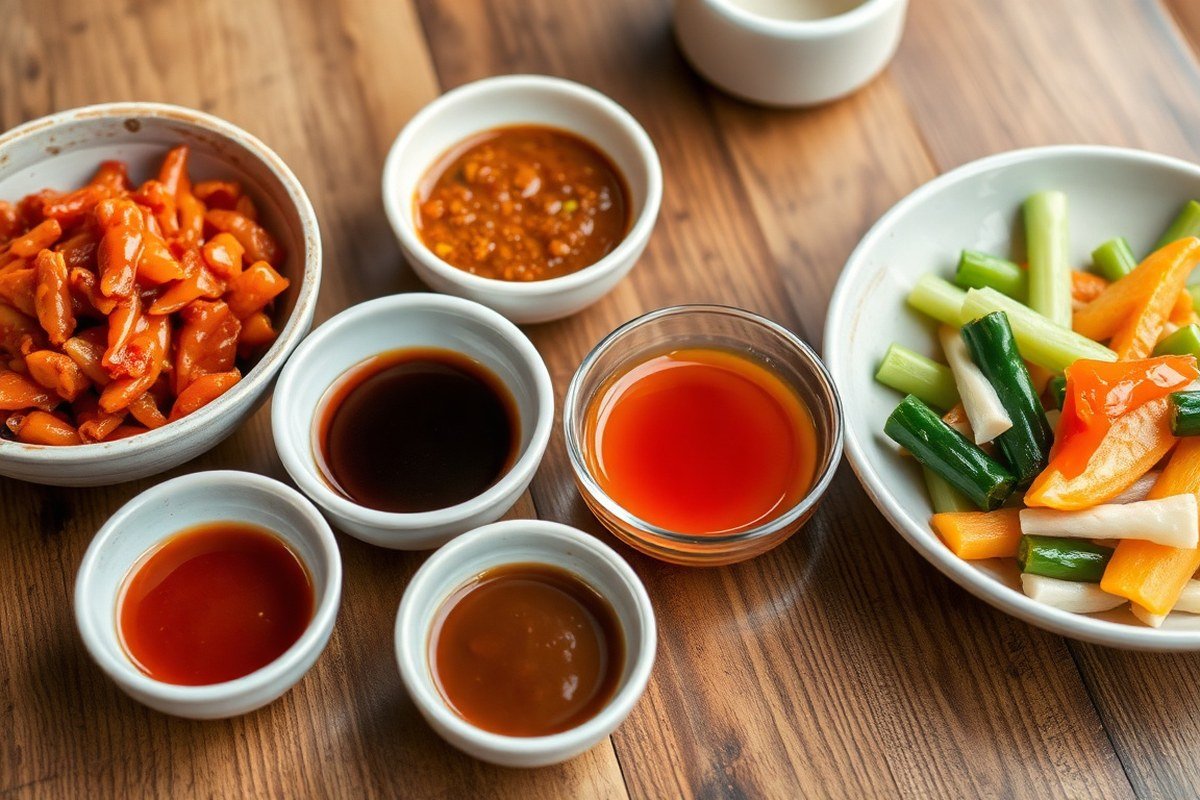
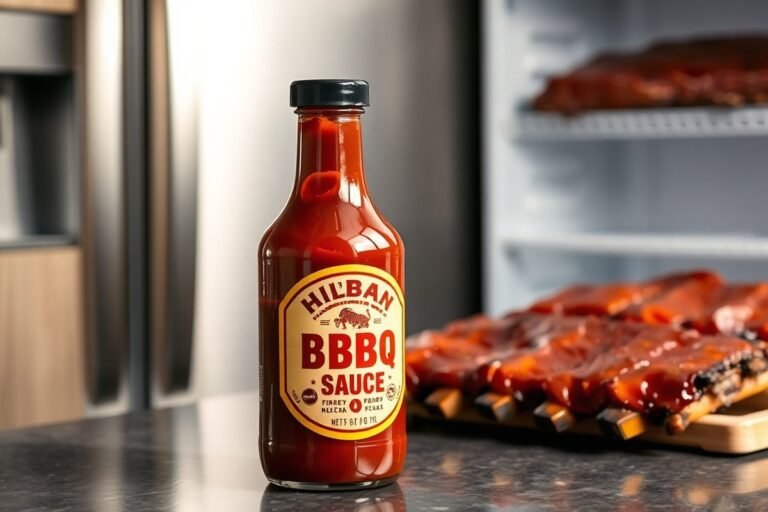
Marinades and sauces significantly influence the healthiness of Korean BBQ by adding sodium, sugar, and fats. Typically, soy sauce-based marinades and dipping sauces contribute high sodium levels, which may challenge those controlling blood pressure. Using these sauces sparingly helps keep sodium intake in check. Opt for marinades with less sugar and avoid heavy use of sesame oil or sweeteners to reduce unnecessary calories and saturated fat. A practical approach is to apply marinades briefly and serve sauces on the side, allowing you to control how much you consume throughout the meal.
Dipping sauces and banchan are essential parts of Korean BBQ but vary in their nutritional impact. Many dipping sauces are concentrated in sodium and sugar, so limit dipping frequency and portions to avoid excess salt and calories. Banchan, the small side dishes served with Korean BBQ, are mostly vegetable-based and can contribute positively to your meal’s nutrition. Fermented options like kimchi offer probiotics and fiber, supporting digestion. Pickled and seasoned vegetables bring antioxidants and vitamins. However, avoid or limit creamy or high-calorie banchan such as potato salad if you are mindful of calories or fats.
To create a balanced Korean BBQ meal, load up on Vegetable-based banchan, which add volume and nutrients without many calories. Cut back on rice or noodles to moderate carbohydrate intake. Use sauces and marinades prudently, tasting rather than drowning your meat, especially if you have hypertension or sodium sensitivity. These practices help you enjoy the flavors without compromising your health goals. For example, when offered a variety of side dishes, choose kimchi, seasoned spinach, and pickled radishes over fried or creamy options, and request sauce on the side. Your meal stays satisfying and more balanced this way without extra effort or cost.
Portion Control and Eating Practices for a Healthier Korean BBQ Experience
Controlling portions at Korean BBQ is key to avoiding overeating, especially since meals are usually served family style. You can still enjoy a variety of flavors by sharing dishes and focusing on balanced plates. Aim to fill half your plate with vegetables like kimchi, spinach, and bean sprouts, while reserving the other half for lean proteins such as brisket and chicken. Rice can be added in small amounts wrapped in lettuce instead of as a large base for your meal.
Common mistakes include piling on too much meat or rice and eating quickly, which can lead to consuming more calories than intended. The interactive, grill-your-own format actually helps pace your eating since you cook as you go. Slow down and take breaks between servings, sipping water to stay hydrated and signal fullness.
- Start with vegetables and small meat portions to balance the plate
- Share multiple dishes to try different flavors without overloading
- Use lettuce wraps to limit carbohydrate intake from rice
- Limit high-calorie sauces like ssamjang by using them sparingly
- Drink plenty of water throughout the meal
- Discuss portion preferences with your dining group to encourage mindful servings
A typical Korean BBQ meal can range from 600 to 900 calories depending on portion size, meat cuts, and side dishes consumed. Watching portion sizes and focusing on vegetables will generally keep calorie intake moderate. Taking time to eat and enjoying the social aspect helps avoid the overeating pitfall common with group meals served family style.
Special Considerations: Diets, Health Conditions, and Safety with Korean BBQ
Korean BBQ can fit into special diets like keto, mainly because it is high in protein and low in carbs. To stay keto-friendly, avoid sugary marinades and side dishes like rice or sweet sauces. Many Korean BBQ marinades contain sugar and sodium, so check labels or ask how the meat is prepared. Using plain grilled meats with garlic and sesame avoids hidden carbohydrates and supports your weight loss goals.
People with High blood pressure should watch out for the high sodium content in Korean BBQ marinades and dipping sauces. Excess sodium can raise blood pressure and increase risks for heart and kidney diseases, according to the CDC. Choosing less salty cuts or rinsing off excess marinade before grilling can help lower your sodium intake. Limit the amount of salty side dishes too, and balance your meal with fresh vegetables and kimchi, which might support healthy blood pressure.
Pregnant individuals can safely enjoy Korean BBQ as long as the meat is Cooked thoroughly above 160°F to kill harmful bacteria. Avoid cross-contamination by using separate plates and utensils for raw and cooked meat. Skip raw or undercooked items such as seafood or beef tartare. Moderate consumption is key, as some marinades contain sugar and sodium that you may want to limit during pregnancy.
Overall, managing Korean BBQ to suit your diet or health needs comes down to selecting the right cuts of meat, avoiding sugary or salty marinades, and cooking meat thoroughly. By following these steps, you can enjoy its rich flavors without compromising your health goals or safety.
Your Quick-Start Plan for Healthier Korean BBQ
Follow these steps to enjoy Korean BBQ while keeping your meal balanced and nutritious.
- Before you start: Choose lean meats like sirloin or chicken breast to reduce saturated fat intake. You’ll know it’s working if your meal feels filling but not heavy afterward.
- At your meal: Use sauces sparingly to limit added sugars and sodium. Taste your food first before adding more sauce to observe flavor with less seasoning.
- With each serving: Add plenty of vegetable side dishes such as kimchi and grilled mushrooms to boost fiber and nutrients. Notice if you feel satisfied with smaller meat portions.
- During the meal: Practice portion control by eating slowly and stopping when comfortably full. If you feel overly full or sluggish, try smaller portions next time.
- After your first meal: Pay attention to how your body reacts to the spices and marinades, especially if you have dietary restrictions. Adjust your choices accordingly for your next Korean BBQ experience.
- Within the week: Experiment with homemade marinades using low-sodium sauces and fresh ingredients to better control added sugars and fats. Notice if your meals feel lighter and more balanced.
- After two weeks: Incorporate Korean BBQ into your meal plan occasionally, balancing it with other lean protein sources. Watch for improved energy and weight management over time.
Frequently Asked Questions
Can Korean BBQ Fit into a Low-Carb Diet?
Yes, focus on lean meats and skip sugary sauces to keep carbs low while enjoying Korean BBQ.
Is Korean BBQ Safe for People with High Blood Pressure?
Choose low-sodium sauces and limit salty side dishes to help manage blood pressure during Korean BBQ meals.
Can Vegetarian or Vegan Options Be Healthy at Korean BBQ?
Yes, grilled vegetables and tofu can offer nutritious, plant-based choices at Korean BBQ gatherings.
How Often Can You Eat Korean BBQ Without Affecting Weight Loss?
Moderation matters; enjoying Korean BBQ once or twice a week can fit into most weight loss plans.
Does Korean BBQ Provide Enough Vitamins and Minerals?
Yes, because it includes fresh vegetables and lean meats, Korean BBQ supplies important nutrients like iron and vitamin C.
Wrapping Up
Korean BBQ can be part of a healthy diet when you choose lean cuts, control portions, and balance your meal with vegetables. Paying attention to sauces and side dishes helps you keep sodium and sugar in check. Try selecting your meats and sides thoughtfully at your next meal to enjoy Korean BBQ without guilt.