How to Thicken BBQ Sauce: 5 Proven Methods for Perfect Texture
How to thicken BBQ sauce starts with controlling moisture and adding thickening ingredients. Simmer the sauce on the stove or in a slow cooker to reduce excess liquid and intensify flavors. Stirring constantly during cooking helps achieve the right texture without burning.
Adding a flour or cornstarch slurry while continuously whisking allows you to thicken sauce safely and quickly. The key is to maintain medium heat and keep the sauce moving to avoid lumps and overcooking. === TAKEAWAYS===
Key Takeaways
- Simmer BBQ sauce over medium heat for 15-20 minutes to reduce and thicken it naturally.
- Whisk a mixture of flour and water into the sauce and cook 1-2 minutes for quick thickening.
- Use a slow cooker on low for 6-8 hours to gently reduce sauce without burning.
- Stir the sauce constantly during thickening to prevent lumps and ensure even texture.
- Monitor slow cooker temperature between 150°F and 180°F to keep the sauce safely simmering.
- Let reduced sauce rest 10, 15 minutes at room temperature to settle thickness before serving.
1. How to Thicken BBQ Sauce Quickly and Safely
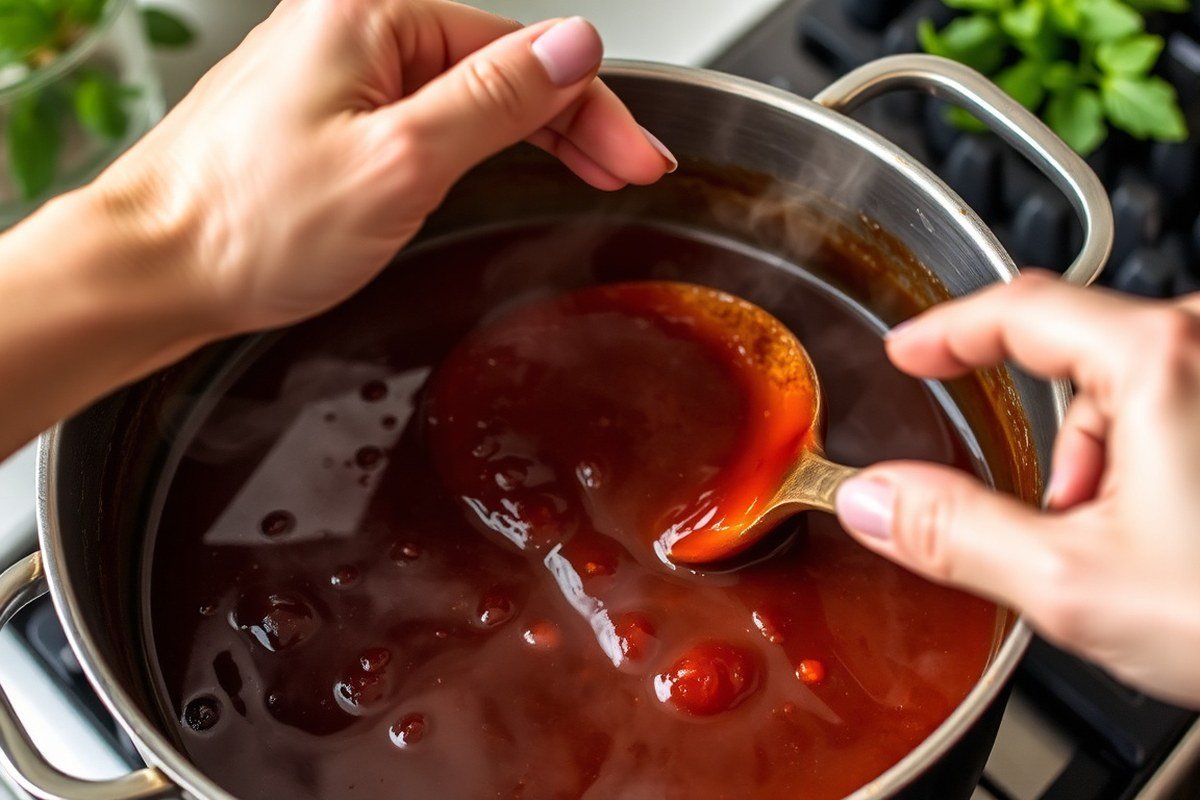
Thickening BBQ sauce quickly can be done safely by using neutral thickeners like cornstarch or flour, which don’t change the flavor much. Using these agents requires mixing them with water first to form a slurry; this prevents lumps and ensures even thickening. For 1 cup (about 250 mL) of BBQ sauce, use 1 tablespoon of cornstarch or 2 tablespoons of flour with warm water to get the right consistency without over-thickening. Avoid adding dry thickening agents directly, as this causes clumping and an uneven texture. Stay under 200°F when adding thickener, so the sauce thickens properly without burning or breaking down the starches. Here’s how to create and add a slurry safely to get smooth, thick BBQ sauce fast:
- Measure thickener: For every cup of BBQ sauce, measure 1 tablespoon of cornstarch or 2 tablespoons of all-purpose flour.
- Mix with water: Stir the thickener into 1/4 cup warm water for cornstarch, or 1/2 cup warm water for flour, until a smooth paste forms.
- Heat sauce: Warm the BBQ sauce on medium heat in a saucepan but do not boil yet.
- Pour slurry: Slowly whisk the slurry into the warm sauce to avoid lumps.
- Simmer gently: Keep the sauce at a low simmer, stirring constantly, for 2 to 3 minutes until it thickens.
- Check thickness: Turn off heat when sauce coats the back of a spoon but isn’t gluey.
- Adjust if needed: Add more slurry in small amounts if sauce is still thin, following the same steps.
Thickeners to avoid in BBQ sauce include those that change flavor strongly, such as gelatin or xanthan gum, unless you are sure of how they interact with your sauce’s profile. Follow sanitation rules: use fresh ingredients, keep utensils clean, and maintain safe cooking temperatures to prevent foodborne risks. Using these simple steps lets you thicken sauce quickly while preserving your BBQ’s signature taste and texture.
2. How to Thicken BBQ Sauce by Reducing on the Stove or Slow Cooker
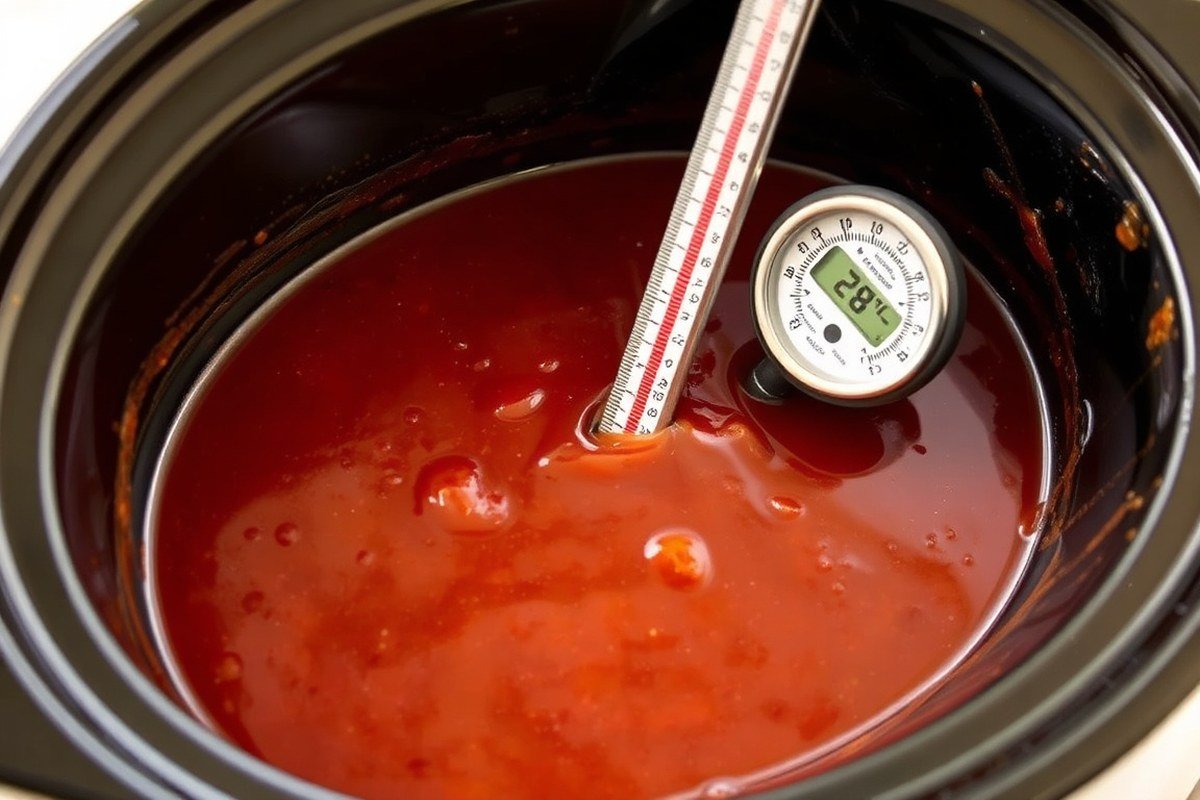
Reducing BBQ sauce on the stove is a straightforward way to thicken it by simmering. You start by pouring your sauce into a saucepan over low to medium heat, typically around 180°F to 200°F, and let it cook with the lid off. Stir the sauce every 5 to 10 minutes to prevent burning and ensure even thickening. The sauce will gradually lose water content, concentrating flavors and increasing viscosity. This reduction process usually takes between 30 minutes and 1 hour, depending on the initial volume and how thick you want it. You’ll know the sauce is ready when it coats the back of a spoon and doesn’t run off quickly. After removing it from heat, let it sit at room temperature for 10 to 15 minutes, which allows the thickness to stabilize.
You can also thicken BBQ sauce in a slow cooker by cooking it on medium heat with the lid off. This method takes longer, typically about 2 to 8 hours, since temperatures in slow cookers range between 150°F and 180°F for thickening purposes. Use a kitchen thermometer to ensure the sauce stays within this range. Stir the sauce occasionally to monitor its consistency and prevent scorching. Checking every 30 minutes helps you avoid over-thickening. The sauce is done when it clings to a spoon or spatula and has a syrupy texture. Thicker sauce may reduce the cooking time slightly because less water remains. This slow cooker method is useful if you want to prepare your sauce ahead of time and have it ready without standing over the stove.
Both methods rely on water evaporation to concentrate solids and flavors, but the stove-top method is faster and requires more attention. The slow cooker offers low and steady heat, which reduces the risk of burning but demands patience. Avoid rushing by raising temperatures too high, as that could cause the sugars in BBQ sauce to burn, resulting in bitterness. Consistently stirring and watching for the sauce to coat a spoon are the simplest decision rules to determine readiness. These techniques cost no extra ingredients but need time and some monitoring for the best texture and taste in your BBQ sauce.
3. Comparing Common Thickening Agents for BBQ Sauce
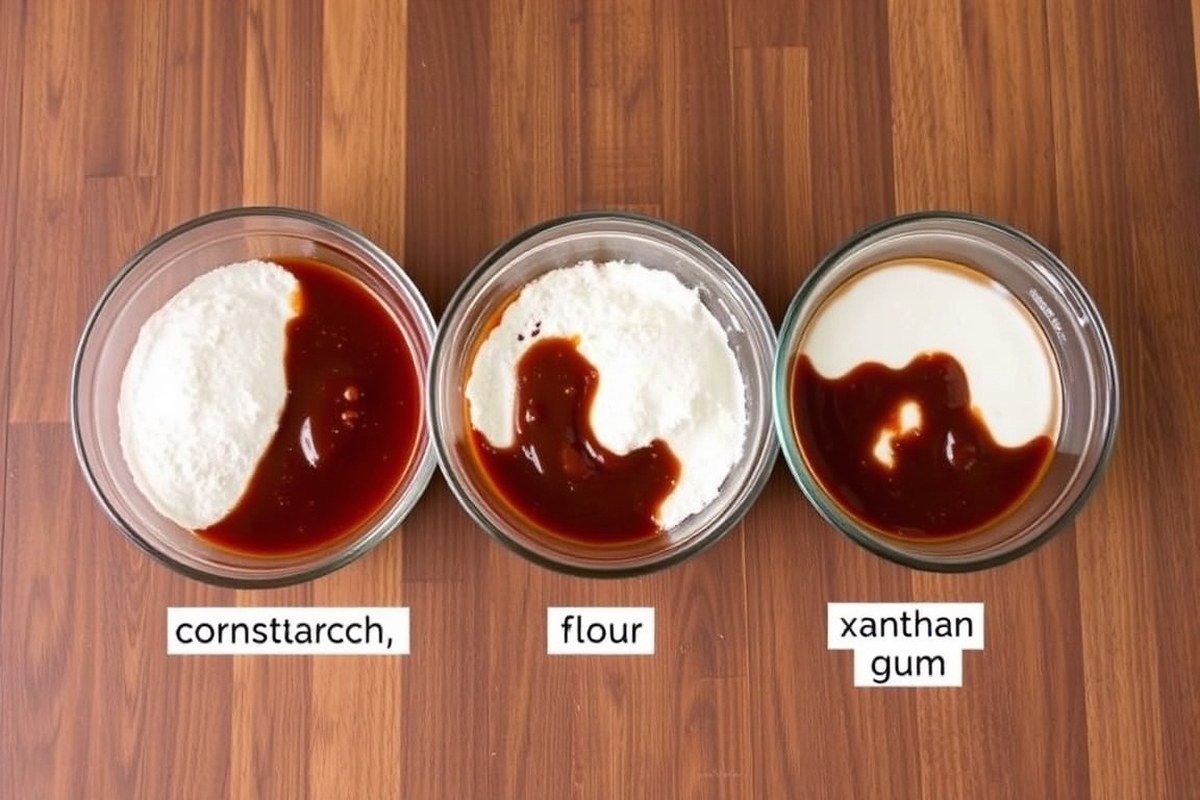
Thickening BBQ sauce uses various ingredients, each changing texture, flavor, and dietary fit. Flour and cornstarch both absorb liquid to thicken sauces. Cornstarch has a smoother texture and neutral taste, making it ideal when brushing sauce on ribs or meats. Flour lends a more opaque look and slightly floury flavor if not cooked thoroughly. Xanthan gum requires only a pinch; it thickens without heat and keeps sauces glossy. Tomato paste adds body and deepens flavor due to natural tomato solids. Dairy, like cream or sour cream, can thicken but may alter flavor and is less common in BBQ sauces. Gluten-free cooks favor cornstarch or xanthan gum, while keto-compatible thickening typically uses xanthan gum or tomato paste instead of carb-heavy flours.
| Thickening Agent | Effect on Texture | Flavor Impact | Diet Compatibility | Ease of Use |
|---|---|---|---|---|
| Cornstarch | Smooth, glossy | Neutral | Gluten-free, keto-friendly | Mix 1 tbsp cornstarch with 1 tbsp cold water per cup sauce; heat to thicken |
| Flour | Thick, slightly opaque | Mildly floury if not cooked well | Contains gluten | Mix flour with fat or water, cook thoroughly to avoid raw taste |
| Xanthan Gum | Thickens without heat, smooth | Minimal to none | Gluten-free, keto-friendly | Add tiny pinch slowly, whisk to avoid clumps |
| Tomato Paste | Thickens slightly, adds body | Improve tomato flavor | Gluten-free, low carb | Stir in 1 tbsp per cup sauce, simmer briefly |
| Dairy (Cream, Sour Cream) | Thickens and softens texture | Adds creaminess, changes BBQ flavor | Not vegan, contains lactose | Stir in at end of cooking, avoid high heat to prevent curdling |
Cornstarch stands out if you want quick thickening without altering taste or appearance, especially for gluten-free diets. Flour works but needs more careful cooking and is not gluten-free. Xanthan gum suits those on keto or gluten-free plans and thickens cold sauces. Tomato paste offers a natural flavor boost while adding thickness and works well in tomato-based BBQ sauces. Dairy brings richness but is best for sauces that benefit from creaminess. Choose your thickener based on the flavor profile, diet, and cooking process you prefer for your BBQ sauce.
4. Tips to Avoid Common Mistakes When Thickening BBQ Sauce
Common mistakes in thickening BBQ sauce often lead to an undesired texture or flavor. Over-thickening is one of the biggest errors, adding too much thickener like flour or cornstarch can make the sauce gluey or dull its flavor. Add your thickening agent gradually, stirring constantly to monitor consistency and taste. Another typical problem is lumps forming when adding powdered thickeners directly without mixing them first in a cold liquid. To fix lumps, whisk vigorously or strain the sauce through a fine mesh.
Timing is key in the thickening process. Add thickeners toward the end of cooking but while the sauce is still hot to activate their thickening properties properly. Holding off too long may leave your sauce too thin. When using reductions on the stove, allow slow simmering to build thickness naturally before adding additional thickeners.
- Stir consistently to prevent lumps and ensure even thickening.
- Add thickeners slowly and mix with cold water if needed before incorporating.
- Use a gentle simmer and avoid high heat to reduce burning or separating.
- Test thickness by coating a spoon; sauce should cling without dripping off quickly.
- Watch for flavor changes; some thickeners may alter taste or color.
- Remember BBQ sauce continues to thicken as it cools, so stop cooking once slightly thicker than desired.
Knowing when the BBQ sauce is perfect involves a mix of visual and tactile cues. The sauce should coat the back of a spoon with a smooth, glossy finish and drip off slowly, not pour like water. After removing from heat, let it cool a few minutes to see final thickness. If it firms too much on cooling, whisk in a little water or additional BBQ sauce to loosen. Avoid over-thickening by planning your thickening steps based on the sauce volume and intended use to get a satisfying texture that complements your grilled meats or sandwiches.
5. Special Situations: Thickening BBQ Sauce for Different Diets and Uses
Choosing the right thickening method depends on dietary restrictions and how you plan to use your BBQ sauce. For a Gluten-free BBQ sauce, avoid flour-based thickeners and opt for alternatives like cornstarch or arrowroot powder. These thickeners dissolve easily and don’t add flavor, preserving your sauce’s taste. Use 1 tablespoon of cornstarch mixed with 2 tablespoons of cold water per cup of sauce, then simmer for 2-3 minutes until clear and thickened.
Keto-friendly thickeners require low-carb ingredients. Xanthan gum and guar gum are popular because they work in small amounts (about 1/4 teaspoon per cup of sauce) without changing the flavor or adding carbs. Whisk them in gradually to avoid clumps. Another option is reducing the sauce slowly to evaporate water content, naturally thickening it while concentrating flavors.
Thickening without altering flavor is essential when you want to keep your sauce’s original profile. Neutral thickeners like arrowroot or xanthan gum are best for this purpose. Nuts and seeds can thicken BBQ sauce too but add noticeable flavor and texture. Ground almonds or sesame seeds may work if you want a nuttier sauce, but use them sparingly (1-2 tablespoons per cup) to prevent it from becoming gritty.
Thickening for Dipping usually calls for a sturdier, thicker sauce to stick to fries or meat pieces. Reducing the sauce on the stove or adding a little xanthan gum can give you that consistency. For Glazing, the sauce should be thick enough to coat but still flow easily when brushed on meats; a slightly thinner consistency from a light cornstarch slurry often works best. Keep the glaze warm to maintain good flow, reheating gently if it cools and thickens too much.
Step-by-Step Action Plan for Thickening BBQ Sauce
Follow these clear steps to thicken your BBQ sauce with confidence and get the right texture every time.
- Before you begin: Choose your thickening method based on your sauce type and dietary needs. For quick results, a cornstarch slurry works well; for richer flavor, reduction is ideal.
- First 5 minutes: To prepare a slurry, combine 1 tablespoon of cornstarch with 1 tablespoon of cold water for each cup of sauce. Stir this mixture in slowly over low heat, mixing constantly to prevent lumps. Within 1 to 2 minutes, the sauce will begin to thicken.
- First 10-20 minutes: For stove reduction, simmer the sauce on low to medium heat without a lid. Stir occasionally and watch for volume decrease and thicker texture, this may take 15 minutes or more depending on quantity.
- Halfway through cooking: Taste to check thickness and flavor. Adjust seasoning if necessary since reducing concentrates flavors.
- Finishing step: If the sauce is too thick after thickening, thin with a splash of water, apple cider vinegar, or stock to reach your preferred consistency.
- Cold test: Let a small amount cool to room temperature. The sauce’s final thickness appears more evident after cooling.
- Storage check: Store leftover thickened sauce in a sealed container and refrigerate. When the sauce becomes thicker, warm it gently while stirring in a small amount of liquid to loosen it before serving.
- Next use: Use thickened BBQ sauce within a week for best flavor and quality.
Frequently Asked Questions
What Is the Best Natural Thickener for BBQ Sauce?
Using tomato paste is a natural way to thicken BBQ sauce while boosting its rich flavor. It blends well and improve the tomato base without altering the taste significantly.
Can I Use Honey to Thicken BBQ Sauce?
Honey can thicken BBQ sauce slightly and add sweetness, but it may make the sauce too sticky if used in large amounts. Try small quantities to balance thickness and taste.
Does Adding Cheese Help Thicken BBQ Sauce?
Adding cheese is not a common method to thicken BBQ sauce and can change the flavor profile. It’s better suited for creamy or cheesy sauces rather than traditional BBQ sauce.
How Does Pectin Thicken BBQ Sauce?
Pectin thickens BBQ sauce by binding with water and creating a gel-like consistency. It works well if you want extra body without cooking the sauce down.
Can I Thicken BBQ Sauce with Mashed Vegetables?
Mashed vegetables like cooked onions or peppers can thicken BBQ sauce and add flavor complexity. Use them sparingly to avoid overpowering the sauce’s original taste.
The Bottom Line
Choosing the right thickening method depends on how much time you have and your dietary preferences, but reduction and cornstarch slurry are reliable choices. Knowing the texture you want before starting helps you avoid over-thickening. Try one method today with your next batch, and you’ll quickly see how easy it is to get that perfect BBQ sauce consistency.