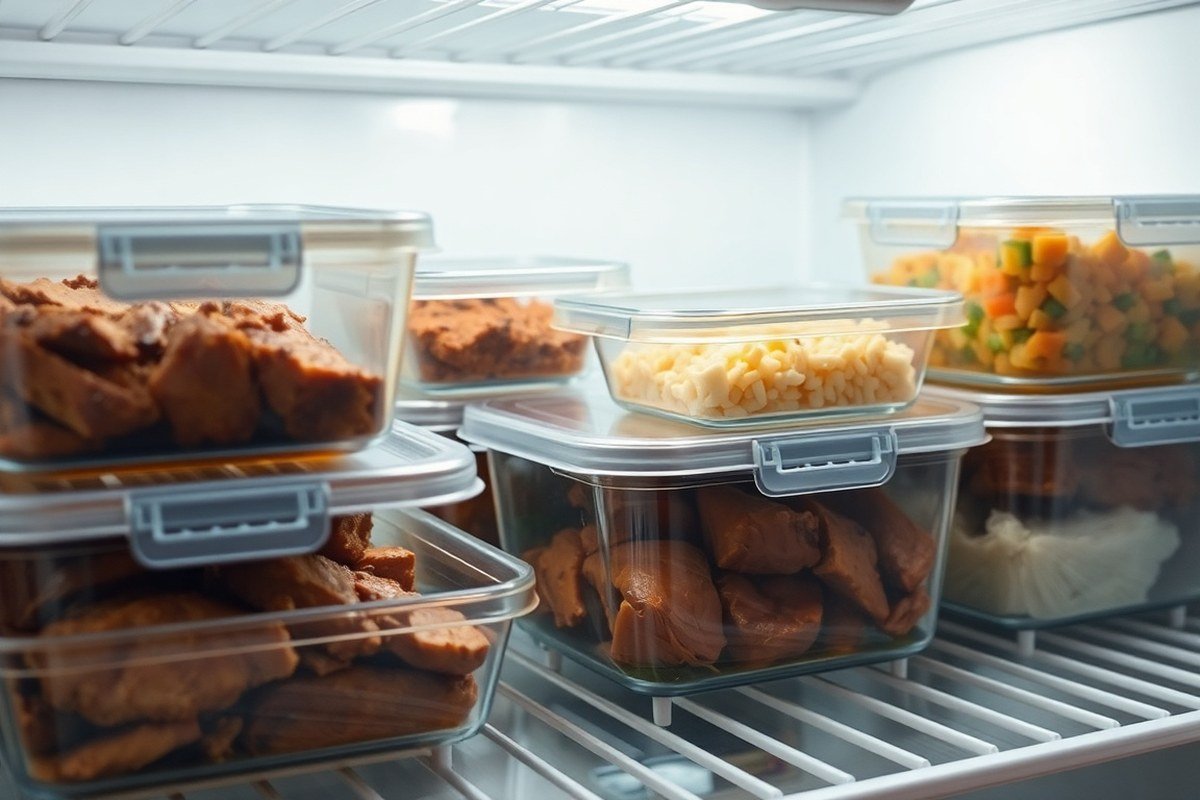
How Long Is BBQ Good for in the Fridge: A Complete Guide for Safety & Freshness
How long is BBQ good for in the fridge? Cooked BBQ stays safe and tasty for about 3 to 4 days when refrigerated promptly. Keep your fridge at or below 40°F, and refrigerate leftovers within 2 hours of cooking to slow bacteria growth and maintain freshness.
Key Takeaways
- Store cooked BBQ in airtight containers to prevent drying out and contamination.
- Refrigerate BBQ leftovers no later than 2 hours after serving, or within 1 hour if above 90°F.
- Keep your fridge below 40°F to ensure cooked BBQ stays safe for up to 4 days.
- Label containers with the date to track how long BBQ has been stored.
- Always reheat your leftover BBQ until it hits an internal temperature of 165°F to make sure it is safe to consume.
- Refreeze BBQ only if it thawed in the fridge and stayed under 40°F the entire time.
How Long Can Cooked BBQ Stay Safe in the Fridge?
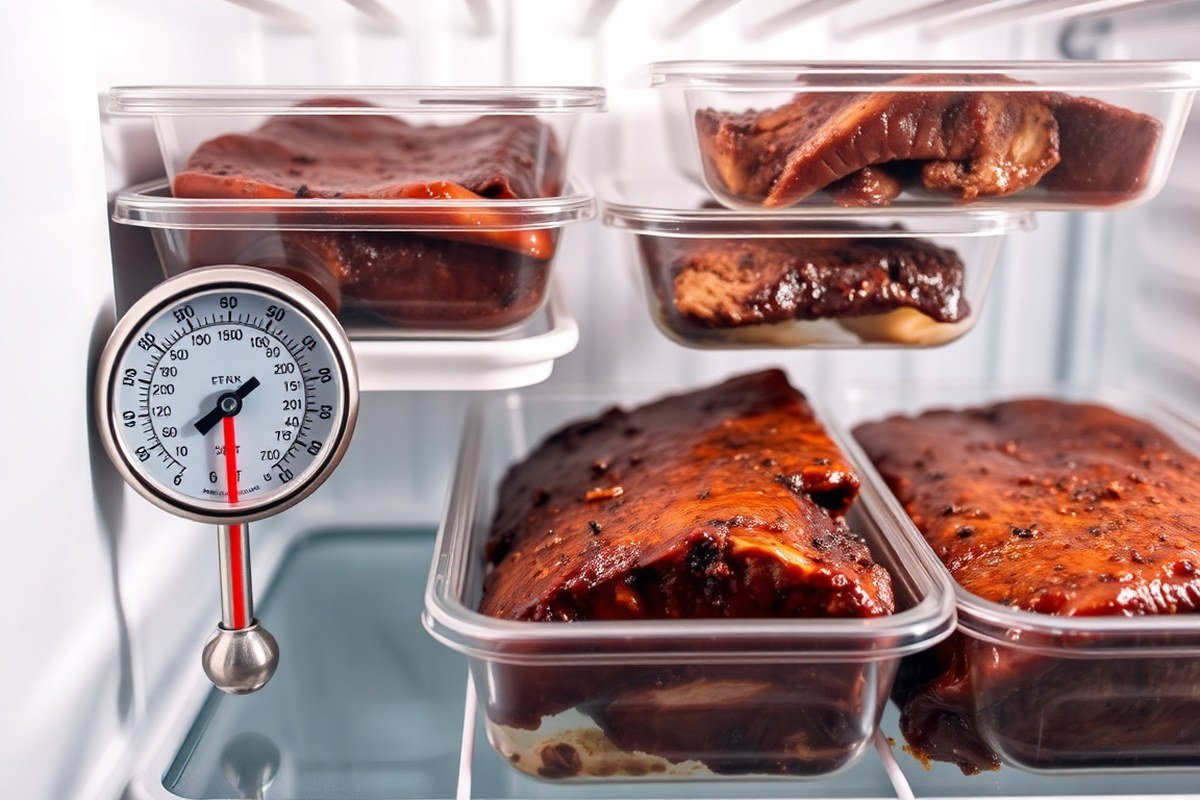
Proper temperature control keeps cooked BBQ safe to eat. Storing your refrigerator at or below 40°F (4°C) stops bacteria growth and preserves the meat’s freshness. Rapidly cooling the BBQ right after cooking helps extend its safe storage time.
Place cooked BBQ in the refrigerator within two hours after cooking. When outdoor temperatures rise above 90°F (32°C), that time drops to only one hour. This helps stop bacteria from growing when the food is left out too long.
Cooked BBQ will generally stay good for about 3 to 4 days when refrigerated correctly. Use airtight containers or wrap leftovers tightly to avoid moisture loss and contamination. Leftovers beyond this timeframe increase the risk of foodborne illness and can spoil, even if stored properly.
Reheat refrigerated BBQ to an internal temperature of 165°F (74°C), using a food thermometer to confirm. This temperature destroys most bacteria that might be present after storage. Avoid placing hot BBQ straight into the fridge, as this can raise the fridge’s temperature and spoil other foods.
Here’s a quick checklist for safe BBQ refrigeration: refrigerate BBQ at 40°F (4°C) or below, place leftovers in the fridge within two hours (one hour if hot outside), store in airtight containers, and use within 3 to 4 days. Always reheat to 165°F before serving. Following these steps helps keep your BBQ safe and enjoyable after your cookout.
How Different Types of BBQ Meats Affect Fridge Storage Time
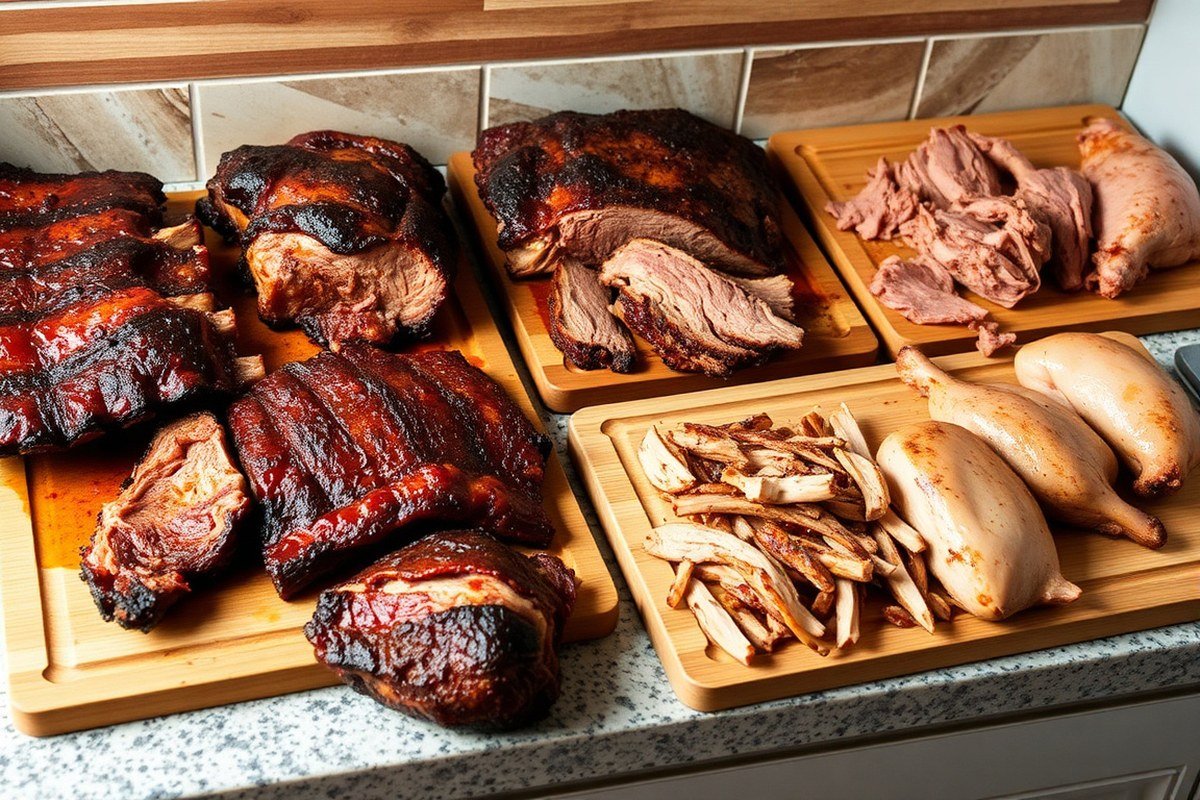
The type of BBQ meat and its cut slightly influence how long leftovers stay safe in the fridge. Most cooked BBQ meats, including poultry, pork, and beef, maintain quality for about 3 to 4 days when stored at 40°F or below. This general timeline accounts for smoked brisket, pulled pork, ribs, and chicken. Size or bone presence does not drastically alter this duration, but it can affect how you wrap and cool the meat.
| BBQ Type | Fridge Life (≤ 40°F) | Freezer Life (≤ 0°F) | Storage Tips |
|---|---|---|---|
| Brisket | 3, 4 days | 2, 3 months | Wrap tightly; slice as needed to speed cooling |
| Pulled Pork / Pork Shoulder | 3, 4 days | 2, 3 months | Store your BBQ leftovers in the freezer along with some of the cooking juices to help maintain moisture during thawing. |
| Smoked Ribs (Pork or Beef) | 3, 4 days | 2, 3 months | Wrap in foil, then a freezer bag |
| Smoked Chicken | 3, 4 days | 2, 6 months | Keep in sealed container; reheat thoroughly |
| Smoked Turkey | 3, 4 days | 2, 6 months | Pull meat off the bone before storing |
| Smoked Sausages | 4, 5 days | 2 months | Follow manufacturer’s instructions if pre-packaged |
BBQ sauce or marinade does not significantly extend or reduce the fridge storage time. Instead, focus on promptly cooling the meat and storing it airtight. Larger cuts like brisket or pork shoulder benefit from slicing before refrigeration to cool faster and avoid bacterial growth. For poultry, removing meat from the bone before storing can help keep the storage containers compact and prevent spoilage spots.
Best Practices to Store BBQ Properly in the Fridge
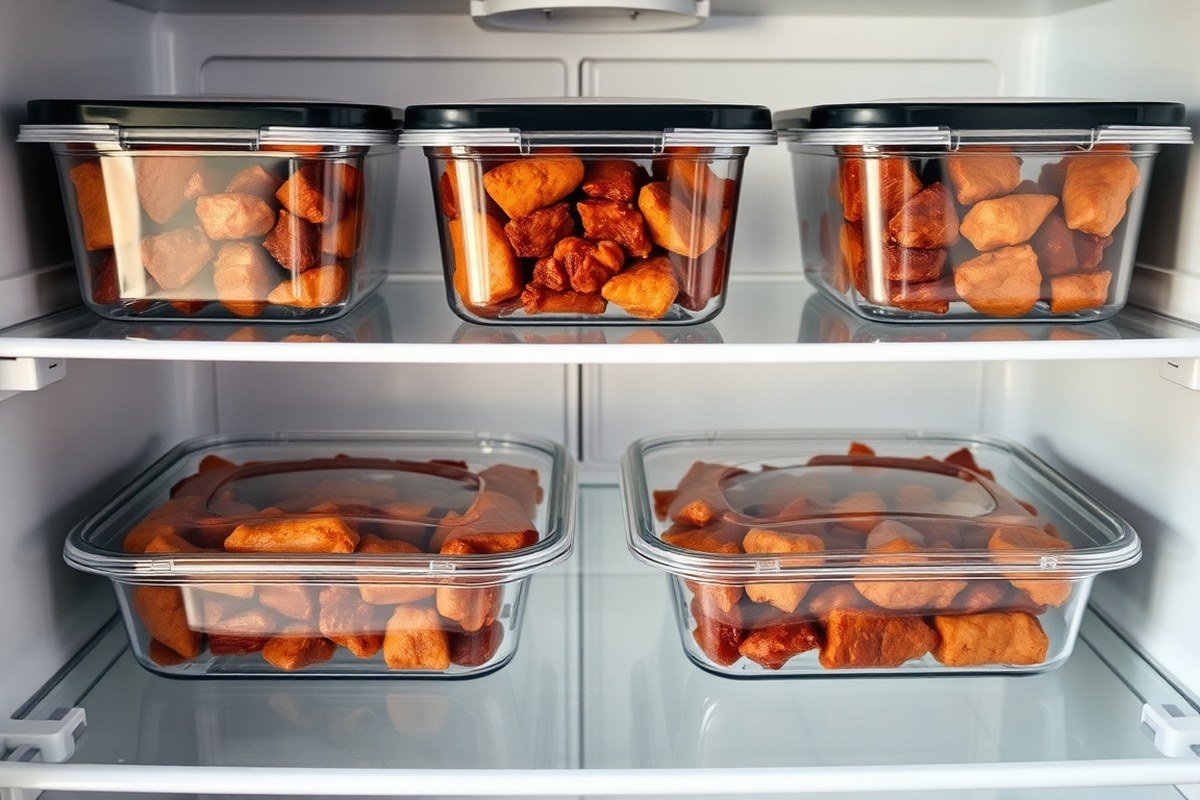
Proper storage containers are key to keeping your BBQ fresh and safe in the fridge. Use airtight containers or wrap your BBQ tightly with plastic wrap or aluminum foil to prevent air exposure, which can cause drying and bacterial contamination. Glass or BPA-free plastic containers with secure lids are good options, costing between $1 and $5 each. Avoid loosely covering leftovers, as this allows moisture loss and increases the risk of spoiling.
Cooling your BBQ quickly before refrigeration helps prevent bacteria from growing. Aim to refrigerate your leftovers within 2 hours of cooking, or within 1 hour if outdoor temperatures are above 90°F. Cut large portions into smaller pieces to speed up cooling. Leaving BBQ out for too long can increase the risk of foodborne illness. Once cooled, place your BBQ in the fridge set at 40°F or below. Using shallow containers helps the food chill evenly and more safely.
Regarding BBQ sauce, it can add flavor but doesn’t extend fridge life significantly. The safety clock for cooked BBQ stays around 3 to 4 days in the fridge, whether sauced or not. Sauces high in sugar or acid might slightly slow bacterial growth but cannot replace proper refrigeration and timely consumption. Always treat sauced leftovers the same as unsauced by storing them airtight, cooling promptly, and keeping them cold.
Labeling your containers with the date of storage helps track freshness, so you use the BBQ within the safe window. If you plan to keep it longer, freezing is a better option. Avoid stacking containers tightly when warm, as this traps heat. Proper handling costs little but ensures your BBQ retains its best taste and stays safe to eat. Follow these steps consistently for reliable results.
How to Spot When Your Leftover BBQ Has Gone Bad
Determining if your leftover BBQ is still safe to eat relies heavily on your senses. The first and most telling sign is smell. Fresh BBQ retains the smoky, savory aroma of the original cook. A sour, rancid, or otherwise off smell indicates spoilage. Discard any meat that smells unpleasant, as harmful bacteria may be present even if the odor is faint.
Appearance changes also signal spoilage. Look for discoloration such as gray or green spots that differ from the normal cooked color. A slimy or sticky texture on the surface of the meat means bacteria or mold could be growing. These textures feel different from freshly cooked or properly refrigerated BBQ, which should be moist but not slippery.
Eating BBQ after four days in the fridge may be safe only if it has been stored at or below 40°F (4°C) and shows no signs of spoilage. However, the USDA advises consuming refrigerated cooked meat within 3 to 4 days for best safety. Your BBQ should be checked carefully if it has been stored for an extended period. When in doubt, throw it out to avoid the risk of foodborne illness.
Leaving BBQ out at room temperature beyond two hours allows bacteria to grow quickly. Between 40°F and 140°F, bacteria can multiply every 20 minutes, increasing the risk of foodborne illness, even if the meat looks and smells fine. To prevent this, store leftovers in the fridge or freezer promptly after serving.
Before eating leftover BBQ, Perform a quick inspection: smell for off odors, look for dull or spotted discoloration, and check for slimy texture. Always reheat leftovers to at least 165°F (74°C) to remove harmful bacteria. Label your containers with dates, so you can track how long the BBQ has been stored and avoid guessing about freshness.
Freezing Leftover BBQ: How Long It Lasts and How to Do It Right
Freezing leftover BBQ can significantly extend its storage life by slowing down bacterial growth. While food kept at 0°F (-18°C) or below is safe indefinitely, quality will decline over time as freezing affects the texture and moisture of the meat. To maintain the best flavor and tenderness, it’s best to consume frozen BBQ within a recommended timeframe.
Use freezing to preserve leftover BBQ beyond the safe fridge storage time to prevent waste. Divide the BBQ into individual portions and place them in airtight containers or sturdy freezer bags, squeezing out extra air. Mark each package with the date before freezing to monitor freshness.
| Type of BBQ | Recommended Freezing Time for Best Quality |
|---|---|
| Pulled pork | 2 to 3 months |
| Brisket | 2 to 3 months |
| Ribs | 1 to 2 months |
| Chicken BBQ | 4 months |
To thaw frozen BBQ safely, place it in the refrigerator for 24 hours per 5 pounds, or use the defrost setting on your microwave if you plan to eat it immediately. After thawing, consume the meat within 3 to 4 days. Avoid refreezing BBQ that has been thawed in the refrigerator unless you first reheat it to 165°F (74°C), as this limits bacterial growth.
Expect some changes in texture and flavor after freezing and thawing. Meats can become drier and less tender, especially if frozen beyond the recommended time or if packaging allows moisture loss. Using marinades, wrapping tightly, and reheating gently can help reduce these effects and preserve your BBQ’s taste.
Best Ways to Reheat BBQ Without Losing Moisture or Flavor
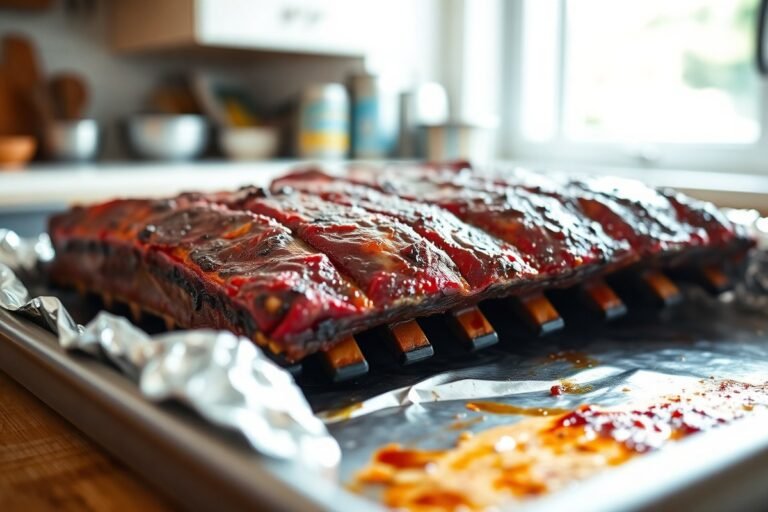
To safely reheat leftover BBQ while keeping it moist and flavorful, slowly cook it until the internal temperature reaches 165°F (74°C). Set your oven between 225°F and 250°F, wrap the meat tightly in aluminum foil, and place it on a baking tray. Heat until the thermometer shows 165°F inside, warming the meat thoroughly without drying it out or burning.
For larger cuts like brisket or ribs, reheating slowly at low temperatures is especially important. You can use a smoker or oven set around 225°F to gradually raise the internal temperature. Keep the meat wrapped to retain juices and check with a thermometer to avoid going over 165°F by much, since excess heat can dry the meat and reduce flavor.
Smaller servings of BBQ can be reheated in the microwave, but you should do so with caution. Place the BBQ in a microwave-safe dish, cover to hold in moisture, and heat in short intervals, stirring or flipping the meat if needed. Check the temperature frequently to ensure it reaches 165°F without overheating. Avoid high heat settings to prevent dryness.
Always reheat only the amount you plan to eat, then serve right away. This prevents repeated heating and cooling, which can increase food safety risks and degrade flavor. Use a food thermometer to confirm the meat hits the safe temperature in the thickest part before serving.
Common BBQ Storage Myths That Put Food Safety at Risk
One common myth is that vacuum sealing leftover BBQ lets you keep it in the fridge for longer than 3 to 4 days. Vacuum sealing slows down quality loss and freezer burn but does not extend the safe refrigeration time for cooked meats. Food safety authorities recommend consuming all cooked BBQ within 3 to 4 days when stored at or below 40°F (4°C). Storing beyond this period risks spoilage and increases the chance of foodborne illness.
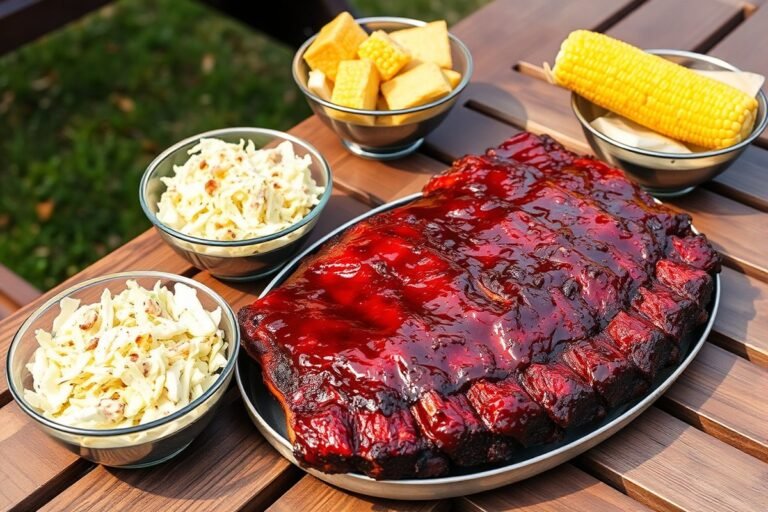
Many people assume that mayo-based sides, like coleslaw or potato salad, last as long as the BBQ meat itself. These sides are more perishable and generally only remain safe for 2 to 3 days in the fridge. Mayo can promote bacterial growth faster, so it’s critical to store these separately in airtight containers and consume them sooner to avoid health risks.
The temperature of BBQ before putting it in the fridge affects its safety. At outdoor gatherings where the temperature hits 90°F (32°C) or higher, refrigerate leftovers within 1 hour. Bacteria multiply quickly between 40°F and 140°F (4°C to 60°C), known as the “danger zone,” so limiting the time food stays out is essential. In indoor environments below 70°F, leftover BBQ can sit out for up to 2 hours before refrigeration, though quicker storage is safer.
Cooking BBQ thoroughly does not mean leftovers can stay out longer. Meat cooked to 165°F (74°C) or more kills bacteria at first, but bacteria can grow again once the meat cools. Keeping leftovers refrigerated promptly helps prevent bacterial growth and keeps the BBQ tasting fresh. Storing food late or reheating leftovers many times raises the chance of spoilage and foodborne illness.
Step-by-Step Action Plan for Safely Storing and Reheating BBQ
Follow these steps to keep your leftover BBQ fresh, safe, and delicious through its lifespan in your fridge and freezer.
- Right after cooking: Cool your BBQ to room temperature, but don’t leave it out longer than 2 hours to avoid bacteria growth.
- Within 2 hours: Slice or portion the meat, then store it in shallow, airtight containers to speed up cooling and keep flavor locked in.
- Day 1: Place the containers in the fridge at 40°F (4°C) or below. Check that the fridge temperature stays consistent to ensure safety.
- Day 3-4: Use or freeze leftover BBQ. Notice any unusual smells, slimy feel, or color shifts? Throw the leftovers away right away to keep from getting sick.
- Freezing phase (optional): Wrap BBQ tightly in foil or freezer bags, removing excess air, and label with the date. It should keep quality for up to 2-3 months.
- Reheating day: Heat BBQ until it reaches 165°F (74°C) inside. Use covered foil in the oven or reheat on low heat on the stove with added moisture to keep it tender.
- After reheating: Consume the BBQ right away; do not reheat more than once to maintain safety and taste.
Frequently Asked Questions
How Long Is Cooked BBQ Good for in the Fridge?
Cooked BBQ is good for 3 to 4 days in the fridge at or below 40°F. Label leftovers with the date to track freshness and avoid eating them past their safe storage time.
Does BBQ Last Longer in the Fridge If It’s Smoked or Grilled?
Smoked and grilled BBQ generally lasts the same 3 to 4 days in the fridge. The cooking method doesn’t extend fridge storage; proper refrigeration is key to safety and quality.
Can You Store BBQ Sauces with Leftover Meat in the Fridge?
Yes, keeping BBQ sauces with meat can help maintain moisture and flavor. Store everything in airtight containers at 40°F or below for up to 3 to 4 days to keep it safe.
Is It Safe to Eat BBQ Left Out Overnight Before Refrigerating?
No, BBQ left out more than 2 hours (1 hour if above 90°F) is unsafe to eat. Bacteria can multiply rapidly, increasing the risk of foodborne illness.
Why Does Leftover Sausage BBQ Last Longer in the Fridge Than Other BBQ Meats?
Sausages can last 4 to 5 days in the fridge due to curing and preservatives. Other BBQ meats typically last only 3 to 4 days. Store all at or below 40°F to keep them safe.
Final Thoughts
Properly storing your BBQ in the fridge keeps it safe for up to four days, with freezing extending that time significantly. Watch for spoilage signs and store your meat in airtight containers as soon as it cools. Next time you finish a BBQ cookout, set up your storage containers early so your leftovers stay fresh and ready for the next meal.