How Long to BBQ Tri Tip for Perfect Flavor: Complete Timing Guide
How long to BBQ tri tip depends on the cooking method and desired doneness. For medium-rare, plan about 20 to 30 minutes total on the grill, starting with a high-heat sear and finishing with indirect heat. Smoking it low and slow takes 1.5 to 2 hours at 225°F for tender, flavorful results.
Start by searing the tri tip for 4 to 5 minutes per side to build a crust. This step locks in juices and sets the stage for even cooking during the next phase.
Key Takeaways
- Start by placing the tri tip on high heat, near 480°F, and sear each side for 4 to 5 minutes to develop a tasty crust before moving to indirect cooking.
- Grill on indirect heat at 250-275°F for 20-30 minutes to reach medium-rare doneness efficiently.
- Use a digital thermometer to check internal temperature aiming for 130-135°F before resting for perfect flavor.
- Maintain the grill temperature at 225°F for smoking, and cook the tri tip for 1.5 to 2 hours until the internal temperature reaches 125-130°F.
- After cooking, rest tri tip for 10-15 minutes to redistribute juices and prevent dryness.
- Resting is essential to improve tenderness and flavor, so don’t skip it before slicing.
How Long to BBQ Tri Tip for Medium-Rare and Other Doneness
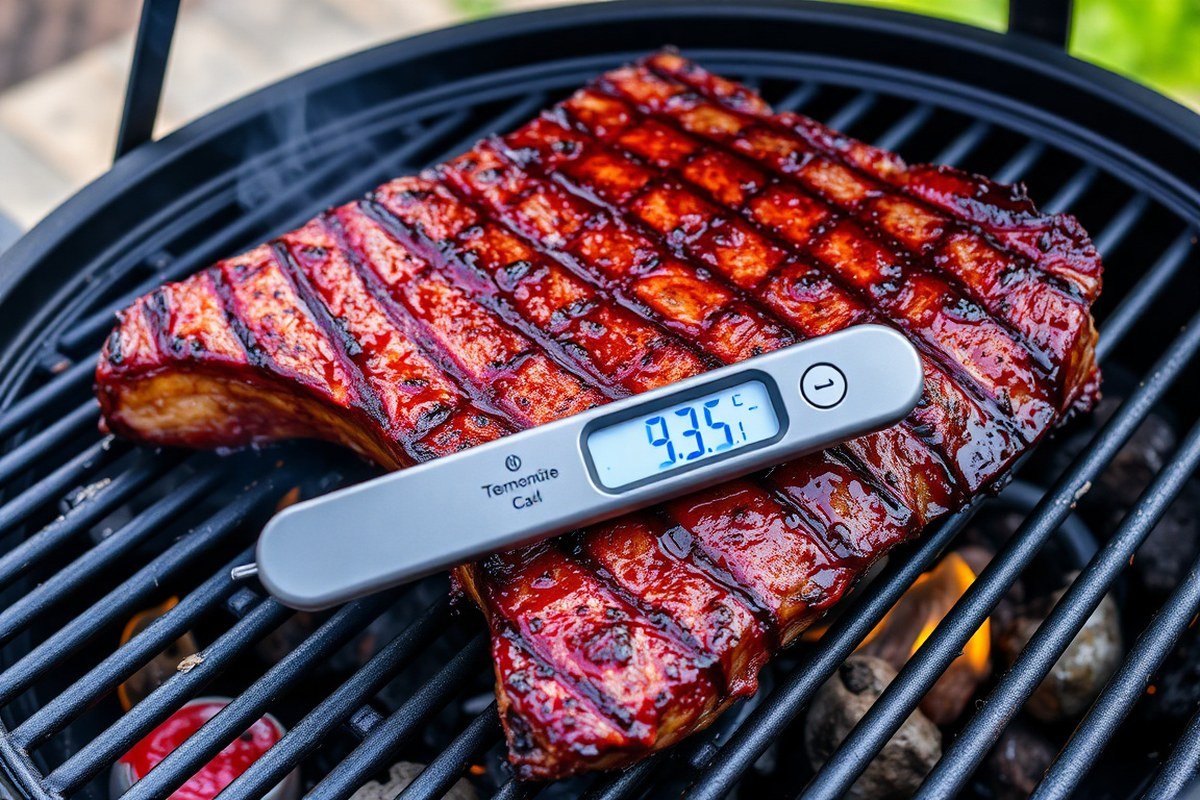
BBQ tri tip cooking times and internal temperatures vary by the desired doneness level, and using a reliable digital thermometer ensures the best results. For medium-rare tri tip, aim for an internal temperature between 130°F and 135°F. Typically, this means grilling the tri tip for about 25 to 30 minutes total, flipping every 12 to 15 minutes to promote even cooking. Cooking times depend on the thickness of the cut and grill temperature but generally follow these ranges:
| Doneness Level | Internal Temperature (°F) | Approximate Total Cooking Time |
|---|---|---|
| Rare | 120, 125 | 20 to 25 minutes |
| Medium-Rare | 130, 135 | 25 to 30 minutes |
| Medium | 140, 145 | 30 to 35 minutes |
| Medium Well | 150, 155 | 35 to 40 minutes |
| Well Done | 160+ | 40 to 45 minutes |
Carryover cooking means you should remove the tri tip from the grill a few degrees below your target temperature. For medium-rare, take the tri tip off the heat at about 125°F to 130°F. The internal temperature will rise another 3 to 5 degrees during resting, which typically lasts 10 to 15 minutes. This step helps keep the meat juicy and prevents overcooking.
Adjust cooking times if your grill temperature dips below or climbs above 350°F; lower heat may push cooking longer, while higher heat speeds it up but risks tougher meat. Smoking tri tip at 225°F requires 90 minutes to 2 hours to reach medium-rare, so plan accordingly when using different BBQ methods.
Step-by-Step BBQ Tri Tip Cooking Process and Timing
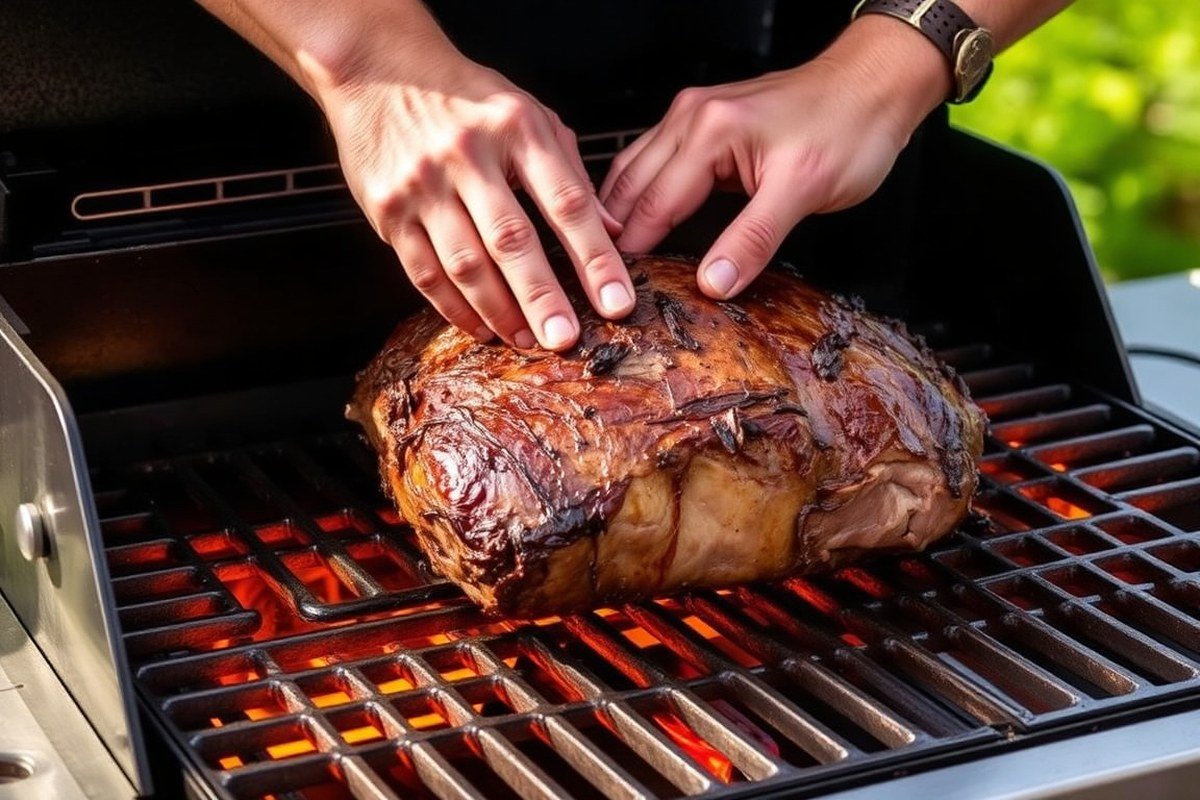
Barbecuing tri tip requires careful timing and heat management to develop flavor and tenderness. You’ll start with prepping and preheating, move through searing to lock in juices and create a crust, cook over indirect heat to reach the right internal temperature without drying out, and finish by letting the meat rest to redistribute juices for optimal flavor and texture. Below is a detailed sequence to follow.
- Preheat the grill to high heat, about 480°F (250°C) for searing, and set up an indirect heat zone at around 275°F (135°C). This temperature setup is essential for controlling cooking phases.
- Season and place the tri tip on the hot, direct heat side. Sear each side for 4 to 5 minutes. This quick, high-heat sear forms a flavorful crust and helps lock in juices.
- Move the tri tip to indirect heat after searing. Cook it through at 275°F for about 20 to 30 minutes until the internal temperature reaches roughly 100°F. This slower cook gently raises the temperature without burning the crust.
- Return the tri tip to direct heat for a second sear, about 5 to 7 minutes per side. This step intensifies the crust and seals in flavor after the indirect cooking phase.
- Remove the tri tip from the grill and rest it for 10 to 15 minutes, loosely covered with foil. This resting period allows juices to redistribute evenly, preventing dryness when sliced.
Use a meat thermometer to check temperatures accurately during indirect cooking. Bringing the internal temperature to about 100°F before the final sear prevents overcooking and improves tenderness. Resting time is as important as the cooking itself because it makes the difference between juicy slices and dry meat. This sequence balances high heat and gradual cooking stages to produce a tri tip ready for flavorful, tender bites.
How Grill Temperature and Method Affect BBQ Tri Tip Timing
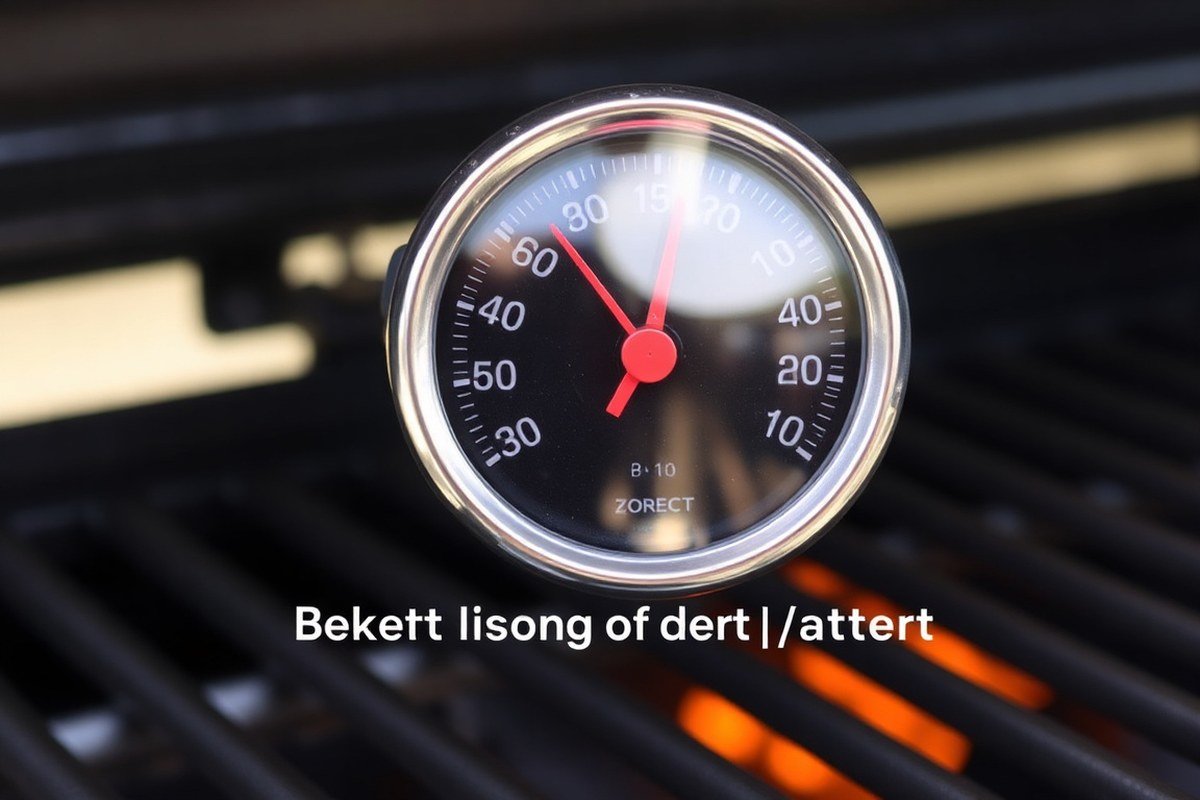
Grill temperature and method significantly affect BBQ tri tip timing by controlling how quickly heat penetrates the meat and how flavor develops on the surface. Searing requires high heat, typically around 500°F to 600°F, to quickly develop a browned crust in 3 to 5 minutes per side before moving to indirect heat for slower cooking. For indirect cooking, maintain the grill temperature near 400°F, allowing the tri tip to cook evenly for about 20 to 30 minutes depending on size and desired doneness.
Smoking tri tip uses lower temperatures, usually between 225°F and 275°F, which extends cooking time considerably, often to 1.5 to 3 hours, as the smoke slowly infuses flavor while gently cooking the meat. This method requires patience and steady temperature control to avoid drying out the meat.
The reverse sear method combines indirect cooking and searing in a specific order. Start by cooking the tri tip slowly over indirect heat at 225°F to 275°F until the internal temperature is about 10°F below your target doneness. Then finish with a quick, high-heat sear at 500°F to 600°F for 2 to 4 minutes per side. This approach prevents the outside from overcooking and helps maintain a tender, evenly cooked interior.
Using a gas grill offers precise temperature control and quicker heat adjustments, making it easier to manage searing and indirect zones. Charcoal grills usually take longer to reach consistent temps and require more attention to airflow and fuel management to maintain steady heat. Timing on charcoal may need to be adjusted by 10 to 20 minutes longer for indirect cooking, depending on how well the fire holds.
Temperature control tips include setting up two zones on your grill: a hot zone at 500°F to 600°F for searing and a cooler zone around 225°F to 400°F for indirect cooking. Use a reliable meat thermometer to monitor internal temperatures rather than relying solely on time. Keep the lid closed during cooking to maintain steady heat, opening only briefly to flip or check progress.
Why Resting Tri Tip Is important and How Long to Rest
Resting tri tip after grilling is essential to lock in juices and boost flavor. After you take the tri tip off the grill, the meat’s internal juices, which have been pushed toward the center during cooking, need time to redistribute evenly. Without resting, cutting into the meat right away can cause those flavorful juices to spill out onto the cutting board, leaving your tri tip drier and less tasty.
The recommended resting time for tri tip is generally 10 to 15 minutes for a 1.5 to 2.5-pound roast. This pause gives the internal temperature a chance to stabilize and the juices to settle. Resting too briefly, under 5 minutes, won’t return juice to the outer meat, while resting too long, beyond 20 minutes, might cause the tri tip to cool off more than desired unless wrapped properly.
Remove the tri tip from the grill and set it on a clean cutting board or a heat-resistant plate. Tent the meat with aluminum foil by draping it loosely, avoiding any pressure on the surface. This method keeps the meat warm but lets steam vent, avoiding moisture buildup that could soften the crust. Use an instant-read thermometer to verify that the tri tip’s temperature stays the same or goes up slightly while resting.
The cost of skipping resting is a noticeable loss in juiciness and tenderness, which directly impacts the eating experience. For example, slicing immediately after grilling often results in a dry, tough texture. Resting gives you time for the fibers to relax and retain moisture. This extra step takes only minutes but makes a significant difference between a bland and dry tri tip and one that’s juicy and flavorful.
Common BBQ Tri Tip Timing Mistakes and How to Fix Them
Overcooking tri tip typically results in dry, tough meat because the internal juices evaporate as the temperature rises beyond the ideal range. Under-searing means the surface doesn’t develop enough crust, which diminishes flavor and texture. Uneven cooking comes from temperature swings on the grill or starting with meat that is too cold, causing some parts to cook faster than others and leaving the tri tip patchy in doneness.
To avoid these issues, start by removing the tri tip from the refrigerator at least 30 to 60 minutes before grilling. Bringing it to room temperature promotes an even cook throughout. Pat the meat dry just before placing it on the grill to improve searing, then brush a light coat of olive oil to assist with crust formation. Use both direct and indirect heat zones on your grill to control the cooking process effectively.
- Set up your grill with a hot direct heat side (around 450°F) for searing and a cooler indirect heat side (around 250°F) for finishing the cook.
- Sear the tri tip for about 5 minutes per side over direct heat to create a deep crust.
- Move the tri tip to indirect heat and monitor internal temperature with a meat thermometer to avoid overcooking; pull it off at 130°F for medium-rare.
- Rotate or reposition the meat every 5 to 7 minutes during indirect cooking to encourage even heat exposure.
- Let the tri tip rest 10 to 15 minutes off the grill to allow juices to redistribute, which keeps the meat tender and moist.
- If you catch overcooking early (temperature rising too fast), reduce grill heat or move the tri tip to cooler indirect zones.
- For uneven searing, ensure the grill grate is clean and hot before placing the meat down, and avoid moving the tri tip too frequently.
Correcting timing mistakes means staying attentive with a thermometer and controlling grill zones. Even with some timing errors, adjusting heat and repositioning the tri tip can recover texture and flavor. The goal is balancing searing and slow finishing for a juicy, tender result.
How to Slice Tri Tip for Maximum Tenderness and Flavor
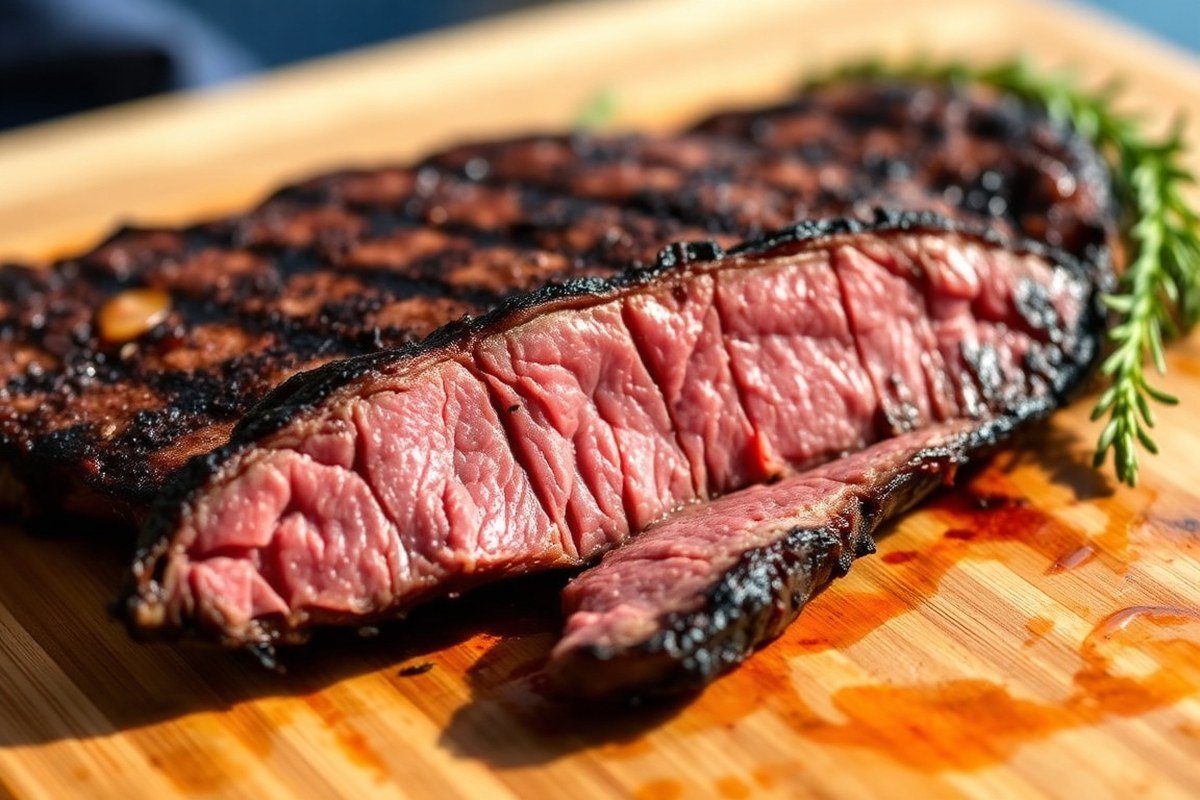
To slice tri tip for maximum tenderness and flavor, start by identifying the grain direction. The grain refers to the lines of muscle fibers running through the meat, which often change direction in a triangular cut like tri tip. Look closely at the surface of the meat to spot these lines. The grain typically runs lengthwise, but it can shift near the thicker or thinner edges, so take a moment to observe each section.
Cutting against the grain means slicing perpendicular to those muscle fibers. This shortens the fibers in each piece, making the meat easier to chew and improving tenderness. Slicing with the grain keeps the longer muscle fibers intact, which results in a chewier texture. Use a sharp knife to make clean cuts, which helps retain the juices inside the meat.
After cooking, let the tri tip rest for about 10 to 15 minutes before slicing. Resting allows the juices to redistribute evenly, preventing them from escaping once the meat is cut. For slicing, aim for about ¼ inch thick slices to provide a nice balance between tenderness and flavor intensity in each bite. Go slowly and keep your cuts straight across the grain, adjusting the angle as the grain changes direction in the meat.
When grilling a larger tri tip, slicing the sections with different grain patterns separately helps keep tenderness consistent. For instance, if the grain direction shifts, rotate the meat or your cutting angle accordingly rather than slicing in one continuous direction. This simple technique ensures every slice offers the best texture and taste from your barbecue efforts.
Preparing and Using the Right Equipment for Timed BBQ Tri Tip Cooking
A quality digital meat thermometer plays a key role in grilling tri tip perfectly. Place the probe into the meat’s thickest section to monitor the internal heat closely. Target a temperature between 125°F and 130°F for medium-rare. Relying on this method removes guesswork and reduces the chance of overcooking. Prices vary from around $15 up to $50, with instant-read devices providing quicker results.
Setting up a Two-zone grill allows control over cooking speed and temperature. Arrange your charcoal or gas burners so one side reaches around 400°F for searing, and the other side remains cooler for indirect cooking. This setup gives flexibility to start the tri tip over high heat, then move it to the cool zone to finish cooking evenly without burning. Maintaining stable temperatures requires monitoring by a grill thermometer or built-in gauge.
- Digital instant-read thermometer for internal temperature checks
- Grill thermometer to monitor ambient grill temperature
- Tongs with long grips for safe and precise meat handling
- Heat-resistant gloves to protect hands when moving hot meat
- Aluminum foil for resting the tri tip after grilling
- A chimney starter or gas control for easy two-zone setup
Tongs with a strong grip help you move the tri tip smoothly between heat zones without piercing the meat. Using heat-resistant gloves adds safety when managing hot grill components or foil rests. After cooking, wrapping the tri tip loosely in foil allows carryover cooking and temperature equalization. Follow your thermometer over the clock for best timing results to get impressive, juicy tri tip every time.
Step-by-Step Action Plan for Perfect BBQ Tri Tip
Follow these precise steps to grill your tri tip with confidence, ensuring great flavor and ideal doneness every time.
- Before you start: Season the tri tip with your preferred rub or marinade and let it rest at room temperature for 30 to 45 minutes. This helps the seasoning penetrate and ensures even cooking.
- Preheat the grill: Heat your grill to medium-high, around 400°F. You’ll know it’s ready when you can hold your hand about 4 inches above the grate for 4 to 5 seconds before needing to pull away.
- Start with a sear: Place the tri tip over direct heat and sear for 4 to 5 minutes per side to build a flavorful crust.
- Move to indirect heat: Transfer the tri tip to a cooler part of the grill. Cook for about 20 to 30 minutes, until an instant-read thermometer shows 130°F for medium-rare.
- Rest your tri tip: Remove from the grill and tent with foil. Let it rest for 10 to 15 minutes so juices redistribute and the temperature rises slightly.
- Slice properly: Cut thin slices against the grain to keep the meat tender and juicy.
Frequently Asked Questions
What Is the Best Way to Tell When Tri Tip Is Done Cooking Without a Thermometer?
You can check doneness by pressing the meat; it should feel firm but springy for medium-rare. Use the finger test to compare firmness to the fleshy part of your hand below the thumb for a rough guide.
Can I Cook Tri Tip Entirely over Direct Heat, and How Does That Affect Timing?
Cooking tri tip solely over direct heat is possible but riskier; it cooks faster but can burn outside before inside is done. To avoid this, keep the heat medium and watch closely to prevent overcooking or flare-ups.
How Does Wrapping Tri Tip in Foil During Cooking Change the Cooking Time?
Wrapping tri tip in foil will slow the cooking process by trapping steam and heat, extending the time by about 30-60 minutes. This low and slow method keeps meat moist but requires careful monitoring to avoid overcooking.
Does Marinating Tri Tip Affect How Long It Should Be BBQ’d?
Marinating doesn’t significantly change grilling time but can add moisture and flavor. Marinades with acids may slightly tenderize the meat, so expect a similar cooking time but potentially improved juiciness.
How Should I Adjust Cooking Time for Smaller or Larger Tri Tip Cuts?
For smaller cuts under 1.5 pounds, reduce cooking time by 5-10 minutes; larger cuts over 2.5 pounds need 10-15 minutes more. Always rely on internal temperature rather than time alone for consistency.
Final Thoughts
Grilling tri tip for the perfect medium-rare is about balancing direct and indirect heat, timing, and resting. You can start this weekend with a simple sear and indirect grilling, monitor the internal temperature, and rest for at least 10 minutes before slicing. Grab a reliable instant-read thermometer for your next BBQ to make sure your tri tip comes off the grill just right.