How Much Meat per Person for BBQ: A Complete Guide to Portioning Right
How much meat per person for BBQ depends on the event and appetite, but a good rule is 1 to 1.5 pounds of raw meat per guest. This covers the average consumption after cooking losses, ensuring enough for everyone without excessive leftovers. Start by deciding if BBQ will be the main focus or part of a mixed menu to estimate portions accurately.
Key Takeaways
- Plan for 0.8 to 1.1 pounds of raw meat per person, adjusting for bone-in or boneless cuts.
- Expect about 25% weight loss from raw to cooked meat due to moisture and fat rendering.
- For single meats like brisket, aim for 1/3 to 1/2 pound cooked meat per person.
- When serving burgers and hot dogs, allocate roughly 1/4 pound of meat and two hot dogs per person.
- Customer appetite and event type can increase or decrease portion sizes by 25% or more.
- Use side dishes and salads to balance meat portions and reduce overall meat quantity needed.
How Much Meat per Person Do You Need for a BBQ?
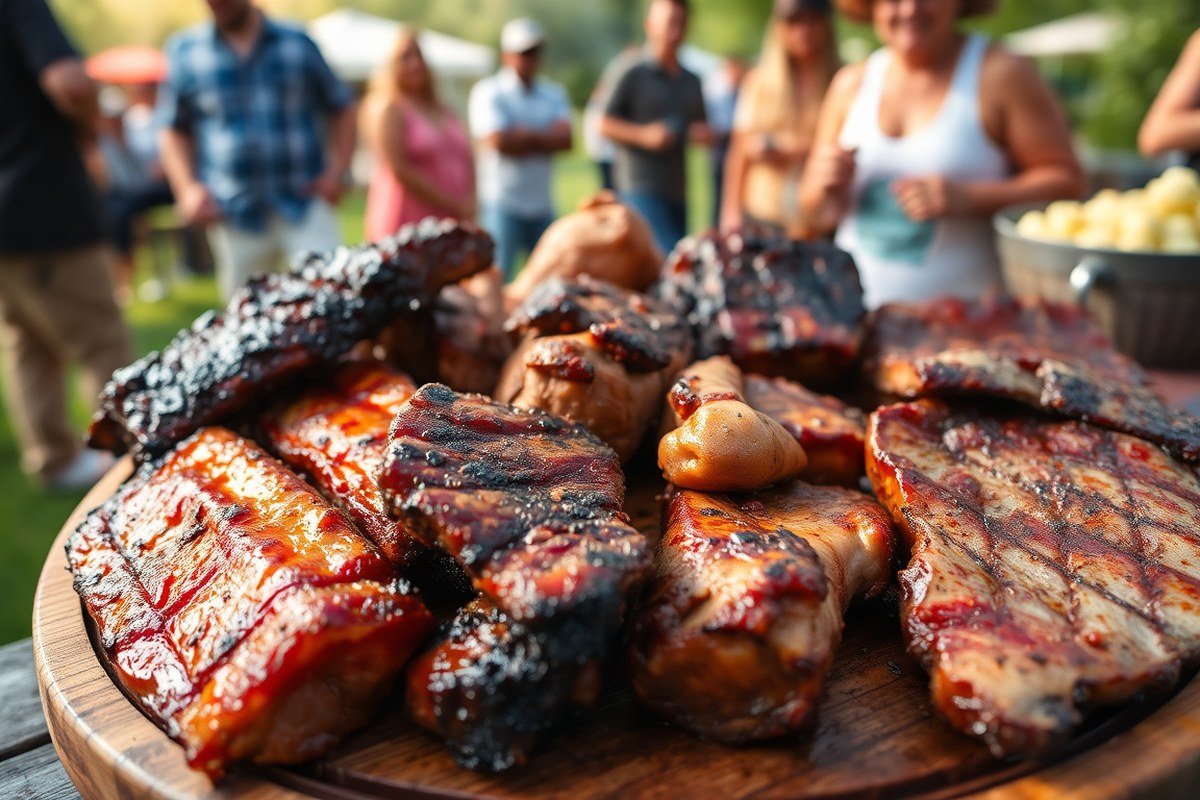
Plan on about 6 to 8 ounces of cooked meat per person for most BBQs to ensure everyone has enough. This amount varies depending on the meat type and the event style, but it covers casual and family gatherings well. For burgers, typically you’ll want two quarter-pound patties, which equals about 0.4 pounds cooked per person after about 20% shrinkage. For chicken pieces like thighs and drumsticks, plan roughly 0.5 pounds cooked, which accounts for a 15% weight loss from raw to cooked.
For larger cuts like brisket, expect a 40% loss during cooking. Buying ¾ to 1 pound of raw brisket per person will yield about ½ pound cooked meat. Pulled pork requires about ½ to ¾ pound raw per person, yielding a cooked portion around ⅓ to ½ pound, factoring in roughly 35% shrinkage. Ribs, being bone-in and heavier, need about 1 to 1¼ pounds raw per person to get ¾ pound cooked meat with about 25 to 30% loss.
A simple way to convert raw meat weights to cooked servings is: Raw weight ÷ (1 – Shrinkage percentage) = Cooked weight. For example, if shrinkage is 30%, divide the raw weight by 0.7 to estimate cooked meat. Using brisket with 40% loss, 0.8 pounds raw ÷ 0.6 = about 0.48 pounds cooked.
Here’s a brief comparison: Burgers need 0.5 pound raw for 0.4 pound cooked. Chicken bone-in thighs need about 0.6 pound raw to yield 0.5 pound cooked. Pulled pork requires 0.5 pound raw per person for roughly 0.275 cooked. Ribs need about 1 pound raw to make around 0.75 pound cooked. Brisket’s higher shrinkage means buying ¾ to 1 pound raw per person for a ½ pound cooked portion.
Adjust these portions if you serve multiple meats or add heavy sides, which lowers the amount each guest will eat. Larger or hungrier crowds might require slightly more raw meat to achieve these cooked portions per person. Following these calculations helps prevent running short or overspending on meat for your BBQ.
How to Adjust Meat Quantities Based on Guest Appetite and Event Type
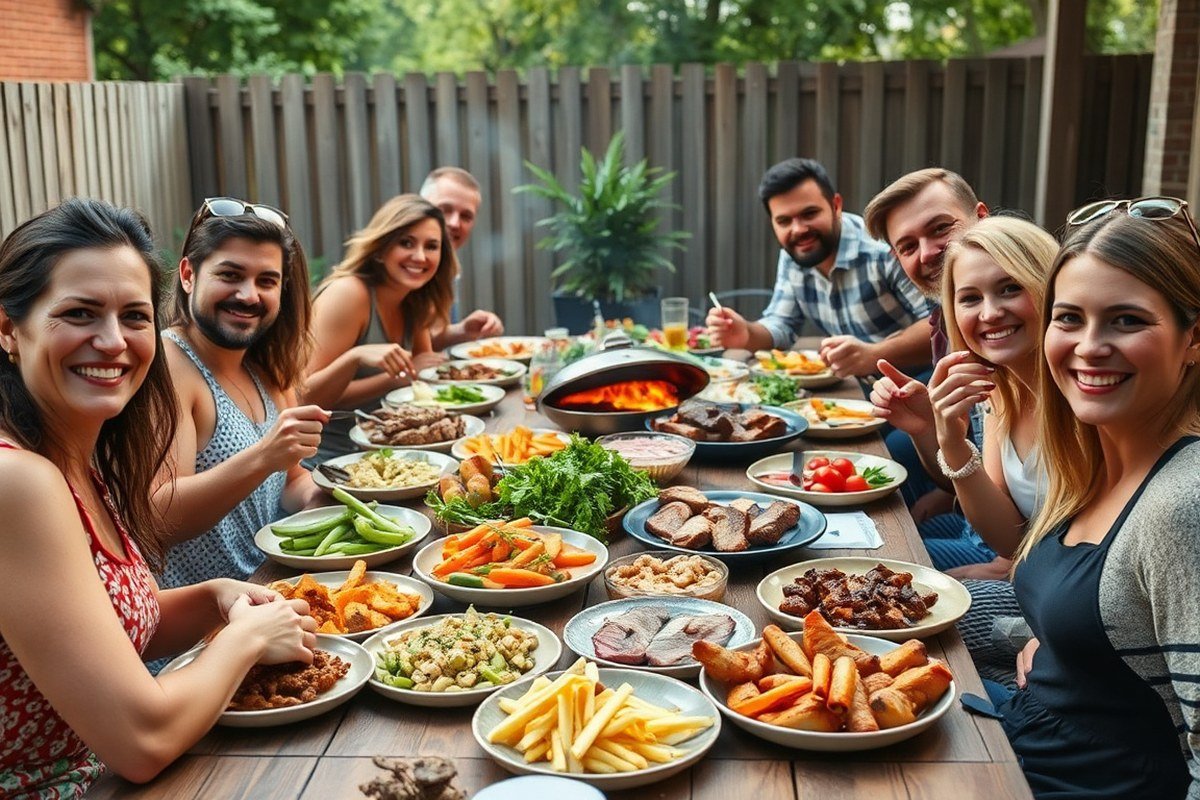
Adjust meat quantities by first considering your guests’ appetites and the type of event. For light eaters or when serving a lunch with plenty of sides, plan for about 5 to 6 ounces of cooked meat per adult. When your crowd includes heavy eaters or is mostly adults at a dinner-only BBQ, plan on 8 to 10 ounces per person. For events lasting several hours, such as tailgates or all-day BBQs, add around 10% more meat to keep everyone satisfied.
Children usually eat less meat than adults. Count kids under 12 separately and estimate half the portion size for them. This adjustment helps avoid overbuying while ensuring everyone gets enough. For groups with many light eaters or families, lean toward the lower end of the portion range. Expecting mostly big eaters or competitive eaters? Aim for the higher amounts to avoid running short.
Consider the timing and meal structure before deciding quantities. When BBQ meat is the main meal, aim for roughly ½ pound (8 ounces) of cooked meat per adult. Planning to offer many sides like salads and chips? Cut the meat amount to about ⅓ pound (5 to 6 ounces) since guests will eat other foods. For longer events that stretch beyond three hours, increase meat portions by 10% for each additional hour to compensate for prolonged hunger.
To fine-tune your shopping list, start with the baseline portion based on appetite, then multiply by the number of adults attending. Add half of that amount for kids under 12. Next, factor in the event’s length and how much side food you plan to serve. Using this step-by-step calculation lets you balance food cost against the risk of running short or wasting leftovers. Following this method keeps your BBQ meat quantities aligned with your guests’ needs and the occasion.
Raw Versus Cooked Meat Weights and Yield Differences
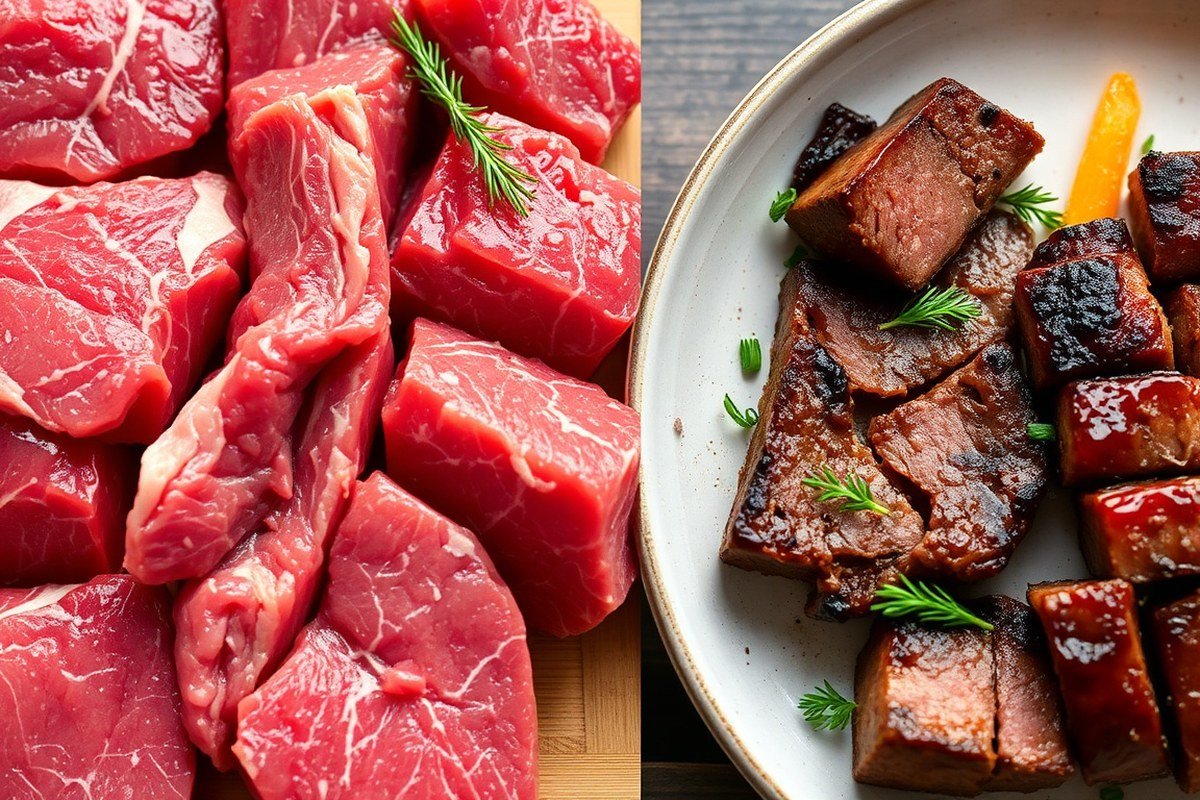
Meats typically lose about 25% of their weight during smoking or grilling due to moisture loss and fat rendering. This weight loss affects how much Raw meat you need to buy to serve a specific amount of cooked meat. Bone-in cuts lose weight mostly from moisture and fat, but the bone remains, so a larger raw weight accounts for the non-edible bone. Boneless cuts also lose moisture and fat but have no bone weight, so yields differ.
Fatty meats lose more weight compared to lean cuts. The fat melts away during cooking, which adds to the overall shrinkage. Less fat means less weight loss, but also potentially drier meat. Knowing these differences helps you pick the right amounts for your guests.
Here’s a comparison for raw-to-cooked yields by type and cut: for Bone-in meat, 1 pound raw usually yields about 0.75 pounds cooked. For Boneless cuts, 1 pound raw yields about 0.75 pounds cooked. That means for bone-in, roughly 25% of the raw weight is lost; for boneless, it’s closer to 24%. For example, 3 pounds of raw bone-in meat will give around 2.25 pounds cooked, while 2.5 pounds of boneless will yield about 1.88 pounds cooked.
To calculate raw meat needed for a target cooked weight, divide the desired cooked portion by the yield percentage. For instance, if you plan to serve 2 pounds of cooked bone-in brisket and yield is 75%, you divide 2 by 0.75 to get about 2.67 pounds of raw meat to buy. For boneless meat aiming for 1.5 cooked pounds at 75% yield, buy 2 pounds raw (1.5 ÷ 0.75 = 2). This calculation ensures you meet serving needs without falling short.
This approach also helps when planning by cups or ounces. For 12 ounces cooked bone-in ribs, buy 16 ounces raw; for 6 ounces boneless cooked chicken, buy 8 ounces raw. Adjusting for bone presence and fat content gives you an accurate headcount and reduces food waste.
Planning Meat Quantities for Mixed BBQ Menus and Multiple Meats
To plan meat quantities for mixed BBQ menus with multiple meats, start by estimating the total amount of meat per person you’d usually serve. A good rule is about ¾ pound of meat per guest for a mixed menu. Then, divide this total based on the variety of meats and your guests’ preferences.
Use a simple decision rule: assign approximate percentages of the total meat to each type according to expected popularity or your planned menu balance. For example, if you’re serving burgers, ribs, and pulled pork to 50 people, you might allocate 40% of the meat to ribs, 35% to pulled pork, and 25% to burgers. This reflects ribs being a heavier, bone-in meat needing more weight for edible portions, while pulled pork and burgers have different yield losses.
To calculate exact quantities, multiply the total meat weight by each percentage. For 50 guests with ¾ pound per person, that’s 37.5 pounds total. Using the above split, buy about 15 pounds of ribs (40%), 13 pounds of pulled pork (35%), and 9.5 pounds of burgers (25%). Adjust these numbers depending on your knowledge of guest preferences. For instance, if 60% of guests prefer burgers, allocate that portion accordingly but keep minimums for ribs and pulled pork to ensure a varied selection.
A practical checklist to estimate crowd meat preferences includes: the number of guests eating each meat type, popularity of each meat in your group, portion sizes per meat type (like 1 pound per person for bone-in ribs but only ¼ pound for burgers), and adjustments for meat yield after cooking (pulled pork loses close to half its weight). This helps avoid running out or overspending.
Serving burgers, ribs, and pulled pork together works best with these proportions: burgers at around ¼ pound per person, ribs and pulled pork at about ⅓ pound per person each. This ensures guests get a good variety without excessive leftovers. Keep in mind bone-in ribs require buying extra to account for bones, plan about 1 pound per guest to cover edible meat.
How to Avoid Common Mistakes When Estimating BBQ Meat Amounts
Many hosts end up buying too little or too much meat because they underestimate cooking loss or overlook guest appetite differences. Meat can shrink by 40-50% during cooking, especially with cuts like chicken or brisket. For example, if you plan on 6 ounces of cooked meat per person, you need to start with 9 to 12 ounces of raw meat to avoid running short. Ignoring this leads to unexpected shortages or unnecessarily large leftovers.
Another common mistake is using average portion sizes without considering the event type or guest preferences. A casual backyard BBQ with kids and light eaters needs less meat per person than a competition-style cookout where the meat is the main attraction. Guests with larger appetites might consume up to 1 to 1.5 pounds of raw meat each, so failing to adjust accordingly causes running out or wasting meat.
Poor meat portion planning results in wasted money, food waste, and frustrated guests. Leftover meat requires extra storage space and may lose quality if not handled promptly. On the other hand, meat shortages cause last-minute stress and disappointment, reducing the enjoyment of your barbecue.
To avoid these issues, start by calculating raw meat amounts using a cooking loss factor of about 1.25 for ground beef and up to 1.5 for cuts that shrink more. Adjust portions based on guest appetite and the event’s focus on meat. Keep a checklist: estimate realistic portion sizes, multiply by your guest count, factor in cooking loss, and add a small buffer (around 10%) for unexpected changes.
Planning with this checklist results in enough meat for everyone without significant leftovers. For larger groups, consider buying in bulk at wholesale prices and freezing extra amounts properly. Adjust your estimate after the event based on what you actually used to improve accuracy for next time.
Safety Tips for Storing and Serving BBQ Meat
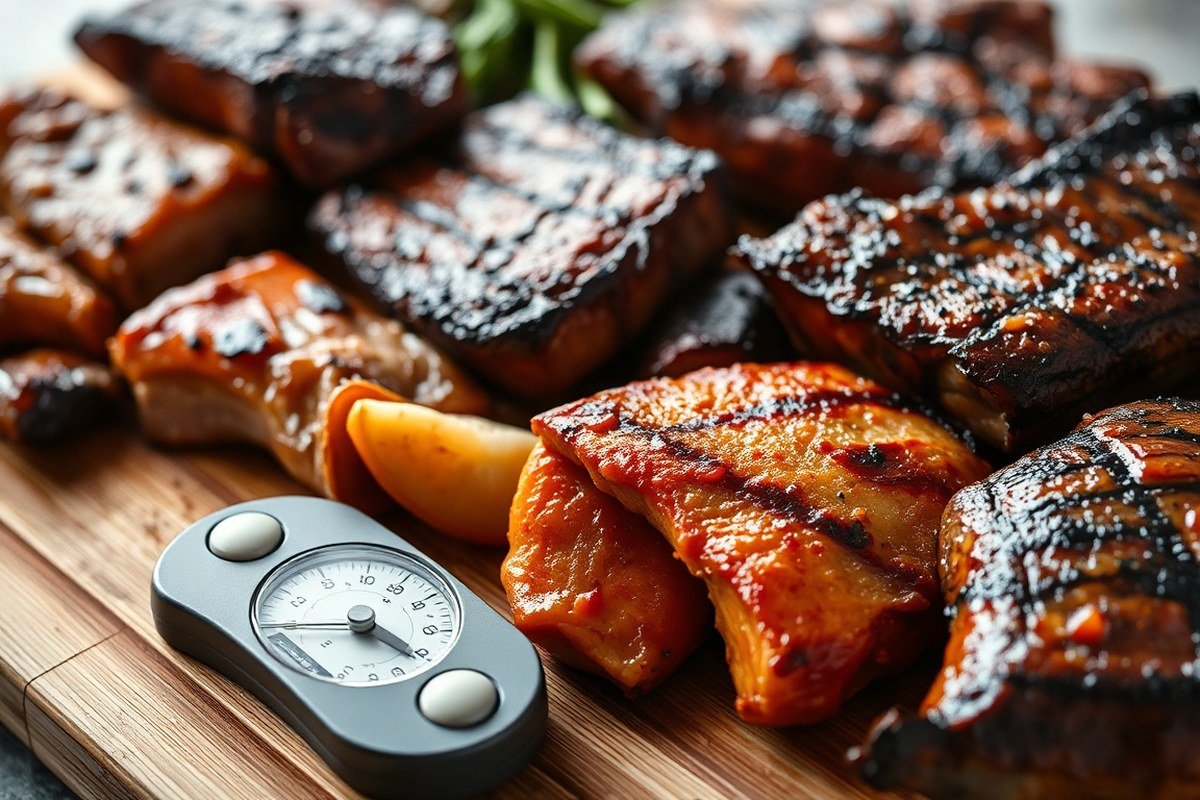
Safe cooking temperatures are critical for any BBQ meat to prevent foodborne illness. According to USDA guidelines, whole cuts of beef, pork, lamb, and veal should reach an internal temperature of at least 145°F and then rest for 3 minutes before serving. Ground meats require a higher temperature of 160°F. Poultry, including chicken and turkey, must reach 165°F throughout. Use a reliable meat thermometer inserted into the thickest part of the meat, away from bone or fat, to get accurate readings.
Once cooked, Meat should not be left out at room temperature for more than 2 hours. At outdoor BBQs where temperatures exceed 90°F, this window shrinks to 1 hour. Bacteria multiply rapidly between 40°F and 140°F, so keep cooked meat covered and either serve promptly or return it to a cooler or warming device that maintains above 140°F until serving.
Storing leftovers properly is essential for both safety and quality. Cool leftover smoked or grilled meat within 2 hours by cutting large pieces into smaller portions and placing them in shallow containers before refrigerating. Leftovers can be refrigerated safely for 3 to 4 days or frozen for up to 3 months. When reheating, ensure the meat reaches 165°F to kill any bacteria. Freezing smoked meat can maintain flavor and texture well but avoid refreezing once thawed.
Planning your BBQ around food safety involves monitoring cooking temperatures carefully, limiting how long cooked meat sits out, and promptly storing leftovers. These steps may require a thermometer, insulated containers, and proper cooling space but reduce the risk of foodborne illness and keep the barbecue enjoyable for everyone.
Pairing Meat Amounts with Side Dishes and Cooling Supplies
Balancing meat portions with side dishes ensures your BBQ meal feels complete without wasting food. If you serve about three side dishes, plan on approximately one-third of a pound of meat per person as the main portion. When sides are heavier, like potato salad, mac and cheese, or baked beans, you can increase meat portions up to half a pound per person or slightly reduce them since guests will fill up on hearty sides. For a BBQ buffet with four or more sides, cutting the meat portion by about 20% helps keep the meal balanced and avoids over-serving.
| Number of Side Dishes | Recommended Meat per Person | Side Dish Serving Size per Person |
|---|---|---|
| 1-2 | ½ pound (8 ounces) | 5-6 ounces each |
| 3 | ⅓ pound (5.3 ounces) | 5-6 ounces each |
| 4 or more | ~⅖ pound (6.4 ounces), reduced by 20% | 5-6 ounces each |
Include the sides in your overall food calculations so you don’t overestimate the meat needed. Portioning sides at 5 to 6 ounces per person per dish gives enough variety without overcrowding plates. Guests tend to eat less meat when multiple filling sides are present, especially if a buffet allows them to sample all offerings.
Cooling supplies are critical for keeping meat, side dishes, and drinks fresh during your BBQ. Budget around 1.5 pounds of ice per guest to maintain cold temperatures inside coolers. This amount accounts for ice used directly on food containers and chilling beverages. For example, for 20 guests, prepare at least 30 pounds of ice. Pack ice in the cooler with meat wrapped securely to avoid water contamination, and replenish as ice melts over time. A useful checklist for ice and cooling includes the following steps: calculate your guest count times 1.5 pounds for total ice needed; choose coolers that hold enough ice and food without cramming; keep raw and cooked meats separated in coolers; pre-chill sides and drinks before loading them into coolers; and store coolers in shaded areas to prevent rapid melting.
Implementing these measurements and preparations can save money, prevent spoilage, and contribute to a satisfying dining experience for everyone at your BBQ. Overestimating meat or underestimating ice leads to waste or unsafe food temperatures that can risk health and enjoyment.
Quick-Start Action Plan for Estimating BBQ Meat Amounts
Plan your BBQ meat purchases efficiently with this step-by-step guide to get the right quantity for your guests and event type.
- One week before: Confirm your guest count and assess appetite levels, note if guests are light or heavy eaters to adjust meat amounts accordingly.
- Five days before: Decide on your meat menu mix (beef, chicken, pork, etc.) so you can allocate portions based on typical serving sizes per meat type.
- Three days before: Calculate the raw meat weight needed per person (around 1/2 to 3/4 pound depending on appetite) and multiply by your guest count for total purchase amount.
- Two days before: Shop for meat using your calculated weights; buy slightly more to allow for trimming and cooking yield losses but avoid large excess to prevent waste.
- One day before: Store meat properly in the refrigerator or freezer, following food safety tips to keep quality and reduce risk of spoilage.
- Day of event: Cook meat fully; remember that cooked weights are about 25% less than raw due to moisture and fat loss, so plan servings with this in mind.
- During service: Monitor portion sizes and availability; have extras ready if guests have bigger appetites or you’re serving multiple meats.
- After the event: Assess leftover quantities to fine-tune your buying for future BBQs, minimizing waste while ensuring enough food for everyone.
Frequently Asked Questions
How Much Meat Should I Buy If My BBQ Guests Are Mostly Children?
Kids eat less, about half the adult portion, so plan around 4 to 6 oz of meat per child. This helps avoid waste while keeping portions suitable for smaller appetites.
Can I Prepare Meat in Advance to Better Manage BBQ Quantities?
Yes, cooking meat ahead and refrigerating helps you adjust serving sizes and reduces last-minute rush. Just keep it well covered and chilled to stay safe.
How Do I Account for Vegetarians in My Meat Planning?
Reduce total meat by about 8 to 12 oz per vegetarian and add more side dishes or plant-based proteins. This keeps everyone satisfied and prevents overbuying meat.
Do Bone-In Cuts Affect How Much Meat I Should Buy per Person?
Bone-in meat requires buying more raw weight since bones don’t cook down. Usually, add 20-30% extra weight to cover bones and trimming.
What’s a Good Rule for Leftovers When Buying BBQ Meat?
Buy about 10-15% extra meat if you want leftovers, especially for bigger groups. This covers unexpected appetites without major oversupply.
The Bottom Line
Figuring out how much meat to buy per guest can make your BBQ smoother and more enjoyable by preventing shortages and waste. Start by considering your guest list and appetite levels, then use portion sizes to calculate your purchase. Buying the right amount means happier guests and less leftover meat. Take the next step today by writing down your guest count and meal preferences to begin planning your ideal meat quantities.