What Does BBQ Stand for: A Complete Guide to Meaning, History & Styles
What does BBQ stand for? BBQ is simply a shortened form of the word barbecue, used as an abbreviation rather than an acronym. Barbecue involves cooking food, especially meat, over low, indirect heat with wood smoke for several hours to achieve deep flavor. Understanding this helps you focus on slow, smoky cooking techniques rather than quick grilling.
Key Takeaways
- BBQ refers to both a cooking method involving low heat and smoke and the food prepared this way.
- Barbecue cooking typically uses temperatures between 225°F and 300°F for 4 to 18 hours or more.
- The abbreviation BBQ evolved from the alternative spelling “barbeque” found in print by the mid-1950s.
- Barbecue means different things: a cooking device, the food, social events, or regional styles of smoked meat.
- True BBQ cooking is closer to smoking than to grilling, which uses much higher heat around 500°F to 550°F.
- Wood smoke is essential to classic BBQ flavor, achieved through indirect heat and long cooking times.
What Does BBQ Actually Stand for and Where Did It Come From?
BBQ is simply a shortened form of the word barbecue. It is an Abbreviation, not an acronym, meaning it doesn’t stand for a series of words but rather shortens the original term for convenience. Dictionaries classify BBQ as an abbreviation similar to how “etc.” shortens “et cetera.” The abbreviation BBQ grew out of the alternative spelling “barbeque,” which appeared in print by the mid-20th century, though the term itself was likely spoken much earlier.
The word barbecue has deeper roots stretching back centuries. It originates from the Caribbean word Barbacoa, used by the Taíno people to describe a raised wooden rack for smoking meat and fish. This term passed into Spanish as “barbacoa” around 1526, then through French as “barbecue,” and eventually entered English by the mid-1600s. Over approximately 500 years and four languages, it evolved into the English “barbecue,” which refers not only to the cooking method but also to the food, the grill, and the event.
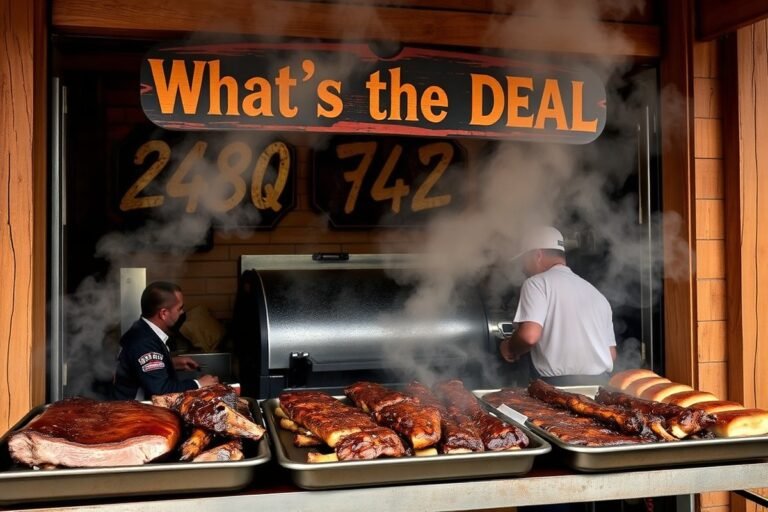
The theory that BBQ stands for phrases like “Bring Beer Quick” or “Bar Beef Quarter” is a myth; these are jokes rather than actual origins. The real story is that BBQ just shortens barbecue, a word with a rich cultural and linguistic history. The abbreviation BBQ became widespread in the 20th century, especially in signage and menus where space was limited. It remains the informal, widely understood way to represent barbecue, reflecting the cooking method’s broad American cultural significance.
Why Are Barbecue, Barbeque, and BBQ Spelled so Differently?
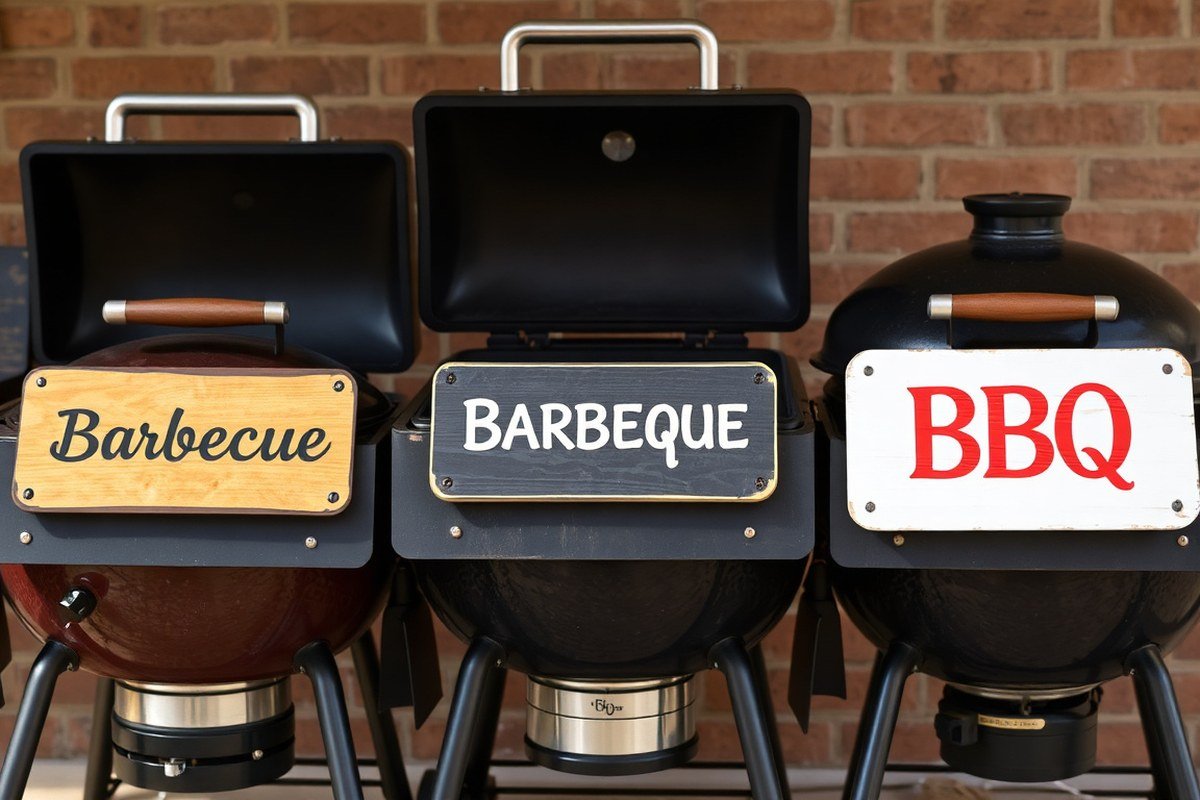
The different spellings of barbecue, Barbecue, Barbeque, and BBQ, stem from a long history of variations that reflect regional preferences and commercial usage. The spelling “barbecue” is the standard form listed first by dictionaries and considered correct in formal writing. “Barbeque” is a common variant still widely seen on menus and signs, partly because many food businesses prefer it to connect with customers visually and stylistically. This choice in marketing makes the variant so popular that some people assume it is the original or correct spelling. Dictionaries recognize both forms without marking either as incorrect, classifying “BBQ” as an abbreviation that applies to them equally.
The abbreviation “BBQ” first appeared in the 1930s, likely emerging from a connection between branding efforts and the cooking method itself. Using three letters instead of a longer word allowed easier communication in advertising and casual conversation. Today, “BBQ” is universally understood and widely accepted in informal contexts. It’s useful in everyday speech, restaurant signs, and product marketing but less suitable for formal writing.
The variety in spelling reflects how barbecue has become more than a cooking style; it represents culture, place, and history. Both the original spelling and its variations show up differently across regions and social settings. The word “barbecue” was common in early American writing, including references by George Washington in the 18th century, which helped standardize the term. Yet, the modern spellings you see today evolved through practical needs like marketing and informal language rather than strict rules.
How Does Barbecue Differ from Grilling and Smoking?
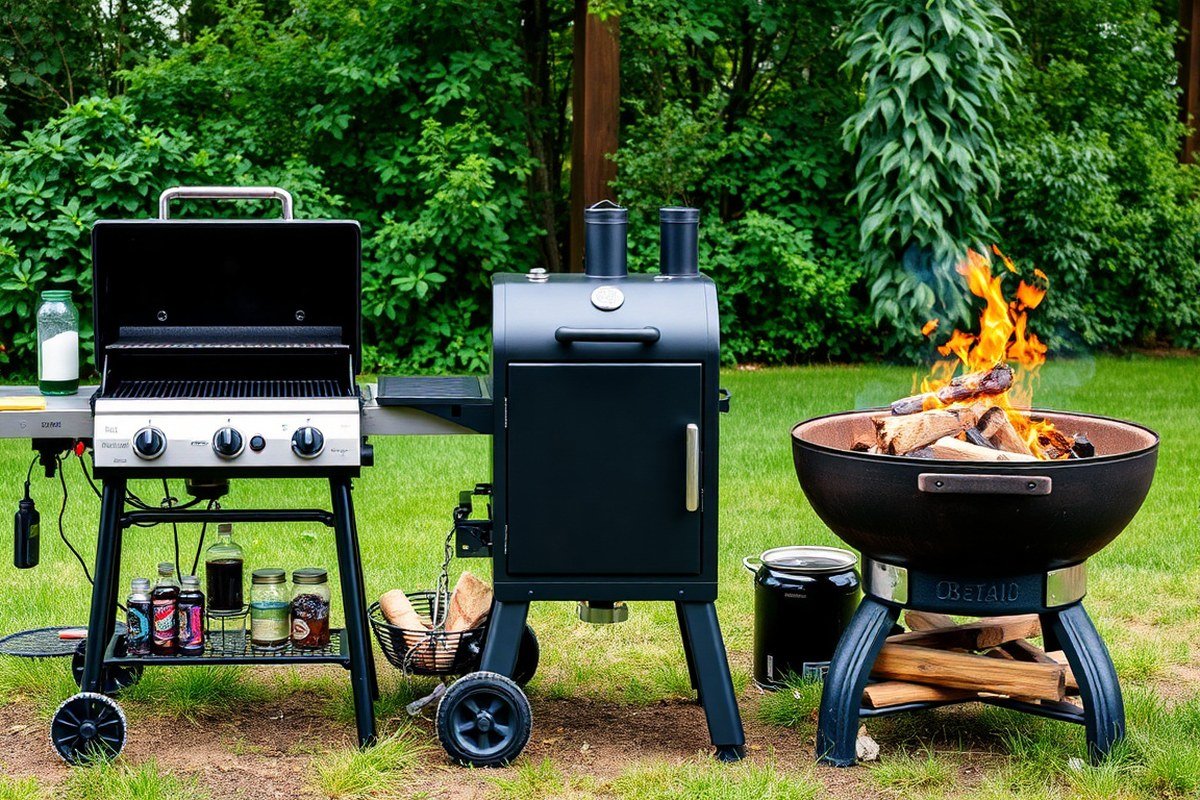
The key difference between Barbecue and grilling lies in temperature and timing. Barbecue uses low, indirect heat around 225°F to 300°F for a long time, typically 4 to 18 or more hours. This slow cooking breaks down tough meat fibers and infuses rich smoke flavors. Grilling, by contrast, is a fast, high-heat method, usually 400°F to over 600°F, lasting from minutes up to half an hour. It cooks food quickly over direct flames, producing a charred exterior with less smoky depth. Smoking overlaps with barbecue but operates at slightly lower temps (180°F to 250°F) and longer times, often 6 to 24 hours, focusing mainly on flavor from wood smoke.
| Method | Heat Type | Temperature (°F) | Time | Smoke? | Typical Food |
|---|---|---|---|---|---|
| True BBQ | Indirect, low | 225, 300 | 4, 18+ hours | Essential | Brisket, ribs, pork shoulder, whole hog |
| Smoking | Indirect, very low | 180, 250 | 6, 24+ hours | Central | Same as BBQ (overlapping) |
| Grilling | Direct, high | 400, 600+ | 5, 30 minutes | Optional | Burgers, steaks, chicken breasts, hot dogs |
| Roasting | Indirect, moderate | 300, 450 | 1, 4 hours | No | Whole chicken, prime rib, vegetables |
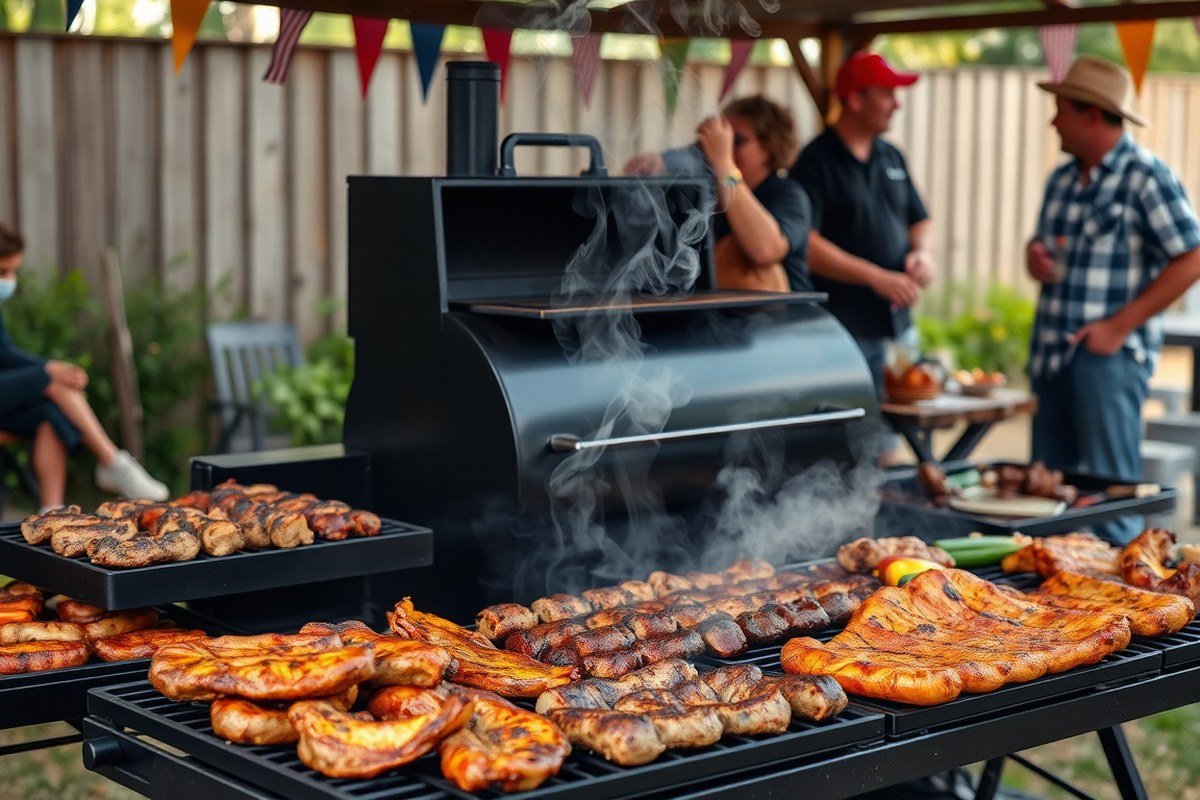
Using a smoker or offset pit lets you keep a consistent low temperature with wood or charcoal for true barbecue. Food cooks indirectly, absorbing wood smoke for hours to develop tender, flavorful results. Grilling calls for a hot grill surface and quick handling to avoid drying or burning. The choice impacts the texture and flavor: barbecue yields tender, smoky cuts, while grilling produces crisp, fresh-tasting meat with grill marks but less smoke taste. Smoking mostly adds intense smoke flavor and tenderizes meat over many hours, closely related to barbecue but sometimes treated as a separate cooking technique.
What Are the Main Regional Styles of American Barbecue?
American BBQ is best understood through its four major regional styles, each with distinct meats, cooking methods, and sauces that reflect their cultural roots. Texas BBQ primarily features beef brisket slow-smoked over oak or mesquite, seasoned with a simple dry rub and often served without sauce to highlight the meat’s natural flavors. In contrast, Carolina BBQ is known for pork, especially whole hog or pulled pork, with sauces that range from vinegar-based in the East to mustard-based in South Carolina, emphasizing tanginess over sweetness.
Kansas City BBQ uses a variety of meats, including pork ribs and burnt ends, with thick, sweet, tomato-based sauces that coat the meat. This style favors a longer smoking process followed by saucing before serving. Memphis BBQ is famous for pork ribs, cooked either “wet” with a mop sauce or “dry” with a seasoned rub. Memphis sauces strike a balance between sweet and spicy, complementing their slower smoking over hickory wood.
| Region | Signature Meat | Cooking Method | Sauce Style | Wood Used |
|---|---|---|---|---|
| Texas | Beef brisket | Slow smoking, dry rub | Minimal or none | Oak, Mesquite |
| Carolina | Pork (whole hog or pulled) | Slow smoking, vinegar mop | Vinegar or mustard-based | Hickory, Oak |
| Kansas City | Mixed (pork ribs, burnt ends) | Slow smoking, sauce-coated | Thick, sweet, tomato-based | Hickory |
| Memphis | Pork ribs | Slow smoking, wet or dry | Sweet and spicy | Hickory |
The cultural importance of these styles goes beyond just the recipes. Texas BBQ reflects a frontier heritage with bold, beef-focused flavours shaped by cattle ranching. Carolina’s barbecue honors a centuries-old Southern tradition where pork was abundant, and the sharp vinegary sauces evolved to cut the richness of fatty meat. Kansas City’s diverse meat selection and thick sauces mirror a city built on trade and innovation, while Memphis combines these influences into a balanced style that highlights pork ribs as king. Many competitive BBQ events, like the American Royal World Series in Kansas City, have boosted standards nationwide and encouraged enthusiasts to explore and preserve these unique methods.
How Is BBQ Celebrated and Prepared Around the World?
Traditional Caribbean barbacoa consists of wrapping cuts like beef cheeks, goat, or lamb in maguey leaves before cooking them slowly underground in a pit for 8 to 10 hours. This sealed pit traps heat and smoke, yielding meat that is tender, moist, and rich with smoky flavor. The Taíno first developed this method, which Spanish explorers recorded in the early 1500s. Cooking meat slowly at low heat not only keeps it juicy but also adds a depth of taste that grilling quickly cannot match. To try this at home, you need to create a pit or use a covered smoker, keep the heat steady around 225°F, and wrap the meat with leaves or foil to mimic the maguey leaves.
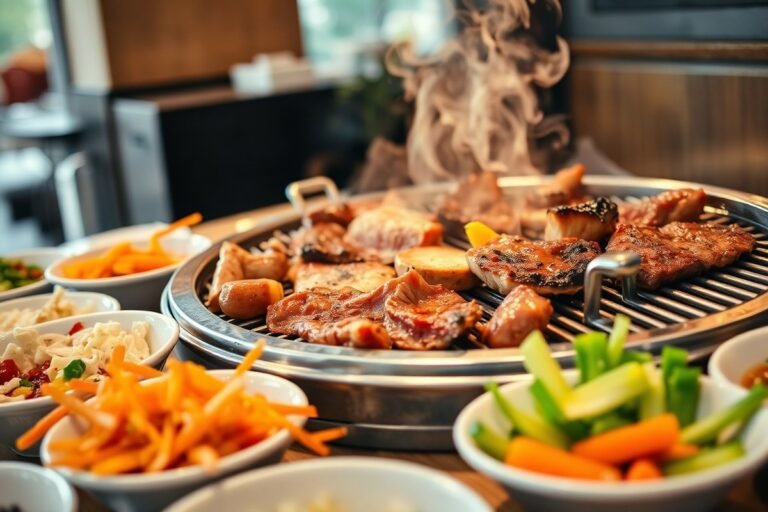
Other cultures cook barbecue in distinct ways. In the Philippines, barbecue typically means marinated skewered meats grilled over direct flame, producing a charred and caramelized surface quickly, contrasting with the slow pit cooking of barbacoa. South American methods include open fire pit grilling, often using hardwood charcoal and various cuts seasoned with local spices or chimichurri. The U.S. South combines Native American pit-smoking traditions with West African technique and European seasonings, producing thick smoke, indirect heat, and long cook times on pork, beef, or chicken.
BBQ styles worldwide share roots but differ in technique and flavor. The word barbecue comes from Caribbean and Taíno “barbacoa,” showing a shared foundation in slow-cooked meat on wooden frameworks or pits. Spanish colonists spread this method throughout the Americas, influencing numerous cooking traditions. While American BBQ typically relies on indirect heat and wood smoke over hours, Filipino and South American styles often use faster, open-flame grilling or open pits. Recent trends blend these approaches, adding flavors and techniques from Korea, Japan, and India to create fusion dishes like BBQ tacos and smoked lamb ribs. Each style reflects the ingredients, culture, and climate of its region, while connected by the essential idea of cooking meat slowly or over fire to create rich aromas and tender textures.
What Equipment and Techniques Are Essential for Authentic BBQ Cooking?
Authentic BBQ relies on specific equipment designed for low and slow cooking, mainly to achieve tender, flavorful meats with real wood smoke. A traditional offset smoker is often considered the gold standard for true BBQ. It uses indirect heat and wood smoke, letting you maintain steady low temperatures around 225°F to 275°F for 10 to 12 hours, perfect for large cuts like brisket or pork shoulder. Charcoal grills can also work if set up for indirect cooking, but they require more attention to keep the temperature stable.
Controlling cooking temperature precisely makes the difference between good and great BBQ. Modern tools like WiFi-connected thermometers let you track internal meat and smoker temperatures remotely from your phone, so you don’t have to hover constantly by the pit. Pellet smokers with PID controllers automatically manage heat by adjusting pellet feed, stabilizing temperatures with less guesswork. These tools can cost from $100 for a good thermometer to $1,000 or more for advanced pellet smokers with app integration.
To maintain proper temps, start by setting your smoker to around 225°F and check every hour early on, then less often as it stabilizes. Use water pans inside smokers to keep the cooking environment moist and consistent. For long cooks, monitor the internal meat temperature aiming for about 195°F for pulled pork or 203°F for brisket to break down connective tissue. If you don’t have a remote thermometer, open the smoker lid as little as possible to avoid heat loss. For those new to BBQ, invest in a basic digital thermometer and build up to more automated equipment as you gain experience. These methods help ensure tender, juicy BBQ with well-controlled smoke flavor.
How Has BBQ Culture Evolved from Tradition to a Modern Phenomenon?
BBQ has evolved over centuries from a simple cooking method into a rich cultural tradition deeply connected to community identity and history. In the Southern United States, barbecue joints that have lasted 50 to 60 years or more are considered civic institutions. They serve as gathering places where meals reflect local history and social bonds. This longevity fuels passionate debates about style and authenticity because BBQ represents more than food, it symbolizes heritage and collective memory.
These social practices are mirrored worldwide. For example, Argentine asado unites families every Sunday much like American Thanksgiving, while South Africa’s braai is a communal event revolving around wood-fire cooking. Through such gatherings, BBQ has created a shared sense of belonging and cultural pride that extends beyond just eating together.
Technology and trends have transformed barbecue in recent decades. Home cooks now use specialized smokers that maintain consistent temperatures around 225°F to 275°F, allowing for precise slow-cooking over several hours. Digital thermometers and pellet grills have added convenience and reliability, making traditional low-and-slow techniques accessible to newcomers. At the same time, competitions and festivals keep innovation alive, pushing chefs to experiment with global flavors and new woods for smoking.
Despite the tech changes, the core values of BBQ as a community event remain. Many BBQ restaurants double as social hubs, preserving recipes and rituals passed down through generations. Though commercialized interests have grown, grassroots events still emphasize shared labor, storytelling, and respect for the craft. This balance of tradition with modern convenience shapes the ongoing cultural evolution of barbecue.
Your First Steps to Mastering BBQ
Start your barbecue journey by focusing on simple, practical steps that build your skills and knowledge steadily.
- Day 1: Learn the basics of BBQ terminology and styles by reading about regional differences; check your understanding by describing the key traits of at least two styles.
- Week 1: Gather essential BBQ tools like a smoker or grill, charcoal or wood chips, and a reliable thermometer; confirm your gear is ready by setting up and testing your temperature controls.
- Week 2: Practice a simple smoked meat recipe, such as smoked chicken or pork shoulder; know it worked by achieving tender meat and a smoky flavor without dryness.
- Week 3: Experiment with different woods or rubs to sharpen your flavor profiles; note variations in taste and smoke ring to see how changes affect results.
- Week 4: Learn safe food handling and cooking times for different cuts; ensure food safety by using a meat thermometer and following recommended temperatures.
- Week 5: Host a small BBQ with family or friends to test your timing and serving skills; gather feedback to improve your next cookout.
- After 6 weeks: Explore global BBQ techniques and incorporate one new international recipe; confirm success by enjoying the new flavors and sharing your experience.
Frequently Asked Questions
What Does BBQ Stand For?
BBQ is a shortened form of barbecue and is an abbreviation, not an acronym. It doesn’t stand for a phrase but simply refers to the cooking method of slow-cooking meat over indirect heat and smoke.
Is BBQ an Acronym or an Abbreviation?
BBQ is an abbreviation of the word barbecue, not an acronym. It doesn’t represent a series of words but is a shortened spelling used for convenience.
Where Did the Term BBQ Originate?
BBQ evolved from the word barbecue, which comes from the Taíno word barabicu and traveled through Spanish and French before becoming English. The abbreviation BBQ appeared in the 20th century.
Does BBQ Stand for “Bring Beer Quick” or Other Phrases?
No, BBQ does not stand for “Bring Beer Quick” or similar phrases; these are jokes, not the actual origin. BBQ is simply an abbreviation for barbecue.
Why Is BBQ Spelled Differently Than Barbecue?
BBQ developed as a space-saving abbreviation used on menus and signs, especially in the mid-20th century, to shorten the longer word barbecue.
Key Points to Remember
Barbecue stands for a traditional cooking method that involves slow cooking meat over indirect heat with smoke, creating distinctive flavors that vary by region and culture. You can start exploring BBQ by learning one regional style and trying a simple smoked recipe at home. This hands-on approach will help you grasp the core of what BBQ really means and how to enjoy it authentically.