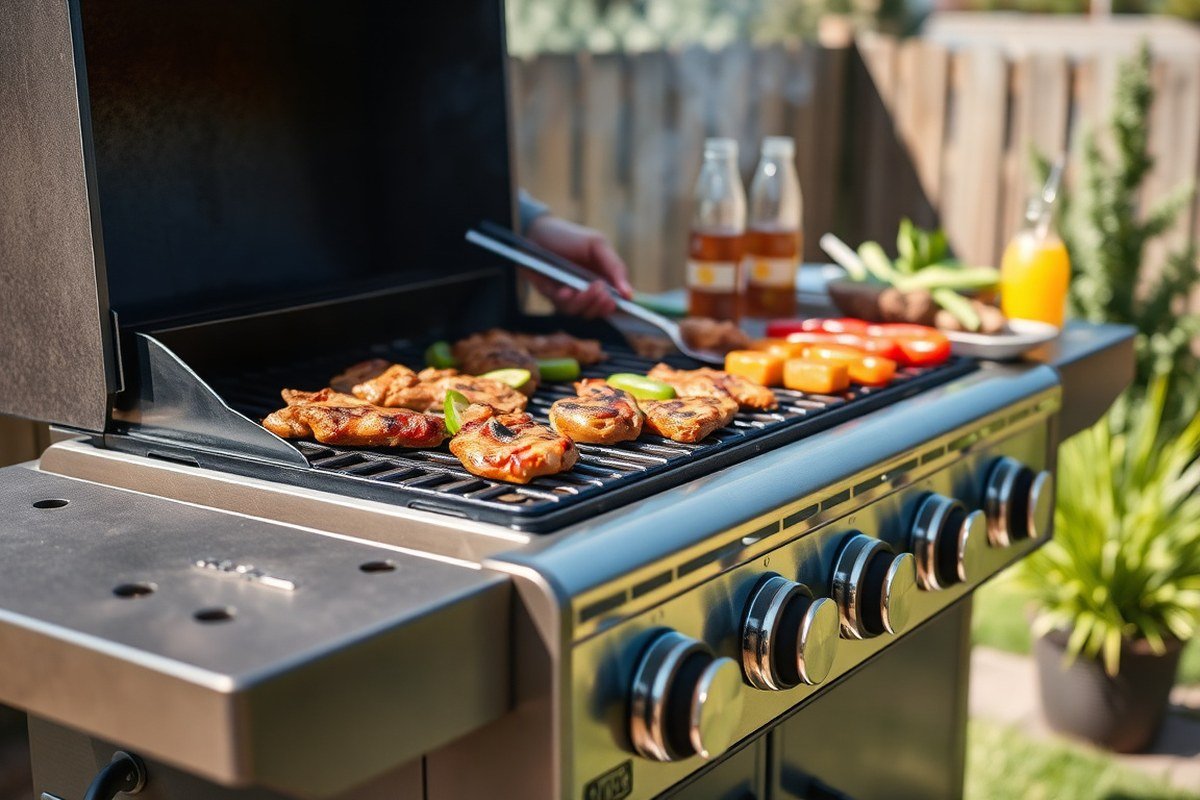
Is BBQ Healthy? What Science Shows and How to Grill Safer
Is BBQ healthy? It can be, but it depends on what you grill and how you do it. Choosing lean meats, using acidic marinades, and controlling grill temperature can make BBQ safer and more nutritious. Start by marinating your meats to reduce harmful chemicals formed during grilling.
Key Takeaways
- Use acidic marinades with vinegar or lemon juice to cut harmful HCAs by up to 90%.
- Keep grill temperature below 300°F to reduce carcinogen formation.
- Choose seafood like salmon or shrimp for healthy omega-3 fats and protein.
- Eliminate grill drippings with drip trays to reduce PAHs on meat by nearly half.
- Cook ground meats to at least 160°F and poultry to 165°F for safe eating.
- Limit processed and smoked meats to lower colorectal cancer risk linked to these foods.
Is Barbecue Generally Healthy or Harmful?
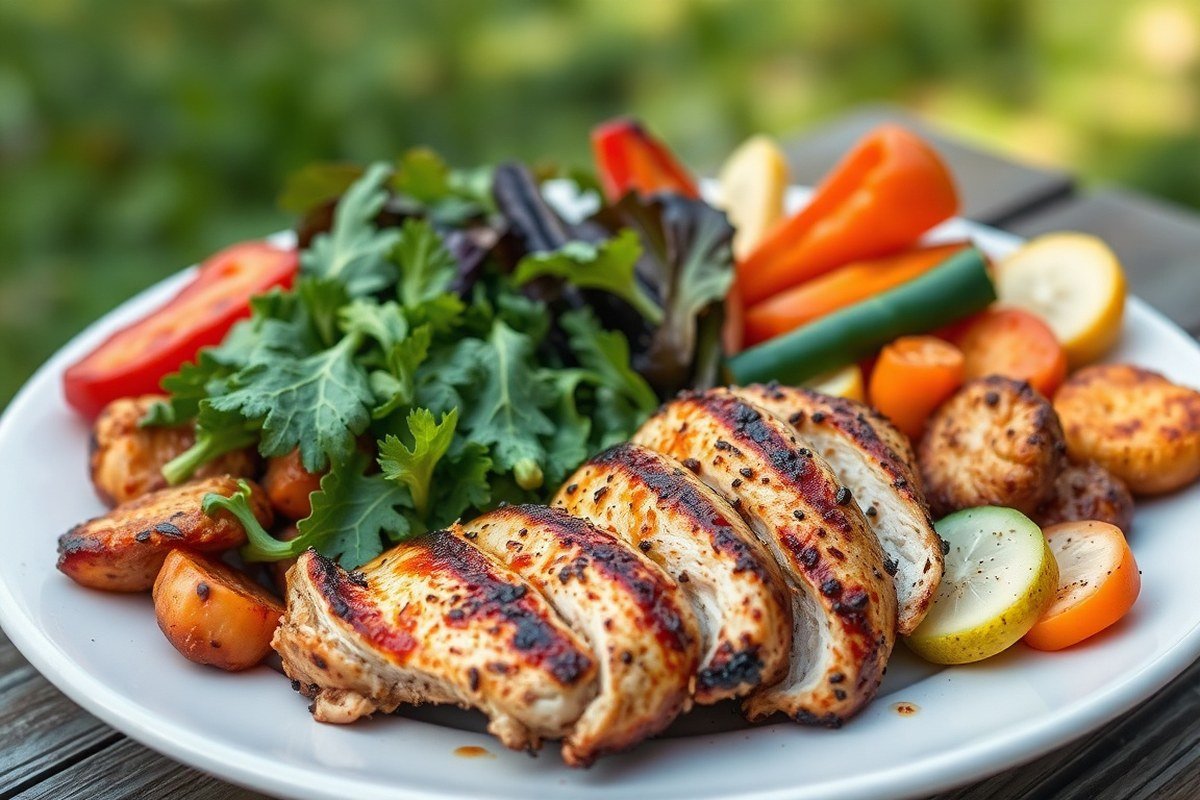
Barbecue can be both healthy and harmful depending on how often and what you eat. BBQ foods provide protein, vitamin B12, and other nutrients important for health. Lean cuts of meat, fish, and vegetables grilled properly can fit into a balanced diet. Barbecuing also allows cooking with little added fat compared to frying, which supports weight management goals.
Eating BBQ occasionally and in moderate amounts usually won’t harm your health. The main health risks come from compounds called HCAs and PAHs, which form when meat is grilled at high temperatures or becomes charred. These compounds can cause DNA damage and increase risks for insulin resistance, fatty liver, and some cancers. However, charred or burnt BBQ meat isn’t always dangerous in small amounts. It’s the frequency and quantity of consuming burnt or overcooked meats that raise concern.
You can include BBQ in a weight loss diet by choosing lean meats, skinless poultry, and plenty of grilled vegetables. Using marinades with herbs such as rosemary helps reduce harmful compound formation and improves cooking evenness to avoid charring. Also, investing in a meat thermometer ensures safe internal temperatures without overcooking.
Moderation and mindful food choices are key to making BBQ part of a healthy lifestyle. Relying heavily on heavily charred or fatty BBQ foods can increase health risks, but an occasional BBQ meal combined with a balanced diet and proper cooking techniques minimizes harm. Drinking water and balancing your meals with fiber-rich sides supports digestion and overall wellbeing during BBQ occasions.
How Carcinogens Form During BBQ and What Affects Them
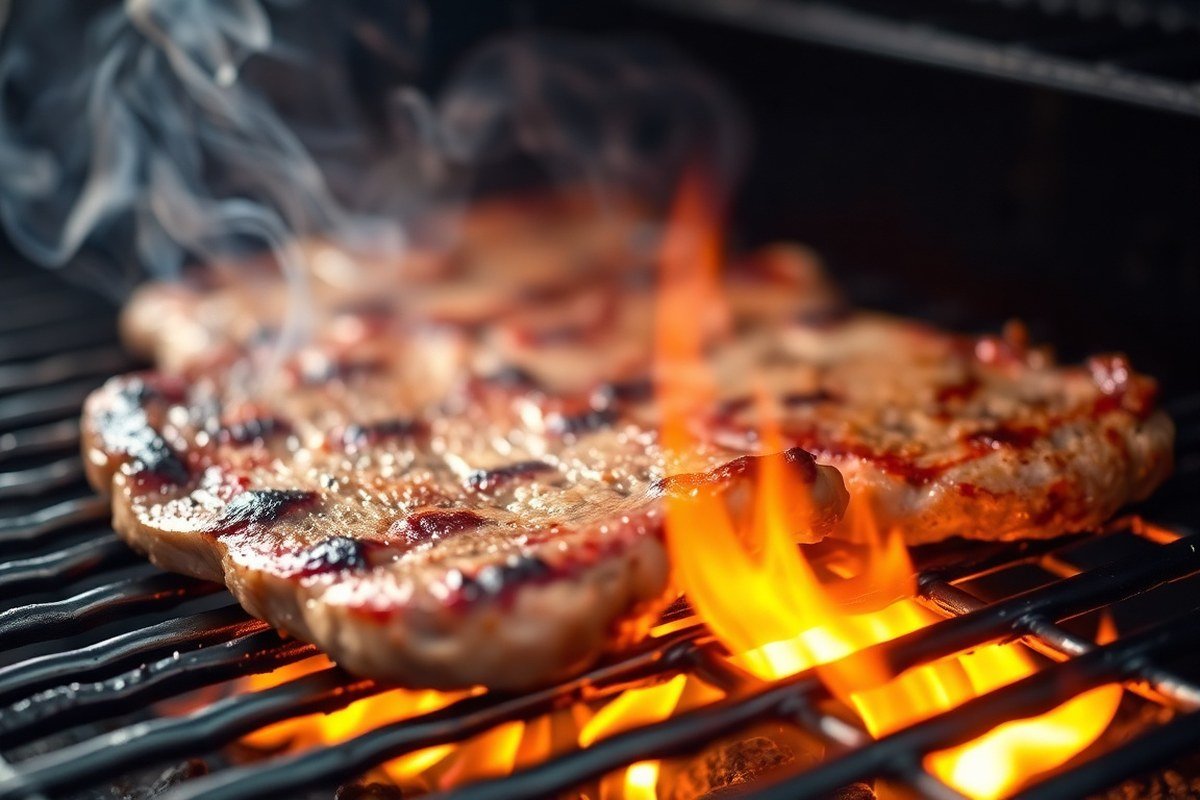
Heterocyclic amines (HCAs) and polycyclic aromatic hydrocarbons (PAHs) are carcinogens generated during grilling. HCAs mostly appear in muscle meats such as beef, pork, chicken, or fish exposed to intense heat, especially over direct flames. PAHs arise when dripping fat burns on hot coals or flames, producing smoke that carries these chemicals to the meat and can also affect vegetables cooked on the grill.
The temperature and method of cooking strongly influence the amount of HCAs and PAHs produced. Using a meat thermometer to cook meats to their safe internal temperature, 145°F for whole cuts of beef or pork, 165°F for poultry, without excessive charring helps limit chemical formation. Pre-cooking meats in the microwave or oven to reduce grilling time cuts down HCAs. Cutting off charred or burnt parts before eating also lowers exposure.
Marinating meats for at least 30 minutes, preferably with acidic ingredients like vinegar, helps reduce HCAs by up to 90%. Make sure to marinate in the refrigerator and never reuse uncooked marinade. Regularly turning meat while grilling prevents high heat buildup on one side, limiting carcinogen formation. Trimming excess fat reduces flare-ups and smoke that increase PAHs.
No official safe portion size or frequency exists for BBQ meats concerning HCA and PAH exposure. However, moderation is key since these compounds can damage DNA and are linked to increased cancer risk. Eating smaller portions less often, balancing with vegetables, and choosing lean cuts or seafood will minimize potential harm.
Common BBQ mistakes that increase health risks include cooking over excessively high flames, leaving meats in direct contact with charcoal for too long, allowing heavy charring, using fatty cuts without trimming, and skipping marination. Following these practices leads to safer grilling without sacrificing flavor.
Which BBQ Meats and Foods Are Healthiest to Choose?
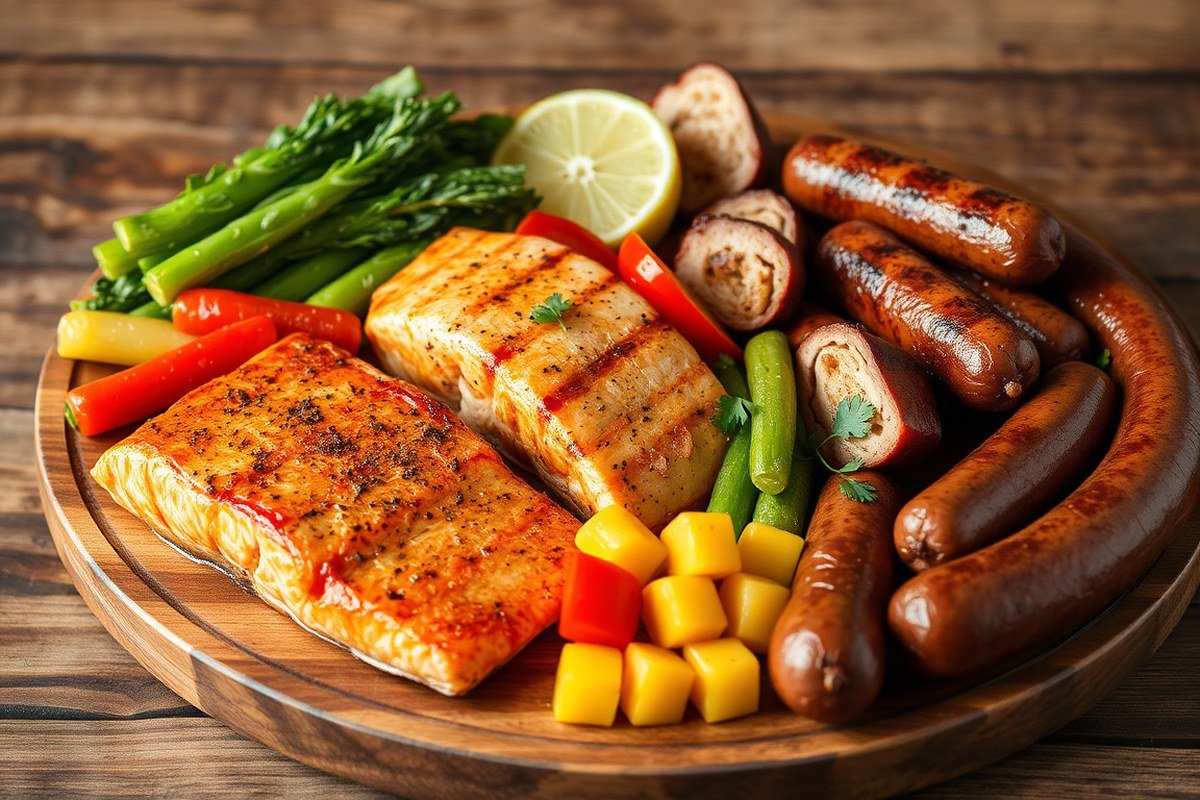
Choosing the healthiest BBQ meats involves balancing protein quality, fat content, and the risk of harmful compounds forming during cooking. Lean meats like chicken, turkey, and fish tend to be better options than red and processed meats. These lean options have less saturated fat and pose a lower risk of contributing to heart disease. Fish such as salmon and shrimp add the bonus of omega-3 fatty acids, which support heart health. Red meats like beef and pork contain higher levels of creatine, which can lead to increased formation of harmful heterocyclic amines (HCAs) when grilled at high temperatures. Processed meats, including sausages and hot dogs, also carry a higher risk because of nitrites that can form cancer-causing N-nitroso compounds (NOCs) during BBQ cooking or digestion, making them the least healthy BBQ meat choices according to the World Health Organization (WHO).
| Meat Type | Health Benefits | Health Risks | Recommended Cooking Tips |
|---|---|---|---|
| Chicken & Turkey (Lean Poultry) | Low saturated fat, high protein | Some HCA formation if overcooked | Cook over indirect heat; avoid charring |
| Fish & Seafood | Rich in omega-3 fats, low in saturated fat | Can dry out quickly; mild HCA risk | Cook quickly on moderate heat; keep moist |
| Red Meat (Beef, Pork) | Good iron source; high protein | Higher saturated fat; linked to colon cancer; more HCAs | Choose lean cuts; avoid high-heat charring |
| Processed Meats (Sausages, Hot Dogs) | Convenient, flavorful | Contains nitrites; classified by WHO as Group 1 carcinogens | Avoid or limit; cook at low temps; use sparingly |
Using indirect heat and flipping meat frequently helps reduce the formation of HCAs and NOCs. Marinating meats before grilling can also lower harmful compounds. Fish and seafood are excellent for a healthy BBQ diet when cooked properly, as they offer nutritious fats and protein without the high levels of saturated fat found in red and processed meats. Red meat, especially processed varieties, should be eaten with caution and not the BBQ staple. Opting for lean cuts and careful cooking methods allows you to enjoy BBQ while managing health risks.
Practical Tips to Make BBQ Healthier and Safer
Reducing carcinogen formation while grilling starts with controlling the heat. Keep your grill temperature below 300°F to avoid charring, which creates harmful chemicals. Use a gas grill if possible, since it offers better temperature control and cleaner burns than charcoal.
Marinating meat in acidic ingredients like vinegar or lemon juice can lower harmful compounds by up to 90%. Pre-cook thicker cuts in the microwave for a couple of minutes before grilling to reduce direct exposure to high heat. Wrapping food in foil prevents fat drippings from causing flare-ups that produce toxic compounds.
- Use drip trays to catch fat and reduce PAHs by 48, 89%
- Trim excess fat from meat to minimize drippings and flare-ups
- Marinate meats in vinegar or citrus-based marinades for 30 minutes to 1 hour
- Keep grill clean and well-maintained to prevent residue buildup
- Avoid cooking directly over open flames; use indirect heat zones
- Make homemade BBQ sauce to control sugar and sodium content
- Wrap fruits and vegetables in foil when grilling with meats
Grilling is generally healthier than frying because it lets excess fat drip away, reducing calories and unhealthy fats. However, stay alert for signs of unsafe grilling such as persistent flare-ups, excessively charred meat, or undercooked areas, which can indicate poor temperature control. Smoke from grills contains particulate matter, so avoid breathing it directly.
Environmental and Community Health Impacts of BBQ Cooking
Barbecue emissions significantly impact local air quality and contribute to greenhouse gas buildup. A 2012 study by the California Air Resources Board found that grilling during summer can raise pollutant levels across neighborhoods, affecting the respiratory health of nearby residents. The smoke from charcoal and wood grills releases particle matter and chemicals similar to urban pollution and cigarette smoke. These substances not only degrade air quality but can also settle on food or be inhaled while cooking.
The greenhouse gases released from a typical summer BBQ for four people are comparable to those from an 80-mile car trip. These emissions mainly come from burning charcoal and wood, which emit carbon dioxide and other pollutants. Switching to propane or natural gas grills can cut down these greenhouse gases substantially because these fuels burn cleaner. Electric grills offer another alternative, producing no direct combustion emissions, though their overall environmental impact depends on the electricity source.
You can reduce environmental effects by using lump charcoal made from sustainably harvested wood or grilling less frequently during high pollution days. Proper ventilation helps disperse smoke, reducing exposure for you and your neighbors. Considering smaller portions or combining plant-based foods into your BBQ menu also lessens demand for polluting meats, lowering overall emissions.
Balancing backyard fun and environmental care means planning ahead, choosing cleaner fuels, and moderating grill use. Although cleaner fuel options may cost more upfront, propane grills can run $100 to $300 higher than charcoal, the health and environmental benefits often justify the investment. Responsible grilling helps protect community air quality while allowing you to enjoy flavors and social time outdoors.
Step-by-Step Action Plan to Grill Healthier BBQ
Start making your BBQ meals healthier today by following these simple steps. Each phase helps reduce harmful compounds and boosts the nutritional value of your grilled food.
- Before You Start: Choose lean cuts like chicken breast or fish, plus plenty of vegetables. This lowers fat drippings and carcinogen formation during cooking.
- Day 1: Marinate your meat with herbs, lemon juice, or vinegar for at least 30 minutes. You’ll know it worked when the meat looks moist and fragrant before grilling.
- Day 2: Preheat your grill to medium heat instead of high. Meat cooks slower with less charring and fewer harmful compounds develop.
- Week 1: Use a grill with a drip pan or grill on foil to catch fat. Check after cooking to see if fat drippings are minimized.
- Week 2: Turn meat frequently, about every 1 to 2 minutes. Even browning without black burnt spots shows you’re reducing carcinogens.
- After 3 Weeks: Add grilled vegetables and whole grains as sides regularly instead of just meat. You’ll notice more variety and nutrients on your plate.
- Ongoing: Limit consumption of heavily charred or smoked foods to occasional enjoyment, balancing with healthier choices.
- Monthly: Clean your grill grates thoroughly after each use to prevent old residues that raise cancer risks.
Frequently Asked Questions
Is Barbecue Ok for Weight Loss?
Barbecue can support weight loss if you choose lean meats and watch portions. High-fat or heavily sauced BBQ can add calories and slow progress.
What’s the Unhealthiest Meat You Can Eat?
Processed meats like sausages and fatty cuts of red meat rank as less healthy choices due to added preservatives and saturated fat.
Is 2 Steaks a Week Healthy?
Eating 2 steaks weekly can fit a healthy diet if total red meat stays under 500 grams cooked weight, according to WCRF guidelines. Balance with veggies.
What Barbecue Meat Is Healthiest?
Fish such as salmon is the healthiest BBQ meat choice because of its omega-3 fats and protein. It’s a smart alternative to red meats.
Can Grilling Vegetables Preserve Their Nutrients?
Grilling vegetables retains most nutrients and adds flavor, making BBQ veggies a healthy choice alongside meats.
The Bottom Line
Barbecue can be part of a healthy diet when you choose lean meats, marinate properly, and control your cooking methods to reduce carcinogen formation. You can enjoy flavorful grilled meals without unnecessary health risks by sticking to these guidelines. Start by selecting your next BBQ ingredients carefully, focusing on fresh, lean, and mostly plant-based foods.